
Wonders of India | The Most Amazing Places in India | Travel Video 4K
244 Video Views·Jul 19, 2024
India. A land that has captured the hearts and minds of travellers for centuries.
From the soaring Himalayan peaks to the azure waters of the Indian Ocean,
this vast subcontinent hosts over a billion lives. Each visit unveils unique wonders.
From the vivid colours and dynamic chaos of its cities to the ancient pilgrimage sites shrouded
in mist. But above all, it is the warmth and vibrancy of the Indian people that truly enchant
and captivate all who visit this land. We'll see its true heart, which will help us understand
why protecting these treasures is so important for the benefit of future generations.
This is India. There's simply nowhere else like it on Earth.
This is the Statue of Unity. This monument is dedicated to Sardar Vallabhbhai Patel,
a pivotal leader in India's journey to independence and a staunch advocate for
national integration. Erected on the river island of Sadhubet, near Rajpipala, the statue is a
symbol of national unity, reflecting Patel's crucial role in uniting 562 princely states
to build the modern Republic of India. The most astounding aspect of the Statue of Unity
is its structural resilience. Engineers designed it to withstand very strong winds and significant
earthquakes. This durability not only ensures the statue will last for years, but also symbolises
Patel's unwavering strength during challenging times. Auroville, set in southern India,
began in 1968 with a dream of bringing people together. Founded by a spiritual leader known as
the Mother, Meera Alphassa, this experimental township was designed as a sanctuary where
individuals from around the world could live peacefully, no matter their cultural or ethnic
backgrounds. This construction is a Buddhist monastery, established in the late 16th century,
and it stands on a solitary rock in the middle of the Indus Valley.
One thing that makes Stakhnagampa stand out is its location. Built on a rock, it naturally
protected those inside from invaders, serving as a safe place during difficult times.
Inside, it is filled with Buddhist art, including ancient murals, statues and beautiful silk
paintings that each tell a story of Buddhist history and beliefs. Located in Kerala, the tea
plantations of Manur stretch out in vibrant shades of green. Thanks to the gentle climate,
this area has become a major hub for tea production globally.
The tale of Manur's tea started when British planters first explored these hills over a
century ago. The landscape changed when locals took over, bringing a personal touch to the
cultivation process. Now, these plantations are mostly run by women, who are experts in
gently plucking the finest tea leaves. The primary type of tea produced here is black tea,
renowned for its deep, rich flavor and inviting aroma that sets it apart from teas produced
elsewhere. Also, one might encounter a rare and remarkable creature here, the Nilgiri tar.
This mountain goat is in danger of going extinct. It lives in the nearby Nilgiri hills and often
explores the rough terrain surrounded by tea plants. Just south of Manur's tea gardens,
the Kerala backwaters offer a whole new scene. It's a sprawling area filled with canals, rivers,
lakes and lagoons. These backwaters feature five big lakes linked by various channels,
with small islands scattered throughout, all framed by tall palm trees.
Life here goes at the same slow pace as the flowing waters. Villagers paddle in small wooden
boats, catch fish for their meals, and kids play along the water's edge, making everything
feel peaceful. The waters themselves are bustling with life, home to lots of fish,
frogs and birds, all thriving in this tranquil spot. Gwalior Fort is perched on a rocky hill
in northern central India and looks out over the city of Gwalior, a place full of history.
This huge fort has experienced a lot over the years, from many battles to changes in leadership
and the rise and fall of different empires. The fort was built in the 8th century by a king
named Suraj Singh and has been ruled by many leaders since then.
Gadisa Lake This man-made marvel was built in 1367 AD
by Maharaja Ghazi Singh to quench the thirst of his people and his city.
As we step through the gateway, a beautiful scene appears. The calm waters of the lake
mirror the bright colors of the temples, pavilions, and steps alongside its edges.
These stunning structures display the craftsmanship of those who carve them
from the golden sandstone that earns Jaisalmer its nickname, the Golden City.
The Khajuraho temples were built from the 9th to the 11th century by the Chandela dynasty.
These temples, important to both Hindu and Jain religions, show the great skill of Indian
craftsmen and their deep spirituality during that era. The temples are famous for their
detailed sculptures that cover the walls. These images range from religious scenes
to daily life activities and even include erotic art. This art highlights a more open view
of human feelings compared to the generally strict views of ancient Indian society.
Originally, there were 85 temples, but today only 20 are still standing.
A really interesting fact about these temples is how they were built.
The builders used a special method to fit the stones together without any mortar or glue.
The Western Ghats, also known as the Sahyadi, are a big mountain range along India's southwestern
coast. These mountains are from ancient times, almost 150 million years old,
and they are significant to the era's weather and the diversity of plants and animals.
What is really interesting about the Ghats is how important they are historically.
In the past, trade lines went over these mountains so that people in the east and west could share
goods and ideas. People do not use these old roads very often anymore, but archaeologists
and historians still find them interesting because they hold stories about India's past.
Goa is the smallest state in India. It's got miles and miles of beautiful beaches
along the Arabian Sea. The sand is golden, the palm trees sway in the breeze,
and the water is so clear you can see right through it.
Lots of movie directors think Goa's beaches are perfect for filming.
You might have seen them in Bollywood movies or other films from around the world.
They really show off how stunning the coast is. And the water is full of all sorts of fascinating
creatures. Goa is known for its tasty crabs, but there are also tons of different fish swimming
around. If you're lucky, you might even spot some playful dolphins splashing near the shore.
Arambol Beach is located in the north of Goa and is especially popular for its striking
rocky outcrop that catches your eye along the shore. This rock formation doesn't just add a
beautiful visual twist, it also makes the beach more charming and a fun place to explore.
It's a popular place for catching some of Goa's most amazing sunsets,
where the sun drops behind the rock and lights up the sky in dazzling colors.
The Thar Desert, frequently referred to as the Great Indian Desert,
is known for its vast sandy areas and very little rain. This desert has been forming for millions
of years. Its ever-changing sands and rugged rocks were shaped by natural forces. Over time,
various plants and animals have adapted to live in this tough environment, creating a unique
and resilient ecosystem. From the endangered Great Indian Bustard to the quick Chinkara Gazelle,
the creatures of the desert have found ways to thrive despite the harsh conditions.
One of the most astonishing facts about the Thar Desert is that it is the world's most
densely populated desert, with more than 80 people living every square mile.
This demonstrates the Thar's people's extraordinary resilience and flexibility.
This is Badabar, a site steeped in history and architectural splendor.
The name Badabar translates to big garden that once thrived here, thanks to a dam and reservoir
built in the 16th century. Each monument is dedicated to a ruler's memory,
designed with a fusion of Islamic and Rajput architectural styles, showcasing intricate
carvings and ornate details. The construction of these cenotaphs was a tradition carried on
by successive leaders well into the 20th century, demonstrating a strong continuity
of cultural and familial reference. In 1754, as the once mighty Mughal Empire crumbled,
a remarkable monument emerged from its ashes. Saif Dajang, a powerful prime minister who had
dominated the empire's twilight years, had passed away. His son, driven by love and ambition,
petitioned the emperor for permission to honor his father with a grand tomb.
The emperor agreed, and so began the construction of Saif Dajang's tomb.
Perhaps the most astonishing fact about Saif Dajang's tomb is that it served as a film set
for a Hollywood movie. In 2013, the tomb was transformed into the backdrop for scenes in
the Steve Jobs biopic starring Ashton Kutcher. Spiti Valley is located high up in the Indian
Himalayas. It's a remote area that's mostly covered in snow most of the year, and can
only be reached during the summer via winding mountain roads. The landscape is mostly barren
and rocky, but you'll find ancient monasteries scattered throughout the valley. Some are over
a thousand years old. Ki Monastery, for example, sits on top of a hill and is important both as
a religious site and as a place where people learn about ancient Buddhist scriptures and teachings.
Traveling in Spiti Valley is challenging because of its dangerous roads,
considered some of the most treacherous in the world. Making a mistake while driving here can be
very risky. Just like Spiti Valley, with its rough landscapes and old monasteries,
the area also includes natural attractions like Jogini Waterfall. This waterfall is a
southwest of the valley, near the village of Vashist. Jogini Waterfall is considered a holy
place, where local stories speak of Joginis, or spirit women, residing there. The water
cascades from a great height, gathering in small pools before flowing into the Bayas River.
Unlike the bare surroundings of Spiti, the area around Jogini is full of greenery,
providing a refreshing spot that stands out in the dry mountain surroundings.
Muranga Fort is located high above the city of Jodhpur and stands as a powerful symbol
of Rajput architecture intelligence. Constructed in 1459 by Rao Jodha,
the fort is preserved through numerous battles and the relentless desert climate.
Its massive, sturdy walls, which once served as a robust defense, now welcome visitors from all
corners of the globe. The design of the fort tells a story of beauty and protection.
The external walls, built to keep invaders from entering, enclose interiors filled with
detailed carvings and spacious courtyards. This contrast between the tough exterior
and the elegant interior reflects the complex life of royalty, both secure and imposing.
Within Muranga, there are several palaces, each famous for the amazing art it contains.
Just a short walk from Muranga Fort, you'll find the Jaswant Thadar Temple. Built in 1899,
this temple is also known as the Taj Mahal of Marwar due to its exquisite white marble
construction. Constructed entirely from intricately carved sheets of white marble,
this cenotaph radiates an ethereal glow when illuminated by the sun. The marble is so finely
polished that it emits a warm, golden hue upon the sun's rays striking its surface.
The ruins of Hampi mirror the barren land of southern India. This former capital of the
Vijayanagara Empire flourished from the 14th to the 16th centuries,
but now its ruins are scattered over a stark terrain. The site contains the ruins of more
than 1,600 structures, including temples, palaces, market streets, aquatic structures
and fortifications. The decline of Hampi was fast and brutal, following the defeat
of the Vijayanagara rulers at the hands of invading forces in 1565.
Jal Mahal, the Water Palace. Since the late 18th century, this intriguing structure
appears to float on the calm waters of Mansagar Lake in Jaipur. The palace is a five-storey
building with four floors submerged underwater when the lake is at its peak depth. Jal Mahal
was not originally built to be submerged. Initially, the entire structure was visible,
as the lake bed had dried up due to a severe famine. Later, when a dam was constructed and
the lake filled with water, the lower floors of the palace submerged, creating the illusion of
a floating palace. Despite being partially underwater for centuries, the palace has
remained largely intact, with no significant water leaking through its thick stone walls.
The City Palace of Udaipur. This complex, with its series of palaces, courtyards and gardens,
was built over a period of nearly 400 years. The City Palace is a beauty of marble and granite,
constructed on the banks of Bikola Lake, not by a single ruler, but rather by 22 generations
of Sisodia Rajputs. Each one of them added their own unique touch to the palace,
resulting in a diverse but harmonious complex. One of the most intriguing aspects of the City
Palace is the Shish Mahal. The Palace of Mirrors within the complex is famed for its walls,
covered in mirrors and coloured glass tiles, creating a stunning light effect.
But the City Palace is only half of the story. The other half is Bikola Lake, a shimmering
expanse of artificial freshwater lake that stretches out before the palace. It is an
important source of water for the city, used for irrigation, drinking and other purposes.
Together, the City Palace and Lake Bikola are a big chapter in Udaipur's history.
Jatayu Earth Centre is home to the world's largest bird sculpture,
depicting the legendary eagle Jatayu, from the Hindu epic Ramayana.
In the Ramayana, Jatayu, a noble eagle, tried to rescue Sita from the demon king Ravana,
but was overpowered and mortally wounded, losing a wing in the struggle, in this very spot.
In a world where violence against women remains a pressing issue, the Jatayu Earth Centre is
dedicated to their safety and honour. High in the rain-drenched hills of Negalaya,
lies Nokalekai Falls. This waterfall is one of the tallest in India.
On the sandy shores of the Bay of Bengal, is the Mahalipuram Shore Temple. Carved from
granite blocks, hauled from a nearby quarry, it is one of the oldest stone temples in South India.
Unlike most temples of its time, it was constructed from the top down,
with each level added in succession, adorned with elaborate carvings that narrate tales
from Hindu mythology. Historically, this positioning was not merely aesthetic,
but also served a navigational purpose for sailors.
Close to the shore temple, is the group of monuments at Mahalipuram. This is a remarkable
collection of 7th and 8th century CE religious and architectural sites. This site features
ancient monuments that mark a significant period in the development of South Indian art.
Today, Mahalipuram is a protected heritage site,
a place where art meets spirituality, and history meets craftsmanship.
Pangong Tso is one of the highest saline water lakes in the world.
Stretching across international borders, approximately one-third of the lake
is located in India, while the rest extends into Tibetan China. The lake is an important
breeding ground for a variety of birds, including multiple migratory species.
The region surrounding Pangong is also home to the rare and elusive snow leopard.
This saline lake is a place of solitude with minimal human impact.
Its isolation and the extreme conditions of its location limit permanent human settlements,
but it has become a sought-after destination for those seeking peace of mind.
In total isolation, it is also Amber Fort. This grand fort was constructed strategically
upon the rugged hills of Rajasthan. The outside walls of the fort are very strong,
but the inside is delicate. There are beautifully painted scenes,
mirror work, and carved panels that tell stories without words.
One of the traditional experiences offered at Amber Fort is the elephant ride up the hill to
the main entrance, although this has become controversial in terms of animal welfare
concerns. The most intriguing thing about Amber Fort is its underground tunnel, which was once a
secret passage. This path was built as an escape route for the royal family in case of an attack,
ensuring a safe exit to the hills that surround these buildings.
The Jaipur Wall protects the fort and guards the old part of the city. Also known as the Great
Wall of India, it was built with strategic watchtowers and seven strong gates that
controlled access, each serving as a checkpoint and defensive barrier. Even as the city grew,
the wall remained a relic of the past, yet continued to be a vital part of Jaipur,
forming its present character. Humayun's tomb, commissioned by the
grieving Empress Begabagum in 1558, stands as a tribute to her beloved husband,
the second Mughal emperor, Humayun. Humayun's tomb was the first garden tomb
on the Indian subcontinent, introducing a style that would later inspire the iconic Taj Mahal.
Kumbhalgarh Fort is located in the mountains of the Aravalli Range in Rajasthan.
Built in the 15th century by Ranakumar, the fort boasts the second-longest wall in the world,
which stretches for 22 miles. Surprisingly, inside these vast walls, you'll find a quiet,
serene space, filled with over 360 temples, 300 of them ancient Jain and the others Hindu.
The Red Fort rises proudly in the bustling city of Delhi.
Constructed in 1648, it was initially called the Blessed Fort. Interestingly enough,
the fort's iconic red hue wasn't part of its original design.
When Shah Jahan built it, the fort gleamed in brilliant white marble. It was only later that
the British coated the walls in red, creating the distinctive look we recognize today.
It plays a central role in the annual Independence Day,
symbolizing the enduring spirit and unity of the nation.
The Yajanta and Ellora Caves are two incredible ancient sites, located in the state of Maharashtra.
The Yajanta Caves are famous for their beautifully painted cave walls and ceilings.
Using natural colors, artists created detailed scenes over 2,000 years ago,
depicting the life of Buddha and his past lives according to Buddhist teachings.
At the Ellora Caves, we see an amazing variety of carved stone temples and monasteries.
Some are Hindu, some Buddhist, and some Jain.
One of the attractions is the massive Kailasa Temple, an enormously impressive structure
that was carefully carved out of a simple piece of rock.
It took removing 200,000 tons of rock to create this intricate temple.
In the sprawling city of New Delhi, we see Sweminarayan Akshardham. This complex,
completed in 2005, serves as a vivid showcase of traditional Hindu and Indian architectural
principles carved in sandstone and marble. Perhaps the most astonishing fact about Akshardham
is that no steel was used in its construction. Crafted by 11,000 artisans and volunteers,
the temple's intricacy reveals stories from ancient scriptures resplendent with
over 20,000 statues, figures, and floral motifs that adorn its structure.
In the northeast region of India lies a natural wonder that has captivated the hearts and minds
of people for generations. Loktak Lake is the largest freshwater lake in the region.
This lake is distinguished by its phumdis, which are heterogeneous masses of vegetation,
soil, and organic matter at various stages of decomposition floating over it.
These form miniature islands, some strong enough to support small huts.
In addition, Loktak Lake is also home to the world's only floating national park,
Kebol Lamjau National Park. This park serves as the last natural habitat for the endangered
sangai deer, also known as the brown antler deer or the dancing deer of Manipur.
The Golden Temple is a special place in the city of Amritsar. It has four entrances,
which means anyone can enter, no matter their religion or background.
This shows the Sikh beliefs of equality and welcoming all people.
The temple's design blends Hindu and Islamic styles. It's covered in real gold, which gives
it a shining golden appearance. Inside the Golden Temple is the largest free kitchen in the world,
called the langar. This kitchen serves free meals to tens of thousands of people every day.
It doesn't matter what race, religion, or how wealthy or poor someone is. The langar meals
are for everyone. This demonstrates the Sikh values of service and kindness to all.
The Meenakshi Amman Temple, dedicated to the goddess Meenakshi and her consort,
Lord Shiva, stands as one of the most iconic landmarks in the colorful city of Madhuri.
Every year, this temple attracts millions of visitors, drawn not just by its spiritual
significance but by its stunning Dravidian architecture. The towers or gopurams of the
Meenakshi Amman Temple are marvels of architecture and an integral part of its iconic skyline.
These gopurams are large pyramidal towers that are covered in stucco figures
and they mark the entrance to the temple complex. The Gateway to India was constructed as a symbol
of triumph and colonial prestige. It was made to commemorate the visit of King George V
and Queen Mary to India in 1911. It was meant to signify the permanence of the British presence
in India but it became a symbol of freedom. Along the waterfront of Mumbai, the Gateway
combines elements of Hindu and Muslim architectural styles to show the unity of the Indian empire
under British rule. The Gateway of India may have been built by the British but it is now part of
Mumbai and it will forever be a source of hope and inspiration for generations to come.
The famous Hawa Mahal is an iconic structure of Jaipur, representing the ingenious fusion
of Rajput and Islamic architectural styles. The primary purpose of the palace was to allow royal
women to observe everyday lifestyles and festivals celebrated in the street below without being seen.
The facade, made from red and pink sandstone, resembles the honeycomb of a beehive and
features 953 small windows, catching the eye of all who pass by. In addition, the clever design
of the windows allowed the palace to remain cool during the hot Rajasthan summers, creating a
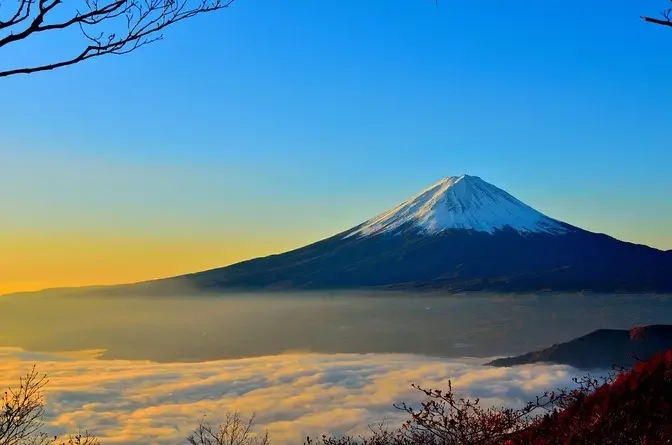
air-conditioning system that gave the palace its name, Palace of Winds.
Powerful winds and towering peaks are characteristics of another incredible wonder,
a natural one, the Indian Himalayas. This massive range stretches across
five states in northern India. Many of its peaks, rivers and forests are considered sacred in
This sanctity makes the Himalayas a destination for millions of pilgrims each year.
The Indian Himalayas are still growing. Each year, due to the relentless tectonic activity
where plates collide, the range rises by about an inch. This means that the highest peaks we
might not hold their records forever, as they are constantly changing,
shaped by forces beyond human control. Jama Masjid is among the largest mosques in India,
commissioned by Shah Jahan, the same emperor who built the Taj Mahal.
Completed in 1656, it is a vital place for Muslims to worship in Delhi.
People come from all over the country, especially during the holy month of Ramadan
and Eid, which are two major celebrations for Muslims.
The Mysore Palace was built on the ruins of its wooden predecessor,
which was destroyed by fire during a wedding in 1896.
Every year, during the Dasara festival, Mysore Palace is illuminated by nearly
a hundred thousand light bulbs, turning it into a glowing symbol of celebration.
Taj Mahal, often described as a teardrop on the cheek of time,
is recognized worldwide as a symbol of love and loss.
Located in Agra, the unique creation was ordered by the Mughal emperor Shah Jahan
as a tribute to his beloved wife, who tragically passed away while giving birth.
Built primarily from white marble that reflects shades of pink at dawn and golden at sunset,
the monument features intricate inlay work of precious and semi-precious stones.
According to a popular legend, the emperor wanted to ensure no one would recreate the
Taj Mahal's beauty. To ensure that such a masterpiece remained unique, he ordered that
the principal architects and craftsmen face severe consequences, preventing them from
recreating a similar building once it was completed. The India Gate stands as a touching
symbol of the sacrifices made by the brave soldiers who fought for their country.
This war memorial in New Delhi matches the architectural style of the triumphal
archers found in the Western world, such as the Arc de Triomphe in Paris.
Originally called the All India War Memorial, it was renamed after India gained independence in 1947.
The Chhatrapati Shivaji Terminus, originally called Victoria Terminus,
is a historic train station in Mumbai and a UNESCO World Heritage Site.
It's a beautiful example of how British and Indian architectural styles come together.
At the entrance, you'll find two columns. One is topped with a lion,
representing Britain, and the other with a tiger, symbolizing India.
When the station first opened its doors in 1887, it was the priciest building in Mumbai,
costing what would now be about $26 million. That investment paid off, making Chhatrapati
Shivaji Terminus a beacon of Mumbai's commercial success under British rule and marking it as
India's first railway station. This is India. A land full of natural wonders and incredible
architectural marvels. Now, if you have more insights or fascinating stories about India,
please share them in the comments. I'd love to read them.