
Cultural Cooking with Locals
5 Video Views·Jul 15, 2024
Let's spend a day in unique kitchens. Cultural cooking with locals is an immersive way to
experience the heart and soul of a destination. By stepping into the kitchens of local families,
travelers can unlock the secrets of regional cuisine and engage deeply with the culture.
This experience transcends mere culinary lessons. It becomes a meaningful exchange of traditions,
stories, and techniques that enriches both the visitor and the host. Let's explore what a day
in the kitchen might look like in various parts of the world, from Italy to Thailand, Mexico,
and Morocco. In Italy, food is not just sustenance. It's an art form and a crucial
aspect of social life. Imagine spending a day in the picturesque town of Bologna,
known as the gastronomic capital of Italy. Your host, Signora Maria, greets you with a
warm smile and a welcoming embrace. Her kitchen is a blend of rustic charm and modern functionality
with hanging copper pots and a robust wooden table at its center. The day begins with a trip
to the local market where Maria introduces you to her favorite vendors. The air is fragrant with
the scent of fresh basil, ripe tomatoes, and aged parmesan. You learn to select the best produce,
understanding that quality ingredients are the foundation of Italian cuisine.
Back in the kitchen, Maria teaches you the delicate art of making fresh pasta from scratch.
You mix flour and eggs, kneading the dough until it reaches the perfect consistency.
Rolling out the dough, you cut it into thin ribbons for tagliatelle, which will later be
paired with a rich bolognese sauce, simmered with love and patience. As you cook, Maria shares
stories of her childhood, her grandmother's recipes, and the importance of family meals.
By the time you sit down to eat, you have not only learned to cook a traditional Italian dish,
but also gained insight into the cultural significance of food in Italy. Next, we travel
to Thailand, a country renowned for its vibrant and aromatic cuisine. In the bustling city of
Chiang Mai, you'll meet Somtai, a local chef who invites you to his home. The day begins with a
visit to a lively morning market, where the colors and scents are overwhelming. Somtai guides
you through the maze of stalls, pointing out exotic ingredients like kaffir lime leaves,
galangal, and bird's eye chilies. He explains the essential balance of sweet, sour, salty,
and spicy flavors that define Thai cooking. Back in his kitchen, you start by preparing a classic
Thai dish, green curry. You pound fresh herbs and spices in a mortar and pestle, releasing their
intense aromas. As you cook, Somtai shares his knowledge of Thai culinary traditions,
from the significance of street food to the etiquette of Thai dining. You also learn about
the spiritual aspect of Thai cooking, such as offering food to the spirits before meals.
The experience is a sensory journey culminating in a delicious meal that you share with Somtai
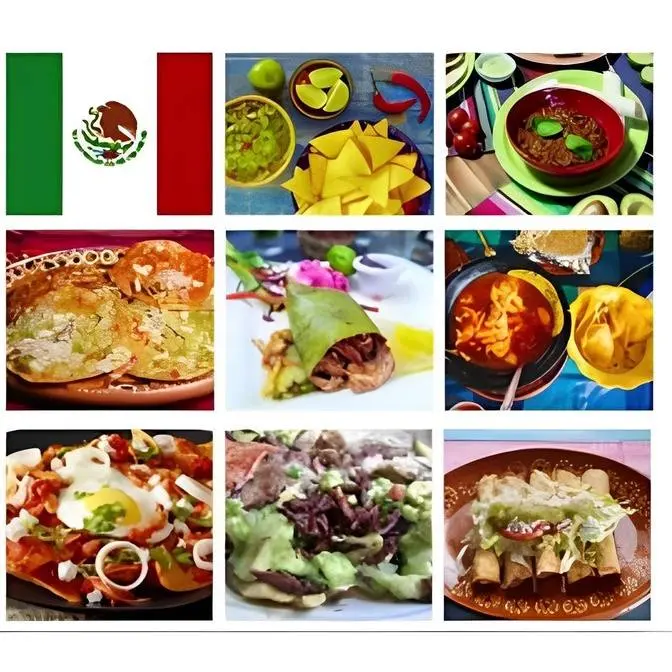
and his family, fostering a connection that goes beyond the culinary. Heading to Mexico,
you find yourself in Oaxaca, a city celebrated for its rich culinary heritage. Your host,
Doña Rosa, is an expert in traditional Oaxacan cuisine. The day begins with a trip to the
Mercado de Benito Juarez, where Doña Rosa introduces you to local specialties like
chapulines, grasshoppers, fresh cheese, and an array of dried chilies. She explains the cultural
significance of each ingredient, and how they have been used for generations. In Doña Rosa's
kitchen, you learn to make mole, a complex and flavorful sauce that is a cornerstone of Oaxacan
cuisine. The process is intricate, involving the toasting and grinding of ingredients like chocolate,
almonds, and various chilies. As you cook, Doña Rosa tells you about the history of mole,
its roots in indigenous and Spanish culinary traditions, and its role in celebrations and
rituals. The day ends with a feast, where you savor the fruits of your labor and gain a deep
appreciation for the cultural richness of Mexican cuisine. Finally, we journey to Morocco, where the
cuisine is a tapestry of Arab, Berber, and French influences. In the vibrant city of Marrakech,
you meet Fatima, who welcomes you into her riad with warm hospitality. The day starts with a visit
to a bustling souk, where Fatima helps you navigate the stalls filled with spices, dried fruits, and
fresh produce. She explains the importance of spices in Moroccan cooking, from cumin to saffron.
In Fatima's kitchen, you learn to prepare a traditional tagine, a slow-cooked stew named
after the earthenware pot in which it is cooked. As you layer the ingredients, Fatima shares stories
of her family's culinary traditions and the role of food in Moroccan hospitality. You also learn
to make fresh mint tea, a symbol of Moroccan culture. By the end of the day, you have not only
created a delicious meal, but also experienced the warmth and generosity of Moroccan culture.
Cultural cooking with locals offers an unparalleled way to connect with a destination.
It allows travelers to step beyond the typical tourist experience and engage with the true
essence of a place. Through these intimate culinary exchanges, one gains not only new
cooking skills, but also a profound understanding and appreciation of different cultures.
Each city and country offers unique flavors and stories,
making every culinary journey a memorable and enriching adventure.
Bon Appetit! If you enjoyed this video, kindly like, share, and subscribe.