
GREATEST 20 Natural Wonders of the World - MUST SEE
294 Video Views·Jun 5, 2024
Welcome to the fascinating world of natural wonders.
From breathtaking landscapes to awe-inspiring phenomena,
our planet is home to some of the most incredible natural marvels.
These wonders have captivated the hearts and minds of people throughout history,
reminding us of the sheer power and beauty of nature.
Today, we embark on a journey to explore the top 20 natural wonders of the world.
So sit back, relax, and let your imagination take flight as we
delve into the wonders that Mother Nature has bestowed upon us.
20. The Twelve Apostles
The Twelve Apostles are a collection of limestone stacks found on the scenic Great Ocean Road in
Victoria, Australia. They rise majestically from the Southern Ocean. Despite their name,
there are currently eight apostles remaining, as erosion has gradually shaped and diminished
the formations over time. Standing tall and isolated, these natural wonders create a
striking contrast against the blue waters and provide a captivating sight for visitors.
The rugged cliffs and ever-changing colors of the surrounding coastline further enhance the
beauty of the Twelve Apostles, making them a popular destination for photographers,
nature enthusiasts, and those seeking to witness the power of nature at work.
As the sun sets, the golden hues cast a warm glow on the apostles,
creating a magical atmosphere that leaves a lasting impression.
19. The Cliffs of Maher
These cliffs on the western coast of Ireland are a magnificent natural wonder and one of
the country's most iconic landmarks. Standing tall and majestic, these dramatic cliffs stretch for
about eight kilometers along the Atlantic Ocean, reaching heights of up to 214 meters at their
highest point. The cliffs offer breathtaking panoramic views of the rugged coastline,
where crashing waves relentlessly sculpt the rocks below. The sheer cliffs are composed of
layers of sedimentary rock, displaying a kaleidoscope of colors that change with the
shifting sunlight. Visitors can explore the designated walking trails that wind along the
cliff edge, providing an opportunity to witness the awe-inspiring beauty of the cliffs and the
biodiversity that thrives in this coastal environment. The cliffs of Maher truly capture
the raw power and natural splendor of Ireland's rugged western coastline.
18. The Dolomites
The Dolomites in northeastern Italy are a magnificent mountain range that captivate
visitors with their majestic peaks, rugged cliffs, and picturesque landscapes. Designated
as a UNESCO World Heritage Site, the Dolomites boast unique geological formations.
including dramatic pinnacles and spires, which are bathed in a warm, rosy glow during sunrise
and sunset. The region is renowned for its outdoor recreational opportunities,
offering thrilling experiences such as hiking, rock climbing, and skiing. Tranquil alpine meadows,
crystal-clear lakes, and charming mountain villages dot the valleys, providing a tranquil
escape and a glimpse into the rich local culture. The Dolomites' awe-inspiring beauty and
breathtaking vistas make it a beloved destination for nature enthusiasts, photographers, and
adventurers seeking to immerse themselves in the splendor of this natural wonder.
17. The Sundarbans
The Sundarbans is a remarkable natural wonder located in the coastal region of Bangladesh
and India. It is the largest mangrove forest in the world, spanning approximately 10,000
km2. The Sundarbans is a UNESCO World Heritage Site and is known for its exceptional biodiversity
and unique ecosystem. The name, Sundarbans, translates to, beautiful forest, in the Bengali
language, and it truly lives up to its name. The forest is a complex network of interconnecting
waterways, mudflats, and mangrove islands. It is a haven for diverse flora and fauna,
including the Bengal tiger, estuarine crocodile, gangetic dolphin, and numerous species of birds,
fish, and reptiles. The Sundarbans is renowned for its dense mangrove forests,
characterized by tall, intertwined roots that provide a vital habitat for a variety of species.
The area is also influenced by the tides, creating a unique ecosystem where fresh
water and saltwater mingle. 16. The Maldives
Immerse yourself in the tropical paradise of the Maldives, an archipelago nation situated
in the Indian Ocean. This paradise is renowned for its breathtaking beauty and idyllic island
getaways. Comprised of 26 coral atolls and over 1,000 pristine islands, the Maldives is a dream
destination for those seeking white sandy beaches, crystal-clear turquoise waters,
and vibrant coral reefs teeming with marine life. Each island offers a secluded and tranquil
retreat, with luxurious resorts that blend seamlessly into the natural surroundings.
Visitors can indulge in a range of activities, including snorkeling,
diving, and water sports, or simply relax on the beach and soak up the year-round sunshine.
The Maldives is a true haven of natural wonders where palm-fringed islands,
azure lagoons, and stunning sunsets combine to create a picture-perfect tropical paradise.
15. The Namib Desert
Explore the haunting beauty of the Namib Desert, situated along the southwestern coast of Africa.
This desert is one of the oldest and driest deserts in the world.
Spanning an area of approximately 80,000 square kilometers, the Namib Desert is a vast and
captivating landscape of shifting sand dunes, rocky outcrops, and barren plains. Its unique
combination of desert and coastal ecosystems creates a starkly beautiful environment.
The desert is renowned for its towering sand dunes, some of which reach heights of over 300 meters,
showcasing rich hues of red and orange that change with the angle of the sun.
The Namib Desert is also home to remarkable flora and fauna, including desert-adapted wildlife such
as oryx, ostriches, and endemic plants that have evolved to survive in this harsh environment.
Exploring the Namib Desert offers a serene and otherworldly experience,
where one can witness the incredible power of nature and appreciate the
sheer vastness and beauty of an arid wilderness.
14. Uluru
Journey to the heart of Australia, where we encounter the magnificent Uluru,
also known as Ayers Rock, is a sacred and iconic natural wonder located in Australia's
Rising abruptly from the flat desert landscape of the Red Centre, Uluru is a massive sandstone
monolith that stands approximately 348 meters tall. Its sheer size, imposing presence,
and unique reddish-orange hue make it an awe-inspiring sight.
Considered sacred by the local indigenous Anangu people, Uluru holds great cultural
and spiritual significance. The rock formation is adorned with ancient aboriginal rock art and
features many sacred sites, caves, and waterholes that are of immense cultural importance.
Visitors can explore the base of Uluru on foot, taking in the intricate patterns and textures
of the rock, or experience the captivating sight of Uluru changing colors during sunrise and sunset,
when it seems to glow with a warm and vibrant intensity. Uluru's significance,
beauty, and cultural heritage have made it a UNESCO World Heritage Site and a must-visit
destination for travelers seeking to connect with the land, history, and spirituality of
Australia's indigenous peoples. 13. The Geiriner Fjord
This fjord in western Norway is a UNESCO World Heritage Site and a breathtaking natural wonder.
It is renowned for its striking landscapes, encompassing towering cliffs,
cascading waterfalls, and serene turquoise waters. The fjord is surrounded by steep
mountains that reach heights of over 1,000 meters and are adorned with lush green vegetation,
creating a truly dramatic and picturesque setting. The most famous waterfall in Geiriner Fjord is
the Seven Sisters, a series of seven distinct falls that cascade down the mountainside.
The combination of the awe-inspiring scenery and the tranquil ambience makes Geiriner Fjord
a true paradise for nature lovers and a must-visit destination for those seeking
to witness the beauty of a fjord. 12. Vatnajökull Glacier
Located in southeastern Iceland, is a captivating natural wonder and Europe's largest glacier.
Covering an area of approximately 8,100 square kilometers, it is an awe-inspiring expanse of
ice that stretches as far as the eye can see. Vatnajökull is known for its stunning ice
formations, including ice caves and ice tunnels, which constantly evolve and change due to the
glacier's dynamic nature. The glacier is also home to numerous outlet glaciers,
where mesmerizing blue ice formations can be observed. Vatnajökull's glacial rivers flow
through scenic valleys, creating a picturesque landscape that captivates visitors with its raw
beauty and tranquility. Exploring Vatnajökull Glacier offers a unique opportunity to witness
the powerful forces of nature and immerse oneself in a truly remarkable icy world.
11. Angels Falls Angel Falls, located in the Canaima National
Park in Venezuela, is the highest waterfall in the world, cascading from the summit of
Ollantupui, a tabletop mountain, in a breathtaking display of natural beauty.
With a height of approximately 979 meters, Angel Falls is a true wonder of nature.
The waterfall derives its name from American aviator Jimmy Angel,
who was the first to fly over and publicize its existence in the 1930s.
Angel Falls is formed by the waters of the Churin River, which plunge off the cliff and create a
mesmerizing mist and spray that drifts through the surrounding lush rainforest. Accessing Angel
Falls is an adventure in itself, requiring a journey by boat along the Correo and Churin Rivers,
followed by a hike through the dense jungle. The sight of the cascading water against the
backdrop of the towering tepid tabletop mountains and the surrounding greenery is a sight to behold.
10. The Serengeti Migration The Serengeti Migration is a spectacular
natural event that takes place in the Serengeti ecosystem, spanning across Tanzania and Kenya
in East Africa. It is considered one of the greatest wildlife spectacles on Earth.
Each year, over a million wildebeest, along with hundreds of thousands of zebras and gazelles,
embark on a challenging journey in search of fresh grazing lands and water.
This epic migration is driven by the seasonal patterns of rainfall and grass growth.
The animals traverse vast distances, crossing treacherous rivers and facing predators along
the way. Witnessing the Serengeti Migration is a breathtaking experience. It showcases the
resilience, instinct, and determination of these animals as they navigate the challenging terrain
in their quest for survival. The sight of countless hooves pounding the earth, dust clouds rising,
and the echoing sounds of their movements create an unforgettable spectacle that
draws nature enthusiasts and wildlife photographers from around the world.
9. The Dasht-e Kavir Also known as the Great Salt Desert,
it is a vast desert located in the central plateau of Iran.
Covering an area of approximately 77,000 square kilometers,
it is one of the largest deserts in the world. The landscape of Dasht-e Kavir is characterized
by vast stretches of arid, sandy terrain, salt marshes, and mudflats. It is a harsh
and inhospitable environment, with scorching temperatures during the day and frigid temperatures
at night. The desert is known for its extreme dryness and lack of vegetation, with only a few
hardy desert plants and shrubs able to survive. Despite its challenging conditions, Dasht-e Kavir
is home to a variety of wildlife, including gazelles, onagers, and several species of
reptiles and insects that have adapted to the desert environment. The desert's unique geological
formations, including sand dunes and salt domes, create a mesmerizing and ever-changing landscape.
The vast expanse of golden sand and the silence of the desert offer a sense of tranquility and
isolation, attracting adventurous travelers and nature enthusiasts.
The Himalayas, often referred to as the roof of the world, is a majestic mountain range that spans
across several countries in Asia, including Nepal, India, Bhutan, and Tibet. Renowned as the highest
mountain range on earth, it is home to the world's highest peak, Mount Everest, standing at a
The Himalayas showcase a breathtaking panorama of snow-capped peaks,
deep valleys, and vast glaciers. Its rugged terrain is dotted with serene alpine lakes,
lush forests, and remote villages, offering a glimpse into the unique cultures and traditions
of the people who call this region home. The Himalayas attract adventurers, mountaineers,
and spiritual seekers alike. Drawn by the region's natural beauty, spiritual significance,
and the sense of awe and wonder it inspires.
The Great Blue Hole is a stunning natural wonder located off the coast of Belize in the Caribbean
Sea. It is a large, circular underwater sinkhole that measures approximately 300 meters across
and reaches a depth of 124 meters. The Great Blue Hole is famous for its deep blue color,
which contrasts beautifully with the surrounding turquoise waters. It is considered one of the
world's top diving destinations, attracting adventurers and divers from around the globe.
Descending into the depths of the Great Blue Hole reveals an incredible underwater world
filled with intricate limestone formations, stalactites, and an array of marine life,
including tropical fish, reef sharks, and rays. The clear waters offer excellent visibility,
allowing divers to fully appreciate the breathtaking beauty of this natural phenomenon.
Above the water, the Great Blue Hole is surrounded by the picturesque Lighthouse Reef Atoll,
with its vibrant coral reefs and small caves. The remote location and untouched beauty of
the area make it a paradise for divers, snorkelers, and nature enthusiasts.
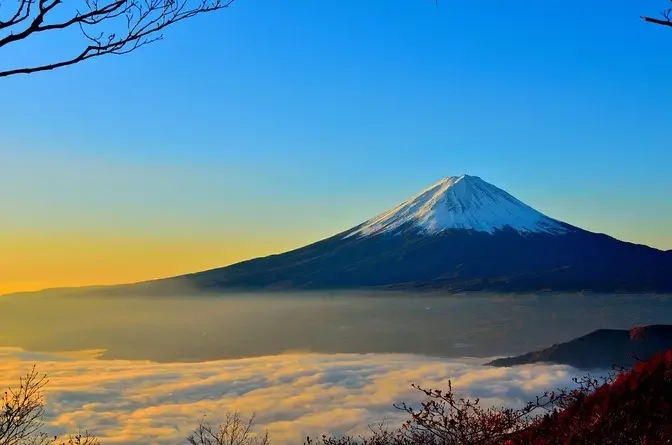
Mount Fuji, also known as Fuji-San, is an iconic stratovolcano located on the Honshu Island of
Japan. Standing at an impressive height of 3,776 meters, it is the highest mountain in Japan and
holds a significant place in Japanese culture and history. With its near-perfect conical shape and
snow-capped peak, Mount Fuji is a breathtaking sight and has been revered as a sacred mountain
for centuries. It is a UNESCO World Heritage Site and attracts numerous visitors, hikers,
and climbers from around the world. During the summer months, Mount Fuji becomes a popular
destination for climbers who embark on a challenging but rewarding ascent to its summit.
The climbing season typically runs from July to early September when the weather conditions are
relatively stable. The climb offers stunning panoramic views of the surrounding landscapes
and the opportunity to witness a breathtaking sunrise from the top.
Located about 100 kilometers southwest of Tokyo, Mount Fuji is easily accessible from the capital
city, making it a popular day trip or weekend getaway for locals and tourists alike. Its majestic
presence, cultural significance, and awe-inspiring vistas make Mount Fuji a must-visit destination
for nature enthusiasts, adventurers, and those seeking a glimpse into Japan's rich heritage.
5. Yellowstone. Located primarily in the U.S. state of Wyoming,
is widely regarded as the first national park in the world. Spanning over 8,900 square kilometers,
this natural wonderland is home to a mesmerizing array of geothermal features,
including the famous Old Faithful geyser. The park's diverse ecosystems encompass dramatic
canyons, alpine rivers, lush forests, and vast meadows teeming with wildlife such as grizzly
bears, wolves, and herds of bison. Yellowstone's remarkable geothermal activity, including
bubbling hot springs and colorful geysers, add to its unique charm and make it a haven for nature
lovers and outdoor enthusiasts. With its awe-inspiring landscapes and extraordinary biodiversity,
Yellowstone National Park continues to captivate visitors with its natural wonders.
4. The Amazon Rainforest. Ventured deep into the heart of the Amazon rainforest,
often referred to as the lungs of the earth, is the largest tropical rainforest in the world,
spanning across several South American countries, including Brazil, Peru, Colombia, and Ecuador.
It covers an area of approximately 5.5 million square kilometers and is home to an astounding
array of plant and animal species. The Amazon rainforest is characterized by its dense,
lush vegetation, towering canopy trees, and a network of rivers and tributaries.
It is estimated to be home to around 400 billion individual trees and contains one-tenth of the
world's known species, including jaguars, sloths, macaws, and pink river dolphins.
The forest is also inhabited by numerous indigenous communities who have lived in
harmony with the environment for centuries. This biodiverse ecosystem plays a crucial role
in regulating the planet's climate, absorbing and storing vast amounts of carbon dioxide while
producing oxygen. It is also a source of medicinal plants, essential resources,
and provides livelihoods for many local communities. Exploring the Amazon rainforest
offers a glimpse into a world of unparalleled biodiversity and natural beauty. Guided tours,
canopy walks, and river cruises provide opportunities to witness the incredible
diversity of flora and fauna, experience the vibrant sounds of the jungle, and gain a deeper
understanding of the delicate balance of this extraordinary ecosystem.
3. The Great Barrier Reef. Located off the northeastern coast of Australia,
is the largest coral reef system in the world and a UNESCO World Heritage Site.
Spanning over 2,300 kilometers, this natural wonder is a vibrant underwater paradise teeming
with an astonishing array of marine life. Its colorful coral formations, home to countless
species of fish, sea turtles, and other marine creatures, create a kaleidoscope of beauty beneath
the clear turquoise waters. Snorkelers and divers from around the globe flock to this extraordinary
ecosystem to witness its unparalleled biodiversity and immerse themselves in
its breathtaking beauty. The Great Barrier Reef is not only a natural wonder but also
a precious ecosystem that serves as a reminder of the delicate balance of life in our oceans.
2. The Grand Canyon. The Grand Canyon, located in Arizona, USA,
is one of the most awe-inspiring natural wonders on Earth. Carved by the Colorado River over
millions of years, it stretches for approximately 446 kilometers and reaches depths of over one and
a half kilometers. The sheer size and scale of the Grand Canyon are breathtaking. Its colorful,
layered rock formations, carved cliffs, and deep gorges create a mesmerizing panorama that
showcases millions of years of geological history. Visitors can explore the canyon's
vast expanse through numerous hiking trails, viewpoints, and scenic drives.
The Grand Canyon offers a variety of ecosystems and habitats, supporting diverse plant and animal
life, including bighorn sheep, mule deer, and a rich variety of bird species. At sunrise and sunset,
the canyon's cliffs and mesas are bathed in a warm, golden glow, adding to the beauty and majesty
of this natural wonder. The Grand Canyon's grandeur and timeless beauty make it a must-visit destination
for nature lovers, adventurers, and those seeking a profound connection with the Earth's
geological history. And now for our number one most amazing natural wonder. The Northern and
Southern Lights. Also known as the Aurora Borealis in the Northern Hemisphere and the Aurora Australis
in the Southern Hemisphere, are captivating natural light displays that occur in the polar regions of
the Earth. These phenomena are created by interactions between charged particles from
the sun and the Earth's magnetic field. The Northern Lights predominantly occur in countries
like Norway, Canada, and Iceland. They manifest as vibrant curtains, arcs, or swirling patterns of
green, pink, purple, and sometimes red lights dancing across the night sky. Similarly, the
Southern Lights illuminate the sky in the Southern Hemisphere, primarily visible in Antarctica,
New Zealand, and southern parts of Australia and South America.
They exhibit similar colors and patterns as their northern counterpart, creating a mesmerizing
spectacle. Both the Northern and Southern Lights occur during clear, dark nights away from light
pollution. The intensity and visibility of these phenomena vary depending on solar activity,
atmospheric conditions, and geomagnetic activity. Witnessing the Northern or Southern Lights is an
enchanting experience. The ethereal glow and dynamic movements of the lights against the
backdrop of a starry sky evoke a sense of wonder and awe. These celestial displays have captivated
people for centuries, and they continue to inspire travelers and photographers who venture to the
polar regions in search of nature's own magical light show and offer a surreal and mesmerizing
spectacle, leaving spectators in awe of the wonders of our planet and the vastness of the universe.