
▶️Inside Austrian KTM Factory 2023 🏍️: Manufacturing plant & Engine assembly line [Factory Tour]
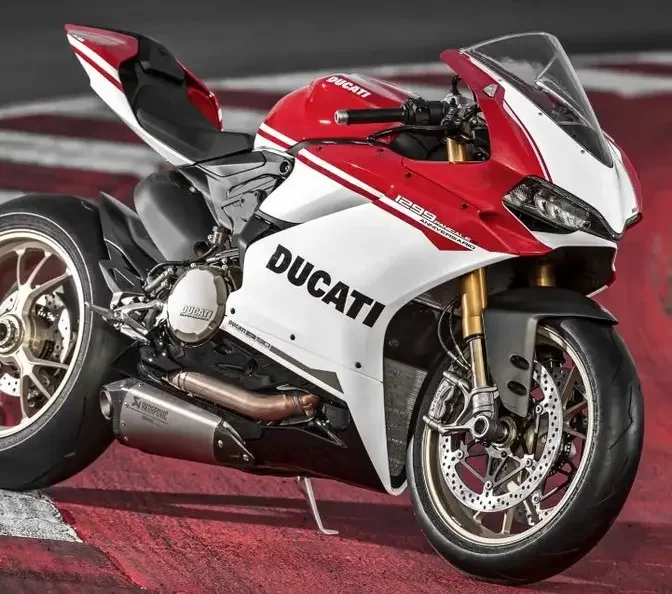
Our first stop on this journey is material procurement.
They select eco-friendly materials like lightweight alloys and advanced composites
to ensure optimal performance, durability and safety.
Now let's explore frame construction where KTM showcases its innovative approach.
KTM was one of the pioneers in adopting hydroforming technology for their frames.
This technique allows for the creation of complex shapes and optimized strength
resulting in lightweight yet sturdy frames.
With advanced engineering techniques and precision welding,
each frame meets the highest quality standards, enhancing handling and stability.
This dedication to pushing the boundaries of motorcycle design sets KTM apart.
Moving on, we arrive at engine manufacturing.
KTM's cutting-edge engine facilities are a hub of innovation and precision.
Collaborating with their racing division,
KTM develops engines that deliver exceptional performance on the road
while carrying the DNA of championship-winning race engines.
Meticulous assembly and testing processes ensure optimal power, efficiency and reliability.
Advanced technologies such as fuel injection and advanced engine management systems
enhance performance and fuel economy, providing riders with exhilarating experiences.
Now let's focus on component manufacturing.
KTM's in-house division, WP Suspension,
develops and fine-tunes suspension systems for their motorcycles,
providing precise control, excellent traction and superior handling.
From brakes to wheels and exhaust systems,
KTM ensures top-quality components for optimal performance and safety.
As the motorcycle begins to take shape, we arrive at the crucial assembly stage.
KTM combines handcraftsmanship with automated systems during the assembly process.
This unique blend maintains precision while incorporating the human touch
that adds a special element to each motorcycle.
Countless hours of meticulous assembly ensure top-notch quality and reliability.
Skilled technicians fit and align each component meticulously, leaving no room for compromise.
With the assembly complete, we shift our focus to electrical wiring.
KTM's motorcycles have advanced electrical systems that seamlessly integrate with the design,
ensuring optimal performance and reliability.
Advanced electronics, like ride-by-wire throttle systems and customizable riding modes,
enhance the overall riding experience.
Let's rev up the excitement as we approach testing and quality control.
KTM believes in leaving no stone unturned
when it comes to ensuring the highest standards of quality and performance.
Each motorcycle undergoes rigorous testing on various terrains and conditions.
KTM's own test track and facilities put the motorcycles through their paces,
subjecting them to endurance tests and performance evaluations.
Only after passing these stringent tests do the motorcycles receive the coveted KTM Seal of Approval.
As our journey nears its end, we reach packaging and shipment.
KTM ensures safe delivery by employing specialized crating techniques and protective measures.
The packaging withstands harsh conditions and rough handling,
ensuring motorcycles arrive in perfect condition, ready to ride.
KTM's global dealership network makes their motorcycles accessible worldwide.
With a strong presence in over 90 countries,
the company offers a diverse range of motorcycles to suit every riding style and preference.
Whether you're a seasoned rider or a beginner,
these motorcycles are designed to deliver exhilaration, performance and sheer riding pleasure.
KTM was established in 1934 as a metalworking and locksmith shop in Austria.
They began motorcycle production in 1951
and gained recognition for their off-road motorcycles in the 1950s and 1960s.
KTM expanded into enduro and road motorcycles in the 1970s, focusing on two-stroke engines.
KTM's success continued with the introduction of street motorcycles,
adventure bikes and electric motorcycles.
Today, KTM is a leading global brand known for their high-performance motorcycles.
KTM motorcycles are primarily manufactured in Austria,
where the company's headquarters are located.
The majority of their production facilities,
including the main assembly plant and engine manufacturing plant,
are based in Madagofan, Austria.
KTM also has additional manufacturing facilities in India
and the Philippines to cater to the growing demand for their motorcycles in those markets.
Let's dive into the fascinating journey of making motorbike tires.
At the heart of tire manufacturing lies an array of raw materials.
Natural rubber, synthetic rubber, fabric cords and steel wires.
These materials are meticulously gathered, sorted and prepared for the next phase.
In the mixing room, these materials are combined to create unique rubber compounds.
Special additives and chemicals are introduced, each serving a specific purpose.
This precise concoction results in compounds with qualities like grip,
durability and flexibility.
The tire building process starts by applying a layer of uncured rubber compound onto a rotating
drum. Here, fabric cords of polyester or nylon are laid down, forming the tire's casing.
Gradually, multiple layers of rubber and fabric come together,
each layer contributing to the tire's strength and structure.
The assembly is then placed into a mold that defines the tire's final dimensions.
As the mold closes, it shapes the intricate tread pattern and sidewall design.
This step not only gives the tire its appearance but also its performance capabilities.
Into the curing press the mold goes.
Heat and pressure are applied, kick-starting a process called vulcanization.
This process chemically transforms the rubber, strengthening it and making it resilient.
The result? A tire ready to face the open road.
After curing, the tire is gradually cooled to lock in its shape.
As the mold opens, the newly formed tire emerges, its structure now solidified.
No tire escape scrutiny.
Each tire undergoes a meticulous inspection to ensure it meets stringent quality standards.
Any imperfections are identified and addressed.
Balance is key to smooth rides.
The tire is placed on a balancing machine where small weights are added to counteract
any imbalances.
This ensures that the tire rotates evenly when mounted on a motorcycle.
Excess rubber is trimmed away, and the tire undergoes its final touches.
Branding, labeling and sidewall markings are added,
providing essential information about the tire's specifications.
With the journey complete, the finished tires are carefully packaged and prepared for distribution.
They're shipped to retailers, distributors and manufacturers,
ready to hit the road and accompany riders on their journeys.
Drifting on a motorcycle, including a KTM, is a highly skilled and potentially dangerous
maneuver that should only be attempted by experienced riders in controlled environments.
Drifting involves intentionally sliding the rear wheel while maintaining control of the motorcycle.
Here are some general guidelines to consider if you're thinking about attempting drifting
on a KTM motorcycle.
Safety should always come first.
Prioritize wearing proper protective gear, including a helmet, gloves, full riding suit,
and appropriate footwear.
Make sure you're in a controlled environment like a closed circuit or track,
where there's minimal risk to other riders or road users.
Understand the importance of body positioning.
Proper body positioning is crucial for drifting.
Shift your body weight to the outside of the turn to initiate the drift and maintain balance.
To initiate the drift, approach a corner with a wide entry.
As you lean into the corner, gradually apply more throttle
while shifting your body weight to the outside.
This will start the slide of the rear wheel.
Throttle control is essential.
Modulate the throttle to control the angle of the drift.
Too much throttle can cause the rear wheel to spin uncontrollably,
while too little throttle can cause the bike to straighten up.
Practice patience and gradual progression.
Drifting is a skill that takes time to master.
Practice in small increments, increasing your skill and confidence over time.
Always be prepared to react quickly and regain control if the drift becomes unstable.
Safety should be your top priority.
If you're serious about learning to drift,
consider seeking professional instruction from experienced riders
who specialize in advanced riding techniques.