
Explore St. John The Baptist Church Hiding Within Caves Of Turkey
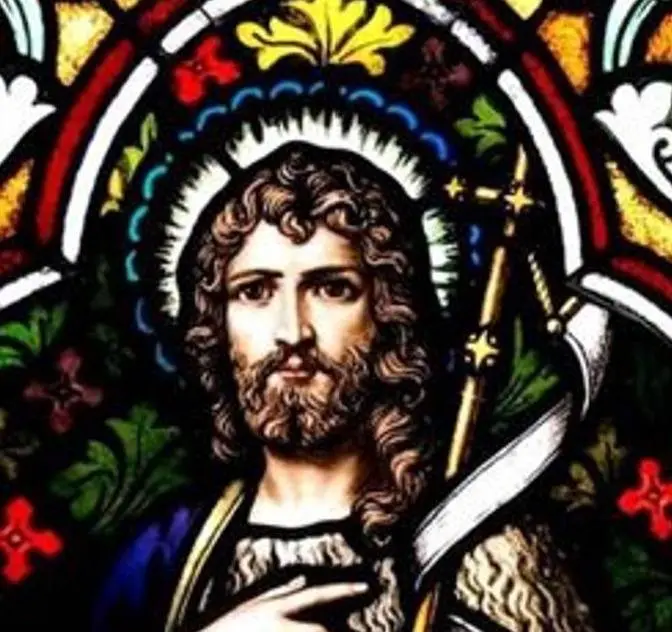
Cappadocia, a European name for this incredible region in Turkey.
The name dates back to the time of the Byzantine Empire and is home to many natural and man-made
wonders. Tent rock formations are found throughout the rocky landscape. The Cappadocia region is home
to many mountains formed from large rock formations. Many of the villages and towns
throughout the region are carved from stone. The remains of ancient villages carved into
the mountains themselves still exist across Cappadocia. Though Turkey is a predominantly
Muslim nation, Christianity has a long history in the country as well thanks to the Byzantine Empire,
successor to the Eastern Roman Empire. As a result, Christian churches can be found
in Cappadocia just as easily as a mosque, if you know where to look.
From the outside, an unassuming rock-carved building like any other,
the inside is a different matter. When the church at the top of the mountain was built,
the Byzantine Empire that worshipped there still held much of what remained of the eastern half
of the ancient Roman Empire. In classical style, those who venture there are greeted by stone
arches carved from the mountain itself. Such churches vary in size and age throughout Cappadocia.
On the ground floor, the remains of animal frescoes and geometric shapes line the walls.
Throughout the church, the mix of natural formation and man-made carving is apparent,
creating a beautiful blend of man-made engineering and artwork and natural stone
formation throughout the church. The difference between the more open rooms and the dormitories
make it easier to determine what rooms were used for what purpose, as does the frescoes and designs
on the walls themselves. In the 10th century, the risk of collapse of the church necessitated
dividing the larger rooms for improved structural integrity. The openings in the sides of the once
larger rooms were built up and enclosed to further embrace the church against collapse.
The upper floors are much more recent constructions, relatively speaking. The second
floor was carved in the early 13th century and is covered from wall to ceiling in frescoes.
The frescoes on the upper floor depict the saints, the Virgin Mary, and a host of other figures and
scenes important to the church. Plans for the original church, if they ever existed, have not
been found, but the remaining rooms clearly provide a wondrous idea of the church's formation.
Such a mix of man and nature is rarely achieved, and the decision to carve the church from the
rock rather than build allowed for the church's overall survivability. Regardless of whose flag
flies on the ancient formation, St. John the Baptist maintains a vigil at the top of the
mountain over the little town below. Nations may come and go just as the churchgoers came and went,
and the priests who once resided have long passed, but the church remains.