
Backpacking Tips I Use On Every Hike
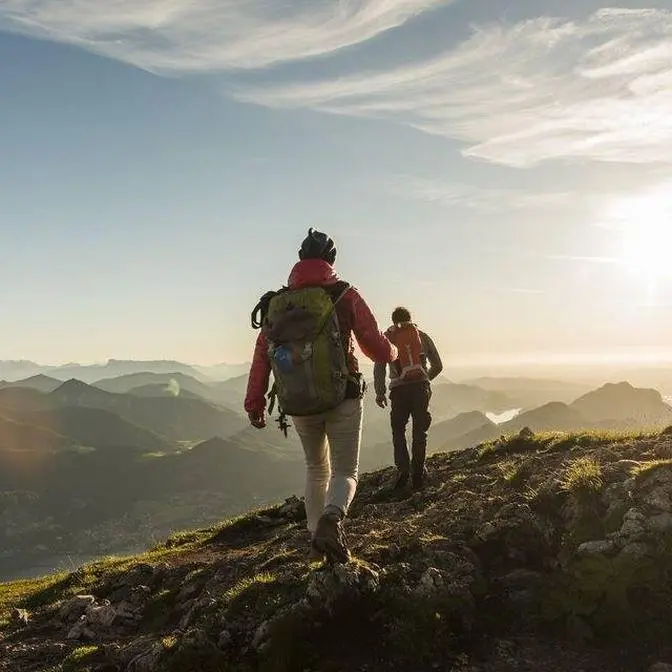
Hey everybody, how's it going? Welcome to another video. My name is Abi and this is Spend More Time
in the Wild, a channel, a platform, a community entirely dedicated to inspiring and empowering
people to get outside for the benefit of mental and physical health. Now I'm here in the hills
of the Swiss Alps and I've just been hiking for the last 10-12 days, whatever it was,
and I just basically wanted to sort of drop by with some thoughts I've been having,
essentially some tips and tricks for when you're out and about on the trail to make your life
that little bit easier. So I'm going to try and do this as efficiently as possible. I have lots
of different thoughts. I'm going to miss out loads of things because there are always new ideas
that we come up with the more time we spend on the trail, but these are just some things that
I've come up recently with and, you know, whether you're a new hiker, whether you're a hardcore
long-term, long-distance hiker, maybe there's something in here that could just be a little
bit helpful. Some things might be obvious, some things maybe a wee bit different. So let's get
down to it. I don't, I'm going to say like one, two, three, if I can keep up with that, but my
counting is not strong. Let's see how that goes. First thing I want to basically get into is I have
created this little five-step self-care check-in. And for me, it's a really helpful tool that I've
been using when I'm on the trail, when I'm not feeling 100% essentially. So it's HHFPI.
So it's hydration, hunger, fatigue, pain, and inspiration. And if you're interested in knowing
a little bit more about those and what they mean and what they stand for and what you can actually
do to use those words to check in on your general sense of well-being, then I definitely encourage
you to check out that video, which is linked somewhere in the sphere of existence around this
video. But from that, I want to just take hydration as the first thing when it comes to
sort of making our life easier when we're on the trail. So I mentioned in that other video,
that 70% of the US adult population is chronically dehydrated. And dehydration very often leads to
sort of fogging our minds and delayed thinking, lack of enjoyment and engagement, and many,
many health conditions as well. So when we're on the trail, a way to make life a little bit easier
and more comfortable for ourselves is really making sure we're staying on top of our hydration,
drinking at least half a litre an hour, depending on circumstances, environment,
and your general energy. And if I said to you to drink a litre an hour, you might go,
oh, that's unrealistic based upon your environment. But if you go, oh, that sounds like a lot,
then it's very possible that potentially you're generally just not drinking enough when you are
out on the trail. You know, if you strive to drink more and you don't quite make it,
at least you're working towards a particular goal that is going to keep you hydrated based upon the
amount of liquid that you're not just losing through sweat, but also generally physically
exertion as you're breathing heavier as well. So tip number one is just staying on top of
hydration. That's a very personal and individual thing. So that's that. Also sticking with my five
step thing, self-care thing. I can't think of the word right now. It's just not coming to me.
It's hunger. So for this video, I want to talk about nutrition. So we all know when we're on
the trail, we need to eat enough. We're burning a lot of calories. It really frustrates me,
this glorification of losing weight when we're out on the trail. For me, a successful trip is when
you maintain weight. Yes, some of your body fat might turn into muscle because you're carrying
a pack and hiking up and down mountains or wherever you are. But that shouldn't really
be the sole focus necessarily of your trip. And so for me, it's like, OK, absolutely talk about
calories in versus calories out. Make sure you're getting enough fuel to keep your body going.
But then fuel is more than just, is it diesel, is it petrol? It's broken down into the quality
of that fuel. And so for me, I think our macronutrients and our micronutrients all
need to be looked at in a little bit more detail and certainly considered when we have
the opportunities to resupply in a town or in a village. So what I'm talking about is making
sure you're getting enough fats and proteins in particular to keep yourself fueled and help your
muscles and your body cells to restore and repair when you take that recovery time in between your
hiking days. And the other side to that is your micronutrients, your vitamins and your minerals.
You know, are you getting fiber? Fiber is obviously a macronutrient, but the smaller
components that keep us going and fueled and energized and our brains working and our bodies
working. This isn't just about powering our engine as a body, but it is our mind and keeping our mind
functioning so we can make good decisions when we're on the trail. Is the weather coming in?
Which path should we take? Where are we going to resupply? You know, yada, yada, yada. Just keeping
our mind sharp as well. So for me, I like to encourage people to take some kind of like
multivitamin tablet, whether it's a dissolvable one or an ingestible one. But also just making
sure when you get the chance, getting your colorful fruits and vegetables into your diet.
Not only is that going to help with the fiber, it's just going to help your general digestive system
to function quite nicely, but also just top you up on those micronutrient levels as well.
So that is tip number two. Tip number three, we're going to be moving across to a slightly different
avenue now. And for me, this is sort of all about the navigation. So the first thing I would say
is I am not against people using their phones to navigate. I think particularly in conjunction or
partnership with a paper map is absolutely fine if it just gives you that added level of confidence.
But I would just say, you know, make sure you've got some power to power your phone if you need to,
particularly if you're hiking in the colder seasons or the shoulder seasons.
You know, the colder temperatures can drain your battery. So keeping your phone tucked in a pocket
closer to your body heat and having an external source to power it when you're out on a trip
is really important, whether it's a day hike or multi-day, if you're using your phone to navigate.
And then the other side to that is if you are feeling a bit insecure and inconfident about
your navigation, that is absolutely fine because we all have to start and learn somewhere.
But what I would do or encourage you to do is just really check in with yourself and be like,
you know what, if I was in this situation or that situation or this situation, like,
what would I actually do? And if you can't answer those questions, I really want to encourage you
to consider investing in yourself and the outdoor community by heading out to do a navigation course.
So that could be something with mountain training, whether you sort of do a full day navigating
and sort of learning the skills there and navigating in low level or hill and moorland
terrain or mountain terrain or something, for example, in the UK, again, the National Navigation
Award Scheme, the NNAS, they have bronze, silver and gold navigation courses that you can do.
I wouldn't let the word course scare you. This is just about investing in yourself.
It doesn't have to go forward to any kind of assessment. It's just stepping up and giving
yourself the opportunity to learn some new skills. And I think the other side to this of why I think
this is so important is, you know, very often navigational mistakes are made by people who feel
more confident in their abilities than they actually are and have, if that makes any sense.
So, you know, if you're in the hills and you come across some people that are navigated,
can you actually help them? That's also something else that I like to consider.
If you don't feel like you can help certain people get off the mountain or off the hills or wherever
they need to get to, then it probably means that you couldn't for yourself either. So basically
taking navigation a little bit further is an awesome, awesome thing to do. And as I say,
not only are you investing in yourself, but the community as well, because if there's a problem,
you can actually help rather than just add to the noise.
Okay. And the final thing I just want to say about navigation is actually knowing your escape routes.
So often we go out on a walk and we just assume that we know exactly what we're going to do.
It's going to be exactly fine. Everything's going to go to plan. But do you know what?
Sometimes the weather does come in. Sometimes plans do have to change. Having an escape route,
even if it's back the way that you came, is something that I think is very, very often overlooked.
And, you know, ask yourself, how often when you go out for an adventure or hike, do you actually
know what your escape routes are? If you say not very often, then I definitely want to encourage
you to start to think about that a little bit more, because again, it's just something that
we can do to respect ourselves and our own personal journeys when we're out and about in the hills.
Now that navigation, sort of my feelings around the navigation translates actually into first aid
as well. So I've lost count. Is that number four or five? I don't know. This is just throwing stuff
at you, just giving you ideas here. But yeah, for me, I'm a big believer in outdoor first aid course.
So it's a two-day course that you can do up and down the country. And basically it takes sort of
the work first aid that you can do, like CPR and somebody, I don't know, has a pen in their arm.
What do you do about it? But it actually applies it to the mountain environment. So how do you
contact mountain rescue? How would you, would you move your casualty from this situation? What do
you do about the elements? What about hypothermia? What about sunstroke, heat exhaustion? On and on
and on it goes. Lyme disease. It's a fascinating course. And by taking this course every couple
of years or a few years, you know, you're staying current and up to date with the advice that's
given to us as outdoor users. And again, like quite often the first aid you're going to be
practicing is not something you necessarily administer on yourself, but you could step up
and into a situation if somebody needed some help when you're out and about on the trail.
And, you know, I think the main thing is slips, trips, sprains, breaks, they happen. I've recently
fallen over and grazed my knee after my ankle just went on this last hike a few days ago.
Last year I was hiking and somebody I was hiking with hit their head really badly and there was
blood and I thought they had a concussion. They didn't, they were fine. Also last year,
last year was quite dramatic. I was in the kinder region on the footpath and somebody,
an older lady had fallen and hit the side of her face. She was already being medically attended to,
but I knew that I could help if extra hands were needed. So it's just things like that, you know,
the more time you spend in the hills, the more likely you are to come across somebody who has
had an accident and knowing actually how to step up and support people with that is a beautiful
thing I feel. So sticking with being on the trail, there's some other things I really like to
encourage folks to do in order to really enhance their experience. So the first thing I talk about
pre-trail is taking the time to actually understand your why, like why do you want to get out and do
this hike? Like why does it interest you? What are your passions and interests in this particular
region? And having that there in front of you when times get hard is really nice because you know
what your goal is, you know what you're actually setting out to do and achieve and why you're
putting yourself through the hard times if they do come up. So knowing why and having a sense of
purpose is, it's really important I think not just in the trail but also day-to-day life. You know,
so many times we just feel rubbish and sluggish just because we're not really feeling connected
with any sense of meaning and purpose and I think you know with the trail being an awesome metaphor
for day-to-day life, these are tips that can translate in every single direction
if you get what I'm saying with that. So then the other thing as well is to really
immerse yourself a little bit deeper again into your trail experience when you're actually out
and about is the language. So yes of course I mean the language locally if you're in another
country I think it's at least respectful to learn to say hello, goodbye, please and thank you.
Like for example I'm in French-speaking Switzerland right now, I'm finding the French
really difficult. I learned French a lot when I was at school but I'm currently learning German
and Italian and I'm finding it really difficult to flick into French but I'm doing my best.
So you know that's a really nice way to sort of show respect to locals I think and also
to earn respect from locals as well because people appreciate you making the effort.
I always say when I go to a new country I try and learn three new words.
Yeah that's not always successful because I find it really difficult taking in information sometimes
but I try my best. But it's not just the physical language of the people, it's the language
of the land as well. It's the story of the land. So whether you're in the UK or hiking somewhere
that's your home patch or you're somewhere entirely different and wild, I think this is
where your why can really come into play. It's like what actually are you interested in? Is it
wildflowers and flora? Is it the fauna, the animals? Is it the geology? Is it the geography? Is it the
culture? Like finding that particular niche interest and taking that curiosity with you
onto the trail. I think it's just it's an awesome thing to do because you learn more, you're looking
at the lay of the landscape in a different way, you're listening out for certain birds, you're
looking for certain wildflowers. So for me I talk a lot about wildflowers because I absolutely love
them and I've just been in the Italian Dolomites where did you know there are over 1,400 species
of wildflowers in the Dolomites which makes up a fifth of the entire flower population of Italy.
It's bonkers and it's just things like that that really blow my mind and being immersed in that
beauty is a phenomenal thing just because I've been able to take it that little bit deeper with
my own personal interest. Okay on a slightly different aspect of this now I want to talk
about strength and conditioning. So when I worked as a personal trainer quite often I'd say to
somebody if they want to get into a particular sport is if you want to get good at their sport
do their sport. If you want to hike, hike. If you want to cycle, cycle. If you want to paraglide,
whatever. Obviously you have to do more of what you want to do to get better at it. But something
we can really support our bodies with is strength and conditioning when we're off the trail and
indeed on the trail. So I'm just talking about seriously focusing on our strength and our
mobility and our motor skills. Focusing from our ankles, our feet, all the way up our body to our
heads. Making sure we've got good posture. Are we training our core? Not just the front of our
core, everyone knows the six pack, but also our lower back. Are we doing any leg work to sort of
really balance out the full muscles in our quads for example and our hamstrings and our calves?
Are we making sure we're you know keeping our mobility good in our ankles so that they're good
and supported? Are we training our upper body? Because obviously you know we're going to have
a lot of weight on our shoulders and really making sure that we're fit and strong and
conditioned as an entire package so that when we go onto the trail everything is just more
harmonised. There's not one weaker muscle than other because we've been looking at our body
as a functioning being and everything needing to connect with one another to stay in a healthy
and mobile sense. And I've already mentioned that sort of translating to when you're on the trail
as well. I mean how often after a hike do you actually stretch? Hands up! If you don't stretch
much I think just again bringing in some mobility. It doesn't need to be a full-on half an hour
stretch down situation but I think you know once your tent is up or you're at your refuge or your
hotel or wherever you're staying or your home. Actually I find just going for a walk can be the
best thing that you can do. My friends often joke, oh you finished the day so what are you doing
going for a walk? I'm like yep. Just walk around, keep moving, don't just stop. You know support your
muscles in their recovery, definitely doing some stretching, you know some shoulder strokes, just
moving your body around to loosen up those muscles is a really really good thing to do.
That's just going to again help with the blood flow and help with the general recovery of your body
ready for the next day's hiking. Now of course we talk a lot about the physical aspect of hiking
but there's also the mental aspect as well and I think I just want to ask you the question of
what do you do to mentally prepare for a trip? It might be a sense of oh I'm just really looking
forward to it, I don't need to mentally prepare but if you are prone for struggling with your
mental health, your mental health is going to come with you. In fact everybody's mental health because
we all have mental health is going to come with us when we're out on the trail and sometimes things
can just hit us that knock us back and you know for me there are so many different things that
we can do to look after our mental health when we're on the trail but that why and having that
sense of purpose and meaning that's going to help us push through and my five-step self-care check-in
it's just going to really help us to get grounded and into our bodies and connected as a whole
so that we can look after ourselves when things are feeling a little bit difficult. So as well as
sort of stretching and cooling down with conditioning things at the end of the day
I think the other thing we need to really consider is our feet. Foot care is an absolute priority.
I have a foot care video, I'm going to be producing another one very soon as well
just sort of covering some of the different things that I do to look after my feet when I'm on the
trail but it is important that we take active steps to look after ourselves. I think if we
just walk along oblivious to the fatigue and the energy that's being used and fatigue that's being
created then you know we're walking into an injury. So the more we can do to intentionally take
that time at the end of the day to check in on our body particularly our feet is going to really help
sort of with the sense of longevity and keeping going in a more sustainable way
on the trail. All right so I have a few more different subjects and things I want to cover.
So the next one is kit. I'm not a big fan of this crazy ultra light ultra expensive scene
that seems to be popping up. It's almost uncool if you have a heavy backpack and super cool and
slick if you're doing like 30 mile days and carrying 10 kilograms or even less actually.
This obsession about bait weight and all of that it just drives me mad because I think I 100%
am on board with the fact that having a lighter pack is going to increase your enjoyment and
probably mean you can walk further if that's what you want to do but I don't think there should be
a financial barrier to getting outside. It frustrates me that so much focus is put on kit
and not just actually getting out and trying things. I think kit for some people in certain
mindsets can be used as a excuse to not go out. Oh it's raining I can't go because I haven't got my
new waterproofs yet. Oh it's too hot and sunny I haven't got this particular hat yet or oh my
rucksack is too heavy I need one that's 500 grams lighter. It's like it's just annoying because I
don't think it's necessary. I think you know gratitude and appreciation for what you do have
is an awesome thing like of course we do need to upgrade kit sometimes and going lighter is
definitely a nice thing but I just want to encourage you to not glorify having the most
expensive and lightest kit because it is it's just not what's required in order to have an
awesome time out in the hills. No matter whether you go out in the hills with a heavy pack or a
light pack you're going to have a story to tell and you're having your own personal adventure
and do you know what sometimes we need a bit of grit and determination and we need a bit of
struggle in order to get to the other side of that for the personal growth journey to actually
happen. You know for me I do have a lot of light kit but the reason why is because I'm a filmmaker
and I carry about five to six kilograms extra of camera kit and you know what my pack is heavy and
I do struggle with it sometimes so then I find myself falling into the trap of oh maybe I can
spend another couple hundred quid more and get an even lighter sleeping mat by 30 grams and it's
it's very unnecessary and I see it in this this trap of a sort of materialistic commercialism
world that I just don't think is necessary in the hiking scene under certain circumstances
and people's situations. So hopefully if you're finding yourself struggling with that this could
be a letting go and a freeing an excuse to just drop all of that and just get out and grab your
backpack with what you've got. You know the other thing as well is what I like to say to people on
the walks that I run is you know so long as you're not wearing cotton if it's sports clothes you're
pretty much okay because they're synthetic they're designed to wick moisture away some t-shirts might
be heavier than others some might not be the best color than others but it doesn't matter they're
all functioning in the same way and keeping you you're safe on the trail and I suppose you know
safety is a really really important thing to consider if you're safe crack on. So next up is
actually just taking the time or I wouldn't encourage you to take the time to connect with
other people when you're on the trail. You know when we're out hiking we all have sort of that
common goal of the fact that we're just in this experience and we're journeying from A to B on foot
and I just find it's amazing like everybody is so friendly and welcoming and you know it doesn't
matter what people do for work because the question is where are you going where have you
come from what what are you doing out here and I love that because you know for me being in nature
nature doesn't judge who we are it doesn't care about our struggles and our difficulties and what
we're proud of and our egos and I think generally speaking nor do people on the trail either
we're all just very humbled by the experience we're all usually quite tired
and I really like that and I think you know I'm a very introverted person actually
but I do find that when I connect with other people I feel their positive energy and it helps
me on my own personal journey and it's not kind of that classic thing of sharing smiles you know
if you smile at someone they smile back and then you share the smile with other people
and generally it just makes the trail a happier healthier place to be on. All right I've managed
to strip it down to three more things so I can actually let you know what's coming.
I think it can be really nice to document your journey whether that's for photos or poems or
artwork or writing but actually taking the time to capture your experience even if it's just a
quick snap on your phone is a really nice thing to do because when you're then back home and
you're feeling maybe a bit blue or a bit down you can look at that and you can remember and
you can reflect but I also am a big believer in tactile things and I think absolutely put
some posts on Instagram do what you want to do but I think it's a very honorable thing to do to
take those photos and maybe make a photo book or a scrapbook or something that you can actually
pick up and look at when you're back home to remind yourself of the journey that you've just
gone through and what you've achieved because it's it's just it's just nice and it takes it
the extra bit further and it shows a bit more respect to your journey and the person that you
were on that journey by having something like the writing or the pictures or or whatever to to look
at like sometimes I write songs about my hikes but I just think you know really capturing things for
for what they are and not just letting them go because your trip is over it's like cool on to
the next thing so honor your journey and take the time to really dwell in what it was through some
kind of creative endeavor but that being said I'm pretty very enthusiastic about leave no trace so
you know when we're out and about on the trail pretty much the only thing we should be leaving
is footprints taking photos is a really nice way to capture our experience but just educating
yourself on the leave no trace principles is actually hopefully going to make you feel even
more connected to the landscape because you know you're intentionally being careful to protect it
for future generations and the wildlife to come so leave no trace definitely check that out if
you don't know what the principles are it's time to get to know them okay so my final tip and trick
is actually to do with when you finish the trail it is not uncommon to get home after a trip
particularly one that's been very sensory maybe another country it's challenged you in different
ways um to feel a little bit low to feel a bit blue um and the way I like to sort of explain
this and also help people understand this is in day-to-day life we're all sort of puzzle pieces
we slot together and that's our story but when you go onto the trail you go through these experiences
and you change slightly your puzzle piece changes slightly through the hardships that you've gone
through the things that you've enjoyed and what you've learned about yourself um and you come back
home and your piece doesn't quite fit into the slot that you left behind so it feels a little
bit uncomfortable and I think also you know the trail is very often very simple and we come back
to life and there's a lot of noise you know there's all this advertisement there's the things
we don't want in our face in our minds all the time and it's very very difficult to escape that
so the first thing I would say is just acknowledging what you're feeling it's absolutely okay to feel
a bit rubbish it's very common to feel a bit rubbish but I think what you can actually do
about that is identifying what it was about the trail that has really fulfilled you was it the
people was it the fact that you were outside all the time was it the fact that you're moving all
day was it the fact that um you enjoyed the creative process or seeing new places um was it
something entirely different you know the learning whatever you can though if you can identify
something bringing that into your day-to-day life um is is an amazing thing if it is the fact that
you just like being outside then how can you factor in more outside time is it the fact that
you enjoyed learning about new things how can you carry that on when you're off the trail
um so actually being intentional about supporting yourself through that journey um and of course
the classic one is just putting something else in the diary you know again being intentional about
your time if you identify what lights you up and makes you happy and fulfilled then putting more
of that in the diary is definitely going to keep you on that forward momentum and progress of growth
and happiness and that's definitely what we want right um the trail is is a beautiful beautiful
thing and I think the more of trail life and character we can pull into day-to-day life the
more humble we're going to be as people the more engaged we're going to be with life and actually
more separate and aware of the things that are intruding into our space that we're not actually
inviting in they're just there because that's just how the modern world is so we can be more
intentional about our time and what we're actually choosing to take in and what we're choosing to
hold out in order to protect our overall sense of well-being because you know what life is short
and if there's anything we can do to empower ourselves then we definitely need to be doing it
and I think I suppose with all of this just to swing back into you know if things are feeling
intimidating and imposing regarding getting out onto the trail then it's always a case of like
what what is the barrier and what can you do to work through that because there's always an answer
sometimes it just takes a bit of digging you know is it about hiking with a friend is it that you're
scared of wild camping and you know you need to identify what's going on there um is it that
you know you don't want to carry the heavy bag like whatever it is are you worried about the
weather are you worried about navigation like there's always a practical solution but it's just
about giving yourself the time to go through that journey and it's exactly the same afterwards
because the journey of the trail continues for as long as life continues so I do hope that this
has been helpful it's definitely been a bit of a whirlwind lots of thoughts and feelings but as I
say I was just in this beautiful place and I just felt like sharing the backdrop and sharing some
of the thoughts I've been having recently with you in case they can help you throughout the
season's hiking if you've got anything else you'd like to add please let me know in the comment
section below and of course you can help me out with my mission of helping people to get outside
for the benefit of mental and physical health by liking subscribing and sharing this video if not
my channel with somebody who you feel needs a bit of a kick up the backside to get up and out and
thank you so much for your support thank you so much for watching and until next time
enjoy your own adventures and stay wild I'll see you soon