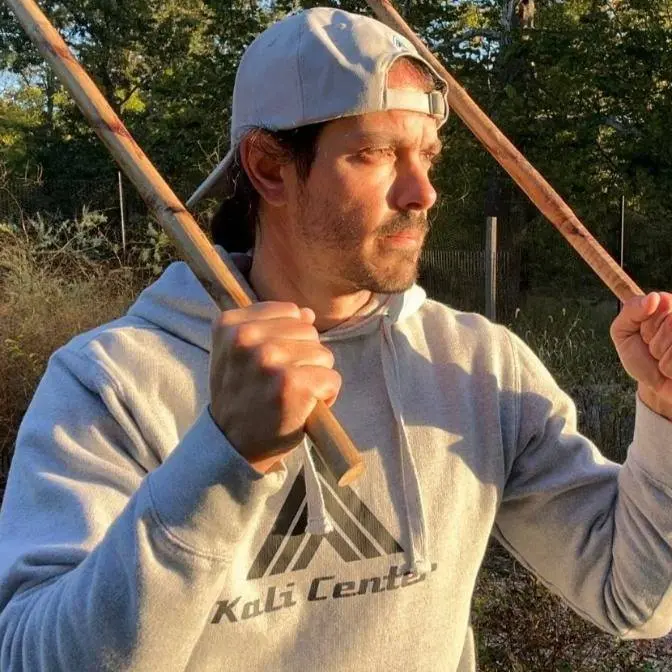
Get the NEW Kali Apex training course here: https://www.kalicenter.training/ And Join the APEX Members for continued training, 1-on-1 video coaching and more at: https://www.patreon.com/kalicenter Make sure to download the Patreon app to keep Kali Apex in your pocket 24/7
JOIN our YouTube Channel Membership Area and become a sponsor of the channel and receive access to many perks and exclusive videos and live-stream training classes, discounts on products, seminars and training camps and more! Join here! https://www.youtube.com/channel/UCvpvytLAAvsxTMA-YtUAs5w/join
[Music]
[Music]
paul ingram here with colley center
what's happening buddy hope everyone is
having
a great week and uh getting some good
kali training in
today's video i'm gonna be talking about
some of the different or more common
knife grips so make sure to hit the
subscribe button
smash that thumbs up button if you like
training the knife if you think knife
skills are important to have
also leave me a cool comment below i
always love reading you guys cool
comments and uh i usually try to get
back to everybody you know within that
first 24
48 hours if i possibly can so let's go
ahead and grab a training knife
and let's get training first probably
one of the most common grips you're
gonna see
in knife work across the board
is our forward grip and it's our hammer
grip and our forward grip
the hammer grip and the forward grip is
where we are
forward grip is the blade is obviously
moving forward
and in the hammer grip the thumb wraps
around the blade
so you see this a lot especially with
some of the thrust and all this stuff
this is one particular method of
gripping
now you're going to see this very common
across the board
in most martial arts they're going to
slash
with it and they're going to thrust with
it
and that's really what the knife is
really all about
now here in cali his here at colley's
center and a lot of other styles and
systems that i've trained in over the
years
we actually like to utilize more of a
saber type of grip instead of this
hammer grip
and the reason for it is well there's a
lot of reasons for it
so you're going to notice a difference
right away that if i'm gripping in this
hammer grip
you're going to notice the tension that
is right here in my
form right there you could see that i'll
get a little closer if you can't see it
but when i go into the saber grip you're
going to see how automatically
that starts to relax a lot more
hammer grip saber grip
and you can see how it relaxes a lot
more what does that mean
when we are gripping our muscles and our
muscles are contracted
what does that mean overall is that
going to give us more endurance or is it
going to
create more fatigue in a shorter amount
of time
the more that our body is under tension
time under tension
we're gonna be fatiguing our body so
we're automatically starting to lose
endurance and as the muscles are more
engaged that means we're also losing one
of the most important components of
any type of fighting really but
especially when it comes to the blade
which is
speed and because we are gaining fatigue
and we're losing speed we're going to be
gassing out a lot faster
so the saber grip allows a little bit
more relaxation
in the wrist and in the form which
increases endurance
right away and because of the uh
relaxation of the muscles we get a lot
more
speed so in the forward grip let's talk
about some of the basic
techniques that we can apply obviously
we have our slashes here
and we have our fluid slashes that come
all the way through the center line
we also have our broken hacks right
there as well that hit to the center
line and retract
we have our thrust we have our broken
thrust just like this which are more
kind of
jagged jabbing type of thrusts
and we have our fluid thrust that are
going to go
all the way through the center line also
we also have that third basic tactic of
the jab which is almost like a quick
flick of the blade and there's a
few different types of variations and
manipulations for this
you know we can jab it out with the tip
of the jab tip of the blade right there
that's one of the most common ones we
can also kind of roll cut it right there
we're
roll cutting the blade right down onto
the target of the opponent
right there and you're gonna see that
these techniques
can start to transition into one another
when you understand the forms and you
have the proper
knife handling skills common grip number
two
is the ice pick grip or the reverse grip
now commonly when i see martial arts
working on this particular grip i see
them using this hammer grip
very similar to the ford grip and
you know this is okay here with uh with
the ice pick grip
with the reverse grip or also known as
pical
and the reason for it is that we are
going to naturally start to lose speed
however in the exchange of losing speed
we are gaining more power because these
motions
are more derived from the downward
motion so you got more
gravity more force of gravity on your
side which is going to increase
a lot more power but by the nature of it
you are probably going to be a little
bit slower in the reverse grip
than you are in the forward grip so
one little thing that i want to make
sure to point out here at kali
especially here at kali center
we do not utilize the hammer grip
in the reverse grip this is okay if
you've got a guard
on your knife maybe you're using like a
big hunting type of bowie knife or
something like that but
for the most part most of us probably
are not carrying
you know that type of you know hunting
or combat knife that's going to have
that type of guard on it
and we're probably most of us are going
to be walking around with some sort of
folding knife maybe like a spyderco
benchmade cold steel something like that
that does not have a hand guard on it
so it's going to be really important
what we do here with our grip is we take
the thumb and we put it on top
of the knife what we call capping the
knife this way when the knife is
capped when you are applying your
tactics and techniques
you go to hit and for whatever reason
that knife just stops
gets stuck but the momentum of your hand
keeps going
right you don't want your hand to slide
down and ride on that blade and then
you know cutting up your fingers and all
that type of stuff that's that's not a
good day and so we cap the knife in the
reverse grip
that way that's going to keep that knife
secured
in that grip so if you were to hit
something and that knife was to stop
your
hand is not going anywhere regardless if
there's a handle
a guard or not now this is you're gonna
notice that i have the blade edge
facing the knuckles blade edges on the
outside this is a grip that we utilize
in kali and this is really good for
different types of slashings obviously
you can still thrust and jab with it
and all that stuff there's another grip
that we also use
in kali in the reverse grip and that is
with the blade edge on the
inside still thumb caps the knife
now the reason why we have it on the
inside this is our
primary grip when we are in the reverse
grip at least here at collie center and
some of the other styles and systems of
filipino martial arts that i've trained
in
and the thought behind that is number
one
the primary tactic of the knife is the
thrust not the slash the slash is very
good
and it causes a lot of flesh damage and
it can be very very effective
in neutralizing the opponent but the
thrust just neutralizes the opponent
much faster the thrust gets all the way
down
into the organs into the blood supply
and goes all the way down
into the bones and when you start
hitting bones
that starts really slowing people down
or if not
stopping people right in their tracks
right there
so we can still slash with it it is
looked more as
a weapon retention type of purpose where
maybe you had a primary weapon or
somebody wants to grab on to you or
something like that
and now you can utilize that blade edge
on the inside to get their hands off of
you
or you know if you are carrying a
firearm or something like that and
someone puts their hand there you got
weapon retention right
then you can draw that knife and clear
their hands you know a lot of different
applications for it
but that is one of the thoughts one of
the ideas of the blade edge on the
inside
also when it comes to fighting multiple
opponents
meaning there's you know just you by
yourself and you've got
three or five or more people that you
got to deal with
we want to start looking at utilizing
weaponry because we need to equalize
that playing field
and even though this is very good and
it's very fast
right on this forward grip we're gaining
speed but we don't have
as much power and we really want to
utilize that
power here of that piccolo grip so we
can
clear any incoming punches and grabs and
you know anyone trying to go in for the
takedowns right
everything is leading with a thrust you
know from on top where we have all this
power raining down on our opponents
instead of
with the forward grip where now we're
leading with the
hand on the slashes which somebody can
a lot more easily get underneath you
know into this form right we're exposing
the form a lot more we're giving
our opponent more of an entry on the way
in and our thrusts are very good but
they're kind of coming up so they're a
little bit below the radar
and sometimes when you start thrusting
especially on that low line someone may
not
realize that they're you know getting uh
getting opened up
and they may still be able to pick you
up and slam you on your head and
all those really you know nasty things
that can still happen to you and then
just bleed out in the process
so that's why in the reverse grip we
consider this grip
for when you are kind of by yourself
maybe you are dealing with multiple
opponents
you know or it's more like weapon
retention or anything like that so again
punches start coming at you right you
can clear your face clear that area
while obviously maneuvering with
footwork and all that and you got the
blade edge
that is cutting its way down but it's
also cutting
into the thrusts and when you start
thrusting those hands and you're
thrusting those bones and everything
hands tend to slow down and again if
somebody's coming in for a takedown
right they got to get past the thrust
they got to get past
the blade that sharp edge and the tip
of that knife okay and uh it's just it's
a little bit more scary you know i know
it's easy to
to say like oh if someone took a knife
out i'm gonna pick them up and slam
them and break their arm and all these
things but it's a whole different world
when you know you're actually you know
reality facing
the knife and especially facing somebody
that knows what to do with one of these
things
and they got the will to use it all
right so just to recap
three basic grips that we utilize here
in
kali especially here at kali center we
have the
ford grip which is a little bit more of
the saber grip if i got a student that
likes to train in the hammer grip
that's fine i'm not going to sit there
and be like oh no you're doing it wrong
it's your kali it's your training if you
want to do it your way then do it your
way
if you want to try it how how we suggest
to do it then try it out that way maybe
you'll like it maybe you don't
and then we also have the reverse grip
we got the blade edge on the outside
which is kind of secondary for the call
grip
and then we have the blade edge on the
inside which is the primary for the
pecal grip
both either way whatever you prefer make
sure the thumb caps the knife
so that way when you hit if the knife
stops your hand stops too and doesn't
slide down and
then you're you know cutting your thumb
off or your fingers halfway off or
anything like that
then you gotta pick up your fingers and
you know whatever
so remember on that reverse grip we got
the cuts we got the throttles we got the
hooks
the traps the weapon retention all that
stuff
however again on the ford grip the pro
is the speed the con is we're a little
bit lacking in power
the reverse grip the pro is the power
and we're lacking a little bit
in the speed so a little bit of give and
take all right if you guys want to
get more in-depth training with the
knife if you want to start learning the
forms for the right
knife handling skills so that way you
never risk
you know hurting yourself running your
own weapon into yourself or anything
like that
and then starting to learn how to apply
footwork with your tactics how do you
start applying the knife
you know against you know in short range
and quarto range at largo range long
range how do you bridge the gap how do
you
get from corto back out how do you start
engaging multiple opponents
head over to colleycenter.com and check
out my knife fighting course
i got the link right below in the
description
so make sure to check that out i also
have a coupon code for anybody that's
interested in grabbing our knife
fighting course
that is special only to this video so if
you catch this video
i'm going to go ahead and have that
coupon available for
three days 72 hours because three is a
powerful number in collie so if you want
to grab that course
check out that link in the description
grab that
coupon code that discount and uh get
training
on your knife tactics and skills all
right make sure to hit that subscribe
button if you enjoyed this type
of lesson on the knife if you want to
see more knife stuff
smash that thumbs up button so that way
i know we're on the same page
leave me a cool comment below so that
way i can read it
communicate with you guys and we can
continue on our knife conversations
down in the comments i'll catch you guys
back here for the next
training video get outside let nature be
your colleague dojo
and go have fun and i'll see you soon
for some more training
very soon
[Music]
[Music]
you