
Exclusive
Exclusive Interview with Li Nanyang: America's 2021 and China's 1949
15 Video Views·Nov 1, 2023
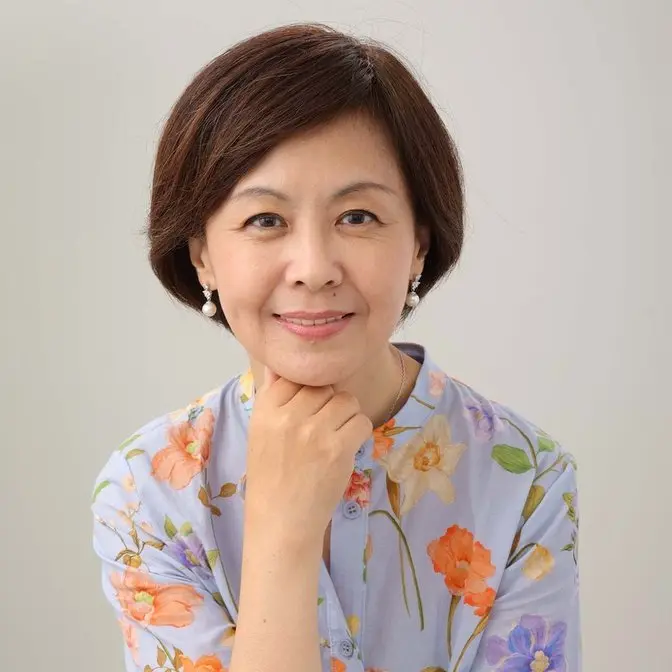
Li Nanyang is daughter of Li Rui, former personal secretary of Mao Zedong. In his later years, Li Rui became a vocal advocate of democratic reform in China. Li Nanyang spent 40 years in China; then 30 years in U.S. After the 2020 US Election, she wrote an article titled “America’s 2021 and China’s 1949”. In the article she wrote: ”I sincerely hope that America’s 2021 does not become China’s 1949.” What does she mean? In this exclusive interview, Ms. Li Nanyang compares the similarities between the CCP controlled China and America today based on her unique personal experience.
Hello, everyone. Welcome to this episode of Hot Interaction Special Program.
In this episode, we will interview Ms. Li Nanyang.
Ms. Li Nanyang's father, Li Rui, was Mao Zedong's former secretary,
and a representative of the liberal party within the CCP system.
Li Nanyang spent several years bringing Li Rui's diary overseas,
organizing and storing it, and eventually donating it to the Hoover Institute in the United States.
Having lived in the United States for many years,
Li Nanyang began to pay attention to and reflect on his father's life experience and the CCP system,
and also began to care about American politics.
In particular, the U.S. election in 2020
made Li Nanyang really begin to realize the dangerous direction of American society,
and many social phenomena are very similar to those under the CCP's rule.
In this episode, we would like to invite Ms. Li to share her experience and thoughts with us.
Ms. Li Nanyang is already online.
Hello, Ms. Li. Thank you for accepting our interview.
Hello, everyone. Thank you for inviting me to this program.
Okay, thank you.
Okay, let's talk about yourself first, Ms. Li.
Please briefly introduce yourself to our audience.
When did you come to the U.S.?
What were some of your simple experiences after coming to the U.S.?
I left China in 1990, the second year of June 4th.
First, I traveled around the former Soviet Union,
which was then called West Germany and East Germany.
After going from East Germany to West Germany,
I worked in Switzerland for a period of time.
Then, I went to Texas to work on a supercomputer.
I arrived in the U.S. in June 1991.
Then, in 1994, during the Clinton administration,
this supercomputer was the world's largest accelerator.
Later, it was cut down by Congress.
After it was cut down, I found a job in California
at the Berkeley National Laboratory,
and worked there.
In 2001, I went to Stanford University's
Direct Accelerator Center, SLAC.
I was still an accelerator engineer.
In 2009, I returned to the Berkeley National Laboratory
and retired in 2014.
After my retirement,
in February of this year,
I was hired by Stanford University's
Hubei Research Institute to work as a visiting fellow
until August of last year.
That's about it.
So, you retired now?
Yes, I retired now.
So, you've been in the U.S. for almost 30 years,
and you basically follow the path of science and engineering,
just like many foreign students,
who have been engaged in technology.
Yes.
Did you go abroad in 1990
have anything to do with the June 4, 1989 in China?
Yes, very much so.
In fact, when the June 4, 1989 happened,
I wasn't in China.
I was in Central America,
in a small country in Bolivia in Central America.
At that time, I was hired by a Chinese-American company
to develop a project there,
which was actually a tourism project.
Later, because I was abroad in China,
I saw the foreign media reporting on the June 4.
Of course, I was shocked.
I couldn't accept it at all.
I felt that the Communist Party had destroyed my family
for so many years.
My father was in prison for 20 years.
In the end, I was still full of passion,
and I still wanted to do something for this country.
But in the end, the Communist Party slaughtered the people.
I couldn't accept this.
Later, I got to know an American magnetist.
I contacted him from Bolivia.
I said,
I don't want to do anything for the Communist Party anymore.
Can you help me find a job in the U.S.?
Later, he found me.
Because at that time,
the Churchill Project was just launched.
It needed a large number of engineering technicians.
And I had a specialization in this area.
Later, the hiring came very quickly.
And the whole family could go.
Later, I applied for a U.S. visa in Bolivia.
I was going to send my husband and daughter's documents to China.
But I didn't know that my father was already infected at that time.
I didn't know anything about the situation in China.
Later, I called my husband.
I said, I'll go to the U.S. first.
Then you take the kids.
I'll send the documents to you.
You take the kids to the U.S.
My husband only said one sentence on the phone.
He said, come back.
But he didn't tell me.
Later, I had no choice.
I can't say I'm going alone.
I don't want the kids and my husband, right?
I didn't think it was that serious.
I just wanted to go back first.
I had to go back and ask the situation clearly.
When I got back to China, I found out that my father was in China.
It was like being beaten.
At that time, there was going to be a party election.
Later, I think at that time,
The Communist Party members of my company in Bolivia
also reported to me the so-called anti-communist marches abroad.
Because I also participated in the local demonstrations in China.
I also donated money to Tiananmen Square students.
Later, they said I was anti-communist.
Then the company started to investigate me.
That's when I found out what was going on.
But the company's investigation, I think,
was actually to give me a criminal charge.
As a small Bolivian, I'm not even a party member.
What do they mean to me?
I think the Chinese Communist Party is a kind of people who are blind.
As soon as they saw that I had a problem, they came to investigate me.
It was like investigating Zhao Liang's son at that time.
It's like breaking through the son's body
and proving that Zhao Liang betrayed the country.
Later, I quit.
I don't care who you love.
I don't care.
I don't have a father.
Later, I resigned.
I quit.
I didn't have a job.
Anyway, it was a long process.
It was a long story.
So later, I lost my passport and everything.
Until the next year,
Chen Yun said in the CPC Central Committee
that Li Yue, Li Chang, Yu Guangyuan and Du Zhensheng
were the four people who were against June 4th.
They said that the CPC Central Committee members
couldn't fire a party member.
They said that if I was fired,
I would be punished in the future.
We did too many things like this.
Later, we were fired.
My father told me to leave immediately.
He told me to get my passport as soon as possible.
You can get it.
He also said that the country had no taste.
The party had no taste.
If you can leave, take your child with you.
So later, we took our daughter
in a very twisted way
from the train to Moscow
and then went around like this.
In the end, we didn't make it.
Yes, so your process of going abroad
was so twisted.
You basically stayed in China for 40 years.
You stayed in the US for 30 years.
You crossed two systems and two cultures.
I think that basically,
a lot of Chinese, especially overseas Chinese
know about your situation.
After your father passed away,
it was the CPC that
wanted to
fight for
Li Rui's diary.
In fact,
they wanted to take it away and destroy it.
So after this incident,
a lot of people got to know you.
So please tell us
briefly
when did you
organize your father's
diary?
How long did it take?
Please give us a brief introduction,
okay?
I'll start very simply
with how this information came about.
If my father
had died during the Cultural Revolution,
all of this information would have been destroyed.
It would have been impossible to preserve.
He died in 1959
at the Lushan Conference.
It was before the Cultural Revolution.
So before the Cultural Revolution,
his diary, his past
contacts in Yan'an,
had all been submitted.
It was locked in
a safe in the Ministry of Electricity.
He was like a dead tiger.
His secretary for the Cultural Revolution
had already been exiled,
so no one remembered him.
All of this information was kept
unconsciously.
After my father's death,
I went to retrieve
some of my father's belongings.
But there were no letters or diaries.
Later, my father said,
no, I still have a lot of information.
He told his secretary to look for it.
Later, there was an air-conditioning
in a large safe in the basement.
But he didn't say what it was.
Later, he opened it,
and found that it was all
my father's diaries
and letters.
I was the one who retrieved them.
After I retrieved them,
the first letter I found
was a letter my mother wrote
to my father.
It was very romantic.
I was shocked.
I didn't expect my mother
and my father to have such a relationship.
Because in my mother's eyes,
my father was an
evil enemy.
They were irreconcilable.
Later, I felt
because I was so young,
I thought,
this is a good material to write a novel.
I put everything in it.
I was busy with my own work,
and I had to take care of my child.
I didn't think of these things.
Later, when I arrived in the United States,
my daughter went to college.
We had no time.
We had a lot of time.
It wasn't like she was so busy.
I thought of these things
and asked my father.
I said, give me those letters.
I'll sort them out for you.
Later, my father gave them to me.
When I looked at them,
I thought, this is incredible.
It was completely different
from what I saw when I was in my twenties.
Just looking at those letters,
some of them were written
in the Yan'an Post,
some of them were written
behind the English propaganda leaflets
I thought,
this is too much material.
So I started to sort them out.
This is indescribable.
After my parents had sorted out
the letters from 1938 to 1960,
my father had to
sort them out from 1975
to 1979.
He gave me the
addition and subtraction material
for this section.
I sorted it out.
Then I sorted out
his diaries from 1946 to 1980.
But later on,
he started to
re-edit his diaries.
Some of them
were quite sensitive.
These things were
officially sorted out
in 2002.
Later on,
they were not published
or published again.
Until my father
passed away,
coincidentally,
on the first two days
I sorted out
his last diary,
dated March 26, 2018.
Two days later,
my father passed away.
After my father passed away,
I started to sort out
his diaries
that followed
the so-called liberation of Shenyang
In fact,
these were his work notes
on the process of
taking over the regime
from the Kuomintang.
Later on,
he took part in land reform
and propaganda work in Hunan.
Then he went to the Central Office
to review the third phase.
He also went to meetings
and the Central Office
in Zhongnanhai
for meetings
to review the names
of the Chinese entities.
I started to sort them out
after my father passed away.
I haven't finished them yet.
I started to sort out
the recordings.
The recordings
are still being processed
by my father.
In fact,
I think that
in such a process,
whether from the perspective
of the family,
the individual,
or the whole history,
you must have a lot of thoughts.
Especially your father,
I think that
as he participated in
the whole process,
he also said that
if all these were published,
everyone would comment
on the events
or actions he participated in.
But I think that
he still hopes
that there is a historical truth.
I think this is actually
very important.
But for you,
because of the time,
I would like to ask you
to talk about
what was your biggest feeling
My first feeling
was when I started to sort out
the documents.
Because later on,
after the Communist Party
took power,
I established it myself.
Especially when I was 9 years old,
my father was expelled from the party
and later imprisoned.
I have my own understanding of the Communist Party.
But for the early days of the Communist Party,
I always thought
that it was great.
But later on, it changed.
I felt that
the initial pursuit of the Communist Party
was sincere.
The young people who participated in the revolution
were also sincere.
Yan'an was still a sacred place
in my heart.
I felt that when they were young
in Yan'an,
it should have been a real revolution.
But when I saw my parents
in the diary of Yan'an
and the letter,
I felt that the veil of revolution
had been lifted.
In fact, it was ugly.
People are all people.
It's not that you are noble
when you are in the Communist Party.
You are noble when you participate in the revolution.
In fact,
these people in the Communist Party,
including my parents,
I felt that they were particularly lacking in humanity.
Let me give you the simplest example.
My mother had a cousin
who was in Chengdu at that time.
At that time,
Yan'an and Dahoufang were not allowed to communicate.
If Jiangjie was occupied,
it would be more dangerous
to communicate with Yan'an.
But this little brother in Chengdu
transferred some letters
to my mother's parents
and gave my mother
some money.
Because they had no salary,
they had to rely on the parents
who were not in the revolution
to support their lives.
It meant that this little brother
risked his life
to help them.
In their letters,
they often wrote that
the little brother borrowed money
and gave something.
Later, I asked my father
what happened to this little brother.
My father completely forgot about it.
He didn't remember that
there was such a relative
who helped them in Yan'an
who was not in the revolution.
My aunt said that
this little brother died
soon after the Communist Party
took over Chengdu.
She went to Beijing
to find my mother
My mother suffered a lot.
I saw
my parents' letters
I was very shocked.
I thought that
it was not strange at all
In the revolution,
they really lost their humanity.
This was quite shocking to me.
Also,
during the process of
organizing their letters,
I went through
my parents' life.
They were not
all monsters.
They really
died passionately.
They participated in the revolution
in a very pure and innocent way.
But the Communist Party
is really a big two-pronged stick.
There are many farmers
in Mao Zedong's basic team.
These farmers
were the first part of Yan'an's organization.
These intellectuals
joined later.
After they entered,
they were surrounded by these
people
to reform them.
Later,
they slowly
slowly
were
polluted.
They were said to be
spiritually polluted.
They were actually polluted
by the Communist Party.
In the end,
as a daughter,
I can say
that my father's great thing
was that under such a rule,
he kept an independent personality
and independent thinking.
But as his whole life,
he was quite unsuccessful.
But I don't judge heroes by their success or failure.
But they really
harmed themselves
and our children.
I was only a junior high school student.
I didn't receive any higher education.
Because I was born in a family,
it was impossible for me
to go to college in China.
They harmed this country
and these people.
This is
a very big
on me
after going through
their life.
And I have another idea.
Many people,
especially those who study
China in the West,
when they study China,
they are like archaeologists.
One case after another.
It's like digging a grave.
Digging a grave.
Why are there so many people
studying China
and the Communist Party?
They are so left-wing.
Now that I think about it,
I think this is the problem.
Before I came to Hubei,
I also attended
a seminar with my father
in the US.
When you listen to their
research topics,
for example,
Deng Tuo's research,
Zhejiang's anti-rightist struggle,
Shida's research,
the Cultural Revolution,
and Sichuan's
anti-rightist movement,
they are all
like archaeologists.
There is no comparison
between the weight and the horizontal.
They don't look at the development
of the Communist Party from the weight.
So they don't compare
with the Western world.
So,
even though I'm not
a professional researcher,
I think
research history
comes from data,
from real,
undisturbed historical data.
I think these nearly 20 years
of historical data
have given me
a deep understanding of the Communist Party.
It has given me a deep understanding
of two living individuals.
It has given me a deep understanding
So I think
for me personally,
this is a great
promotion and improvement.
I also think these historical data
are particularly valuable,
especially for those who study China in the West.
It is a historical lesson.
From 1938
to
2018,
if you really
look at this,
then you will see that China's problems
are not archaeological,
not individual cases.
You can see clearly
what happened to the Communist Party.
That's how you can think about
what's going on in the U.S.
Yes, I think
you can
have so much
in this system
and experience
so many things personally
and you are Chinese
so you are familiar with Chinese.
So this kind of thinking
about China's modern history
and the CCP
is not something
that western scholars
can possibly think about.
而且西方这些学者,您说他们像考古一样的研究这种共产主义的东西啊,
就是说,我不知道您觉得他们是不是也是因为他们没有亲身经历过,
所以他们对这些都是一种理论和纸面上的研究,所以他看不到它的本质呢?
我觉得其实挺不客气的说,很多人是为了拿那个博士论文,
很多人是为了拿那个教职,因为他没有真正像我们这样在这个共产党统治下生活,
我们有一种特别深刻的或者是就是痛彻心扉的对这个制度的憎恨。
甚至是生死的经历啊。
对对对,就是说我们去研究它也希望大家去了解它,
希望大家不要再重复这样悲惨的历史。
而西方很多特别是到现在,演变到现在,
就是近代以后的这些中国年轻的这一代的研究中国问题的这些人啊,
我觉得就更碎片化。
就是他们往往比较研究中国问题和写这个论文啊,
他们更多的是就是要得到就是一个教授的终身教授的职位,
他需要发表多少文章,写多少的书。
就是他没有我们中国人这种刻骨铭心的对这个制度的憎恨,
所以他很多时候是带着考古的这个角度去看的。
而且你看就是那个德国普利策奖的这个张彦啊,
就是Ean Johnson,他前一阵就是发表过一篇文章,
就是说为什么这个中国有这么多的精英会支持川普,
后来他也采访了我,
但是我的那些话全被纽约时报悉数删除了,
一字都没有,后来Ean还硬硬的跟我道歉。
就是他都说他在中国生活的是比他在出生地德国,
比他在美国,比他在加拿大的时间都要长,
他在中国整整生活了20年,
但是他说他成不了中国人,就是为什么?
就是他走到什么地方人家还是把他当一个外国人看待,
就是地方的官员或者说是接待他的,
愿意接受他采访的这些民间的艺人也好,
民间的这些什么道教啊,或者这些基督教徒也好,
总是把他作为一个外国人,
就是他的研究的视角永远是一个外国人去看中国人的视角,
他就是做不到中国人去看中国人的这个视角,
其实他已经很不容易了,
但是我觉得就是因为他没有我们这种痛彻心悲的中国人看中国人,
所以他是个左派。
所以其实很多人,很多中国的,
从中共这个体制下出来的人,
确实认为说美国今天很多现象,
是因为这些人没有经历过社会主义和共产主义,
那您可不可以谈一下,您刚才提到,
他采访你后来那些话被纽约时报细数删除,
那个您主要谈的是什么观点?
我先说,你引张慎把我的话删掉了,
好吧,就是他没用的,
其实我觉得我谈的最最重要的一句话,
我就是说,这个民主党和共产党相似的地方,
就是他把他们作为救世主,而不是人民的农夫,
这个川普在离开白宫的时候,
他说的是什么,
他说我努力将这个政府回归到为人民服务,
是人民的公仆,这个非常了不起的,
很多人那么骂川普,
但是我觉得他们没有看到川普的实质,
后来我就说这个佩洛西,
她是接受CNN的采访的时候,
那个Wolf就说,
你这个stimulate这个bill,
你们就是卡着不通过,
那么多人在嗷嗷待哺,
就等着这个钱呢,
就开不了张,开不了印,
你这是干什么?
后来佩洛西说什么,
I feel that, I feel that,
后来那个印章就笑了,
说佩洛西气疯了,
我说你看你也这么说,
我说当时引用这句话的Fox News的judge,
他也是说,
他引用了这段视频,
但是他说佩洛西也是气疯了,
我说你们都没有看到问题的实质,
怎么会这个政府这个议长,
变成了C的人民的救世主了,
这个政府的职能完全变掉了,
这成了共产党了,
共产党才是人民的大救星啊,
而美国的政府,
关键是服务于人民的公主啊,
他怎么会去废了人民,
是人民废了他呀,
是人民养活了他,
怎么成了他去给老百姓喂饭了,
我说你们怎么就没看到这个最根本的问题,
本质的问题,
张森没有引用这句话,
然后给我删掉的是什么,
我说你们这个全球化啊,
非常的虚伪,
就是你们认为这个环境污染,
对吧,
你们就把很多的污染的行业,
你们就都弄到中国去做,
弄到第三世界去做,
而这些东西在你们美国做的时候,
你们还有环保,
你们还有政府的规章制度,
这些人还会小心翼翼的去做一些环保的处理和措施,
对吧,
他不能说只为了追求利益,
但是你们把这些弄到第三世界国家,
第三世界国家只为了赚钱,
就把中国的土地,
河流,
空气全部污染掉,
你们把这个污染转嫁到中国人身上,
为了你们美国人得到便宜的东西,
你们太虚伪了,
而你们得到的这些东西也未兼得就是好东西,
也是低质量的东西,
我就举了两个例子,
我那年佛罗里达Katrina的时候,
从中国进口的那个墙板,
那个drywall,
对不对,
都是有毒的,
结果把电线都腐蚀了,
我说你看我们舊金山的海滩大桥,
对吧,
都叫上海bridge,
叫上海大桥,
为什么呢,
所有的钢构架,
所有的几个架都是从上海进来的,
结果还没正式启用的那个都锤钢都锈了,
然后重新换了一遍就花了700万美元,
然后当时的紫阳接通公司,
你们还给人开除了,
这个案子到今天竟然都没有结束,
那就得给我删了,
其实我觉得这个真的特别虚伪,
真的是很虚伪的。
所以其实您在最近写了不少文章,
我读了一些您发给我的文章,
我觉得您在文章中提到的,
我觉得确实是这样,
就是说呢,
从您的人生经历来看,
您对今天美国社会发生的事情就是特别敏感,
而且可以说很有洞察力,
所以在您的这个文章中您提到一个,
就是您认为今天在美国社会发生的事情,
包括一些左派的他们的言行和思考,
其实和中共社会和中共早期的很多表现非常相似,
我想请您在这方面谈一谈,
您为什么这么觉得,
给举一些例子,
比如说您提到的一个,
就是您认为美国的这个黑命贵的这个运动,
其实和中国的这个阶级斗争很像,
你跟我们谈一谈您的想法好吗?
对对对,
毛泽东的那个选题的第一篇就是,
阶级斗争叫什么,阶级分歧,
对吧,中国社会的阶级分歧说,
谁是我们的敌人,谁是我们的朋友,
这是革命的首要问题,
对吧,我自己是亲信的敌人,
从九岁开始我就被画成狗崽子了,
我就不是正常的人了,
对吧,到了文化大革命就更完蛋了,
就是深受这个阶级分歧之苦,
这个阶级分歧其实和黑命贵是一样的,
就是把人分成阶级,
或者分成阶层,或者分成颜色,
而你想想马丁·路德金博士的民权运动,
是colorblind,是色盲,
就是他的民权运动里没有讲,
我是维护黑人的利益,
我维护白人的利益,
我维护黄种人的利益,
他是说我维护所有人的利益,
这是colorblind,对吧,
美国的宪法还是什么,
反正我至少是一个联合国的人权协议,
第一就是人生而平等,对吧,
没说黑人、白人、黄人、
无产阶级、资产阶级是平等的,
就是说只要你是人就生而平等,对吧,
但是共产党的思维,
就是把人分成不同的阶级,
人是不平等的,
结果他就是把一部分人的利益
置于另一部分人之上,
比如说把贫寒中农的利益置于地主阶级之上,
那么当这个贫寒中农作为强制出现的时候,
地主的命就不是命了,
我看我爸的工作笔记啊,
我看得毛骨悚然,
共产党的杀人无数啊,
先是自己杀自己人,
AB团的时候,
共产党建党初期自己杀自己人,
这就无数了,
到土改的时候,
那真的就是杀人啊,
说起来杀人不当回事啊,
后来到了改革开放初期,
那时候最有名的案子就是天津杀小流氓嘛,
就是干部子弟嘛,
就把朱德的孙子都给杀了,
当时胡耀邦这样好的人都说,
不杀不足以平民愤,
就是一个杀字,
就是当你把人分成了不同的阶层和不同等级的人,
那时候有一些人就渐渐的不是人了,
就有一部分人去欺压另一部分人,
去掠夺另一部分人的生命,
你这个黑命贵的你说说啊,
当然不是一日之寒了,
过去我到美国就知道了,
你不能说Black people,
你得说African American,
否则你就是纯土歧视,
那时候我就更不能说了,
但是你看看现在多少精英们,
多少咱们民主党的议员们,
可以公开的说红脖子,
Redneck,
你可以把白人说成红脖子,
你为什么不能说黑人?
这就是人和人已经不平等了,
对不对?
你现在说黑人命贵,
你可以说白人命贵吗?
你不但不能说白人命贵,
你都不能说人人的命都贵,
有的人说了人人的命都贵以后,
就丢掉工作了,
这个跟共产党的思维太一样了,
你只要不把人放到平等的层面上去,
你把人分成颜色,
不同的颜色,
不同的种族,
不同的阶级,
你就是共产党思维,
因为马丁路基金的民权运动,
西方的普世价值,
人就是人,
没有颜色,
没有阶级,
没有阶层。
所以这个我觉得,
确实是今天在美国社会看到很多的现象,
另外您还提到了一个跟中共的相似之处,
就是您说,
您觉得今天很多左派的人士,
或者所谓的精英阶层,
他们的心态和他们对于这种
君凭妇也好,
还是怎么怎么样也好,
这种追求,
好像跟您父母当初加入共产党的时候,
那个心态和表现都很相像,
是吗?
对,
他们当时想象的就是君凭妇,
对不对?
想让大家过上很好的生活,
但是离近了共产党里头去,
到了延安,
那就是十分三色,
一风急凳啊,
一向大造、中造、小造,
有斜边布,
有土布,
首长生了孩子,
有牛奶吃,
可以进保育院,
或者请保姆,
普通干部生了孩子,
那就要死命了,
那真的就要命了,
所以普通干部都不敢要孩子的,
要了孩子那女人就遭罪遭透了,
我记得是叶维利和他的一个朋友两人写过一本书,
他就讲到他母亲在延安生孩子的遭遇,
后来他母亲的双腿就残掉了,
就是生了孩子以后在洞的窑洞里头,
把双腿都残掉了,
就是他一旦进到革命里头,
以后这个共产党的等级制度,
希望他们就觉得理所当然了,
慢慢就习惯了,
到了后来自己夺取政权以后,
基本上90%的人都在争房子,争车,争待遇,
文化大革命在服务处以后那就更不得了,
你看看像佩洛西,
我就举个最简单的例子,
我实在是看不下去,
你说要民主党是争个任凭的,
对不对?
你疫情的时候,
你去到大家都不许开的saloon里面,
你去做头发,
这也就罢了,
最后你就非得说,
这个saloon owner是给你下了个套,
给你下了陷阱,
你一个议长,
你这么大的地位和权势,
你去欺压一个小小的老百姓,
最后这个saloon owner就只好关张了事,
就生意就都没有了,
这不是明摆着共产党的欺压百姓吗?
你什么平等民主啊?
就这些追求平等民主的人,
一旦进了那个党套里面去,
我的党是个什么领域,
而不是人民想要什么,
我们党是要做什么的,
这就坏事了,
我就觉得川普和他们这些终身政客不一样的地方,
他不是说我共和党要做什么,
他原来开始是个民主党,
后来他就进了共和党,
他一直想的是选民要的是什么,
他不是说我共和党要什么,
我共和党是个什么领域,
他不是这个的,
我觉得凡是一说我党有什么什么利益,
他所有的话就虚伪掉了,
你只要看他的言行就看出来,
你像佩洛西这个,
你看拜登,
你当四十几年的议员,
你凭什么有那么大的财富啊?
你应该好好去调查调查他,
他家财富怎么来的,
川普经商他的钱跟我一毛钱关系没有,
那是他当商人挣的钱,
他给国家给老百姓服务的时候,
他只拿了四个美金,
你就这一点你就不要说,
你拜登你佩洛西,
你们的钱是我们需要关心的,
因为你们拿的是公权力,
你们用公权力赚的钱是我关心的,
人家川普用私权,
用私人的公司赚多少钱跟我一毛钱关系没有,
我只知道他在任的时候,
他只挣了四个美元,
从我们纳什人的口袋里头,
他只掏出了四个美元。
其实我觉得很多对于中国人来说啊,
很多人其实也都是有同感啊,
这个其实我觉得是大多数人,
就都觉得美国社会今天是不对劲了,
不管是从您刚才说的方方面面也好,
还是从近期的一些科技公司封杀言论,
关闭保守派的账号,
然后审查等等,
一直到拜登上台以后,
DC这种国会外面就开始揽起了栏杆,
当天又是那样的一个景,
就是他真的有点不像民选政府了,
所以很多人就是很担心美国的走向,
但是另外一方面呢,
我发现很多美国人他不这么觉得,
包括很多投了拜登票的美国人,
他不认为美国在走向社会主义,
或者是他觉得走向社会主义也没什么关系嘛,
我们要的是民主社会主义像北欧那样的,
我们也不会走委内瑞拉或者古巴那样的路,
您怎么看他们的这种想法呢?
我们就先举个最简单的例子啊,
就是这个绿色新政,
这是民主党提出来的,
好像是很好的社会主义制度,
什么消灭污染或什么的,
其实这个绿色新政就等于中国的大电钢铁,
就是计划经济,
就是计划经济啊,
它是自上而下的呀,
对不对?它是自上而下的,
它就等于计划经济,
它不是民间发起的,
美国的经济的动力在民间,
在民间的创造起,
不在政府的强行指令,
政府强行指令绿色新政,
只能是大电钢铁的最后结果,
而且已经事实证明了,
这个奥巴马投入五亿到San Jose的一个太阳能板,
最后赔这个金光赔这个顶票,
这个主流媒体都不报道,
这个社会主义你说是中国的社会主义,
和北欧的社会主义,
这个绿色新政非常明显是社会主义,
但是它可以说我是北欧的社会主义,
我看北欧的社会主义和中国的社会主义,
有的人说中国是假社会主义,
北欧是真社会主义,
美国的民主党主义有的是真社会主义,
在我看社会主义就是社会主义,
但是北欧的社会主义和中国的社会主义有点区别,
就是因为北欧的社会主义的,
推行社会主义的政府是明显的,
就是老百姓手里还有一张票,
可以约束这些行政官员在他做事情的时候,
在他实现他伟大的社会主义目标的时候,
他还受到老百姓的制约,
而中国共产党的社会主义制度,
因为老百姓手里没有选票,
所以政府想怎么干就怎么干,
就是社会主义就是政府推动社会的前进,
这个本质是一样的,
而北欧的社会主义和中国的社会主义的不同之处,
在于北欧的政府是民选的,
但是他的颓败走向经济崩溃,
这是必然的,
你可以去听听很多的在北欧生活的中国人,
他们自己的亲近经历,
有的欧洲生活的年轻人给我发一文,
就讲他自己的亲近经历,
他就说这个社会主义为什么要不得,
北欧的真实经济在一部分的走下坡路,
而德国,因为西德,
我原来在西德,
就是从西德,
我女儿一直放在西德,
然后我在瑞士工作,
那个时候的西德,
后来又回去两德合并以后的德国,
那就没法比了,
那真的是在往下坡,
这是我自己亲眼看见的,
在走下坡路,
就是这个全球化,
全球化就等于说世界成为一体,
但是你欧洲也好,
你美国也好,
你管不了非洲的事,
你管不了中国的事,
你管不了缅甸的事,
你管不了朝鲜的事,
你不能改变这些国家的性质,
你看你把中国拉进来的结果是什么,
你被他改变,
就等于说是什么,
清水和浑水,
你要浑水注进清水以后,
就是浑水,
你不会再成为清水了,
这个我觉得崇尚社会主义,
真的是一个没有看懂的地方,
还有一个呢,
我就觉得怎么说呢,
这个我始终看不懂,
我不理解的,
特别是那么多反对川普的人,
我觉得川普最了不起的地方,
他就是他竞选时候的承诺,
他一定要去实现,
BBC就有一个list,
就是说川普的承诺,
哪个做到了,哪个做到了,哪个做到了,哪个做到了,
但凡是没有做到,
不是他不去做,
就是国会堵着他不让他做,
你看那个墙,缅甸墙都是国会,
堵着他不让他做,
他自己小孩还把他做成了,
而这些从我看到的,
小牧师、柯林顿到奥巴马就更不要说了,
那奥巴马上来就说要撤军了,
他撤什么了他,
他八年了一个兵他撤回几个兵,
他反倒造增兵了,
就是怎么老百姓能够
对一个讲诚信的总统这么不能容忍,
而对一些撒谎的总统这么容忍,
特别是你看拜登啊,
去年10月15号,
第二场辩论都是没了嘛,
变成ABC的堂号,
他就跟那些人说,
如果说,
if you cannot get something by vote,
you cannot get by executive order,
except of dictatorship,
他说的多清楚啊,
他说你如果用选票得到东西,
你不能用行政法令去得到,
除非你是个独裁者,
他不就是说谎话嘛,
我不理解这些左派怎么就能够容忍他,
不能够容忍一个说实话的创作,
我觉得可能还是因为
现在很多人的价值观和道德的底线
有一些扭曲啊,
所以因为时间关系,
我想今天再问您最后一个问题,
现在很多人其实也是很担忧的,
在美国毕竟还是有很多有识之士,
特别是也有很多像我们这样
从前共产国家来的人,
很多人也敏锐的认识到美国
现在危险的这种走向,
那您觉得现在这些人能做什么,
或者说很多时候大家都说
好像现在只有we the people
能做些什么事情了,
那您觉得这些人能做什么,
或者应该做些什么呢?
我原来是想用我的文章
去改变一些左派的精英朋友们的思想,
但是我发现他们是油盐不进,
真的是油盐不进,
而且说我是神经错乱,
今天我刚接到一个朋友的,
我把那个孔小夏沿着国会山的铁丝王
走的那个视频发给他,
他那话说的挺难听的,
后来我才发现就真的是油盐不进,
所以我觉得这个就作罢了,
就是说你想去用你的道理,
用你的事实,
去争取到一些左派的精英轮廓转变,
这个不太可能,
但是我相信川普名义上的选民是七千万,
我相信实际上被做掉的大概至少是两千万,
就是有九千万的这些选民,
我觉得我们可以通过我们的节目,
让大家认识到,
这个不是一次选举的失败,
这是生死攸关的一场国斗,
我觉得是最后的国斗,
如果说任天宇这个大选就这么下去,
就是美国走,
就没有北欧的社会主义制度可走了,
因为北欧的社会主义制度还是民选的政府,
而你只有靠大选舞弊上去的,
那就不是民选的政府了,
是靠欺诈和作假上去的政府了,
这就是朝着共产党的这个方向走的,
所以我觉得我们就要给支持回归保守理念的
这些听众和读者让大家有紧迫感,
就是从自己的地方开始,
从自己的一张选票,
像加州现在就八面有僧,
我就觉得特别好,
一向一百多万人全上去了,
我给我好多朋友发,
他们都说我早就去了,
我早就签名了,
我觉得我们就要干这种事,
就是把这些要回归保守理念的人,
要把他发动起来,
大家都去行动,
就不要在这儿哭,
在这儿担心怎么办呢,
就一定要行动,
还要用自己的钱袋去捐钱,
就去捐款,
赞助这些人去竞选,
他要积极地参与政治,
就很多人说不关心政治,
但是现在美国这个社会是政治,
关心你啊,
你不关心政治就完了。
好的,非常感谢李南央女士,
我觉得您这个,
可以说是一些非常独特的角度和思考,
非常感谢您今天来跟我们分享,
我相信我们很多观众朋友,
跟您的这个想法应该也会有很多共鸣,
以后有机会的话,
再请您来继续跟我们分享,
我相信接下来还有很多事,
包括中美关系,
包括一些更多的这种社会的一些态势,
所以我想我们还是要不断地发声,
今天非常感谢您接受我们的采访。
谢谢你啊,
给我的频道让我说话,
要我憋得难受死了。
好的,没问题,
我希望能够有更多的这样的平台,
让大家去说话,
好的,谢谢您,
那我们下次节目再见了。
好,再见。
好的,那观众朋友,
这是我们这一期的特别节目,
专访了李锐的女儿,
李南央女士,
那么感谢您的收看,
我们还是下次节目再见。