
Exploring Colombia - Full Travel Documentary
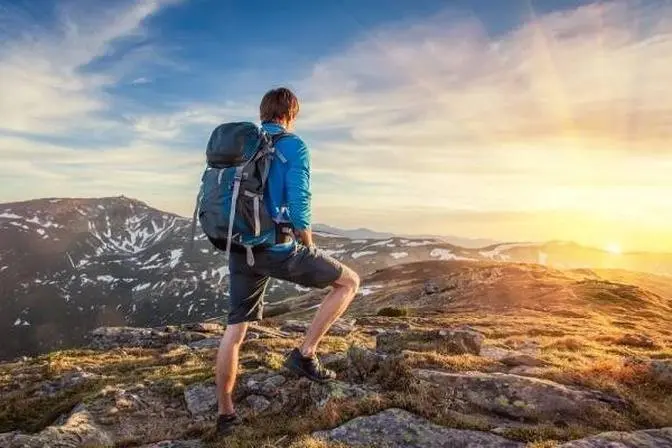
Colombia, a country which many only know
because of its violent past, has been on my list
since I went to South America
for my first long-term trip in 2012.
Six years later, and with five weeks to spend,
it was finally time to properly explore
my country number nine on the continent.
Now, for the first part of the trip,
I'll be traveling with my mate David
to the historical city of Cartagena,
some picturesque Caribbean islands.
Woo, that looks nice.
And to the city of Medellin,
where we get to learn about the violent past
and the transformation of the country.
A former property of Pablo Escobar.
After a few days in the capital Bogota,
I'll be joined by my good friend Stefan
to learn salsa and take on some auto adventures in Cali.
It's about 2,600 meters.
Before heading up to Santa Marta,
where we check out the most beautiful beaches,
float down rivers, and hike through the mountains.
Coconut, fresh from the trees here.
Welcome to Exploring Colombia.
Colombia is largely situated in the northwest
of South America, and shares a border
to the northwest with Panama,
to the east with Venezuela and Brazil,
and to the south with Ecuador and Peru.
Even though Bogota was my first stop in Colombia,
I only went there to meet my buddy David,
who you might remember from my Iran series last year.
In Bogota, we hopped on a flight to Cartagena,
as we were both in need for some sun
after spending most of the winter in Europe.
Welcome from Cartagena.
We just arrived at our hostel,
which has a rooftop jacuzzi, a little rooftop terrace.
David is chilling over there.
And this is the hostel, basically.
To start things off here in Cartagena,
we take part in a free tour to get an overview
of the old town and all the things
you need to see here in the city center.
The tour we joined took us to the old town,
and with that, to the main sights of the city.
Cartagena is a major port, founded in 1533.
It was strategically located between the Magdalena
and Sino rivers, and became the main port
for trade between Spain and its overseas empire,
establishing its importance by the early 1540s.
During the colonial era, it was a key port
for the export of Peruvian silver to Spain,
and for the import of African slaves
under the Asiento system.
Nowadays, Cartagena has a population of about one million,
and is the fifth largest city in Colombia.
In 1984, Cartagena's colonial walled city and fortress
were designated a UNESCO World Heritage Site.
Next thing on our list is the Castillo San Felipe,
but first we have to climb up to earn these views.
The Castillo San Felipe de Barajas is a fortress
located on the hill of San Lazaro in a strategic location,
dominating approaches to the city by land or sea.
It was built by the Spanish during the colonial era
in 1536, and significantly expanded in 1657.
Its name was given in honor of Philip IV of Spain.
The Castillo was built in a triangular shape
on top of the hill, with eight batteries
and a garrison of 20 soldiers and four gunners.
The fortification consists of a series of walls,
wide at the base, and narrow toward the parapet,
forming a formidable pattern of bunkers.
Another cool thing to do in Cartagena
is to walk the old city wall,
which is especially cool in the afternoon
when you have the best light
to take some awesome photographs.
And this is also where you can see the contrast
of the old city and the new.
Cool spot.
The historic center of Cartagena is surrounded
by altogether 11 kilometers of defensive walls.
But we only walked half of it,
and were ready for a more relaxing activity
after a long day of exploration.
And how to finish off an afternoon walk
on the old city wall?
That's the Capi del Mar, which is probably
one of the best spots to watch the sunset.
All right, it's time to have some typical Caribbean dinner.
So we came to La Mulata to have some ceviche.
La Mulata is one of only a few typical Caribbean restaurants
in the old town, which still offer an authentic atmosphere
and great local cuisine for fair prices.
If you like fish, you will love this place.
Today, we drove one hour up the coast
from Cartagena to El Totumo.
This is a volcano filled with hot mud,
and we're basically here to take a bath in it.
This volcano is 23 meters high
and has a depth of 2,300 meters.
So I mean, not the mud, but volcano in general.
After that quite weird but unique experience,
we went back to Cartagena to show you another part of town.
We're now walking through the neighborhood
where we're staying.
It's called Getsemani, and it's a really cool area.
This is the up-and-coming neighborhood,
right next to the old town.
Getsemani was the area where our hostel was located
and is home to many hotels, bars, and restaurants.
Over the past few years,
it has become Cartagena's hippest neighborhood
and one of Latin America's newest hotspots,
with plazas that were once the scene of drug dealing
being reclaimed and old buildings
being turned into boutique hotels.
This is also where you can find
another recommendable restaurant
with good food and fair prices.
We're now in El Totumo,
it's dinner time again,
and we went to a restaurant in our neighborhood
called Cocina de la Pequina.
And here we have some typical food from Cartagena.
This time it is meat.
Cartagena was nice,
but now it's time to explore some Caribbean islands.
This is why we're headed to the Islas de Rosario today.
So we take a boat here from the port
and then we spend two nights on a beautiful Caribbean island.
Sweet!
After a one hour boat ride,
we arrived at Isla Grande at Paraiso Secreto,
which means the secret paradise,
and it truly is the paradise.
The Ola House over there is where we're staying,
and now we're gonna check out the rest of the island,
and of course, the beach.
The really cool thing about Paraiso Secreto
is that it is a hostel collective
in what used to be the holiday home
of the Emerald Mafia in the 70s.
The seven hostels are located
in near identical former luxurious mansions.
We stayed at the Golden Frog
and really enjoyed the chilled atmosphere,
but the closest mangrove-free beach from there
is located a 10 minute walk
at a tiny nearby restaurant named La Pola,
which quickly became our regular dinner and hangout spot.
Even so, this island is called the Big Island,
it is not really that big.
It's about a 40 minute walk to the furthest point,
and we're now on a little stroll,
going to the capital city in the middle of the island,
and to the other beaches.
We just made it to the big city, Orica.
This is the capital of the island.
Ooh, that looks nice, after about 20 minutes of walking,
we made it to the biggest beach on the island, Playa Libre.
I think this is the perfect place to go for a swim.
But of course, you can also find places
like this private beach club on this island,
which is called Bora Bora,
where you can relax, have some drinks, eat,
and just spend the day chilling by the sea.
The next morning, we had to get up super early
in order to catch a local boat at six
to bring us back to Cartagena,
which turned out to be the worst choppy ride I had
during my entire time in Colombia,
but we made it safe to Cartagena.
We have some breakfast here in Cartagena,
and then we take the bus, and then we take a motor taxi,
and then we'll be in Rincon del Mar.
Getting to Rincon is a true adventure.
First, we crammed ourselves into a local bus to San Onofre,
from where only a dirt road leads
to the remote village of Rincon.
We arrived at San Onofre,
and now we're taking these motor taxis.
The third stop for our time in Cartagena
is actually a little fishing village
three hours south of Cartagena
to get a taste of the local life
and to be in a spot with way less tourists,
and Rincon del Mar totally is a spot for this.
With its tranquil atmosphere
and due to its location lack of tourists,
Rincon quickly became one of our favorite spots
in the area of Cartagena.
The locals were super friendly,
the prices for good food straight from the source were low,
and the beach was simply perfect.
With nobody trying to sell you souvenirs,
this truly was a place to enjoy.
Today, we're making a tour to the San Bernardo Islands,
and one of these islands is a really special one
because it's the most populated place on earth.
It is called Islote and has about 493 inhabitants
on a really, really small area.
Next stop on our little island tour is Mucura Island.
Really cool place, pretty green,
super nice clear waters, great beaches.
Just walk around for an hour
and then head on to the next spot.
And the third spot on this tour is the Isla Tintipan,
another beautiful island, crystal clear waters,
perfect spot to go for a swim
or to have a beer by the beach.
With our batteries charged up,
David and I were now ready for the next chapter of the trip,
which brought us to Medellin,
to learn more about the recent history of Colombia
and to pay a visit to one of the most
incredible panoramas in South America.
Hello and welcome to Medellin,
which is the second largest city of Colombia
and full of contrasts.
So let's go out there and explore the city.
To start things off in Medellin,
we're also taking part in a free walking tour
to get an introduction to the city.
With 2.5 million inhabitants,
Medellin is the second largest city in Colombia
and the capital of the Department of Antioquia.
During the 19th century,
Medellin was a dynamic commercial center,
first exporting gold, then producing and exporting coffee.
At the beginning of the 21st century,
the city regained industrial dynamism
with the construction of the Medellin Metro commuter rail,
liberalized development policies,
improved security and improved education.
The most recent survey on the global status
of the smart cities catalogs Medellin
as one of the best cities to live in South America,
sharing first place with Santiago de Chile
and alongside Barcelona and Lisbon in Europe.
Interesting thing about this tour
is that it shows the transformation of Medellin.
So apart from seeing the main sites,
you also get to see some neighborhoods.
This one, for example, was built on a garbage pile.
So we get to learn a little bit about the history
and the transformation of the neighborhood
from a garbage pile to an actual neighborhood
with a park on it.
Getting around in the city is safe and easy
by using the very modern metro system
and the gondolas.
This way, we could easily access all the sites
and tour starting points mentioned in this video
from our neighborhood, El Poblado.
With its many hotels, hostels, restaurants, bars and clubs,
El Poblado is the most popular neighborhood
in all of Medellin for travelers.
It's really colorful, a bit touristy,
but therefore also very safe.
A good spot to base yourself in.
For the first part of our stay in Medellin,
we decided to get a nice five-star hotel
because it was super cheap,
just 60 euros per night for two people
with breakfast included.
And this view is incredible.
Great way to arrive in Medellin.
Another reason why we chose to stay in this hotel
is the rooftop spa.
We have a jacuzzi here, saunas over there,
and an incredible view as well from here.
It's dinner time in El Poblado
and we found a restaurant, which is a little bit hidden.
Looks pretty cool.
Let's check it out from the inside.
One of the reasons why Medellin is such an attractive city
are the many parks you can find here.
Little escapes from the hustling and bustling city.
One of the most beautiful is the Jardin Botanico,
the botanical gardens,
which are located right next to the university.
So you can drive with the metro
to the Station Universitat.
Then it's just a two-minute walk to enter the park,
which is totally for free.
I'm now inside the Orchideorama,
which is a wooden structure built to collect rainwater
and to shelter orchids and many butterflies.
Because Medellin is located on many hills,
you can also take the cable car to get up those hills.
And this is probably the mode of transport
with the best views.
So it's a good idea to hop on one of these cable cars
during sunset to see the scale of the city here.
Pretty impressive.
This way, you can also access the huge Arvi Park,
a nature reserve,
which is the largest of its kind in the country.
It covers 16,000 hectares
and it is equipped with 54 miles of walkable trails,
a place you can easily spend the whole day at.
We're on a walking tour through Comuna 13,
which also has a really violent history.
Medellin was once known
as the most dangerous city in the world,
a result of an urban war set off by the drug cartels
and urban militias.
During that time, Comuna 13,
one of Medellin's poorest neighborhoods,
was the most violent area in the city.
After the death of Pablo Escobar in 1993
and the demobilization of the remaining urban militias
between 2003 and 2006,
crime rates in the city have decreased dramatically
and the city, as well as this neighborhood, transformed.
Since then, the homicide rate has decreased by 95%
and extreme poverty by 66%,
thanks in part to a string of innovative mayors
who laid out plans to integrate the poorest
and most violent hillside neighborhoods
into the city center in the valley below.
Social exclusion has eased
due to the development of a transport infrastructure,
the metro, a new system of public buses,
and gondolas called metrocable
in the poorest barrio communities.
An electric escalator the size of a 28-story building
was inaugurated in 2011,
enabling residents of the city's
elevated Comuna 13 neighborhood
to safely ride down the steep hillside,
making it one of the first of its kind in the world.
To put things into perspective,
Medellin is now considered safer
than U.S. cities of Baltimore, St. Louis,
Detroit, and New Orleans.
As we're staying for a week in Medellin,
we decided to also check out a hostel
and we found a pretty new boutique hostel here.
It is called Rango Hostel,
and here we also got a twin, pretty stylish.
Given the wide range of restaurants in El Poblado,
we chose to go with Peruvian food that night
before getting up early the next morning for our tour.
Today we drove two hours out of Medellin
to visit one of the most popular spots around Medellin,
El Peñol de Guatapé, which we're about to climb now,
which has probably one of the best views in the area.
El Peñol de Guatapé is a 220 meter high
granitic rock remnant that has resisted
weathering and erosion, likely as a result
of being less fractured than the surrounding bedrock.
A viewing spot, which can be accessed over 650 stairs,
was built on top of the rock,
overlooking a dramatic series of lakes and islands.
So what do you think, David?
It's great.
You're so excited.
I guess you're more exhausted than excited.
It's worth the stairs.
We are now on a former property of Pablo Escobar.
It was one of his favorite villas,
and it's also right by the lake.
And I was for a long time debating if I should include that
in this video because it is part of the tour,
but I decided to do so because it is also part
of the history of Colombia.
Even though it affected many people,
and many people died and had to suffer from that time,
it is important to show it.
Pretty tough story, actually.
Nowadays, you can come to this property
and you can see the remains of the house,
and it was actually called Finca de la Manuela,
and this was the name of his daughter.
Let's have a look at the buildings.
This house nowadays is used to play paintball, actually.
And in the house itself, you can still find some holes.
And these holes, they actually found money here
because Pablo used to hide a lot of money on his properties.
After the success of the show Narcos on Netflix,
I felt like many foreigners tend to forget
about the impact and the many victims
by looking at the history of Colombia more like a movie.
But our guide did everything to shine light
on all sides of the story,
especially the many victims of that time,
which made roaming the property
a pretty spooky experience, actually.
And our last stop on this tour is the town of Guatapé,
which is meant to be the most colorful town
of the whole region of Antioquia.
Guatapé's beautiful and scenic town
On the next day, we were in traveling mode again
as David needed to catch his flight back home from Bogota,
where I had another three weeks in Colombia.
But before saying our goodbyes,
we wanted to spend a few days
to explore the capital city properly.
Bienvenidos a Bogota, the biggest city of Colombia.
So let's explore the capital.
Let's go.
Bogota is located in the center of Colombia on a high plateau making it the
third highest capital in South America after Quito and La Paz at an average of
about 2,640 meters above sea level. The city is the political, economic,
administrative, industrial, artistic, cultural and sports center of the
country. To learn more about the history while seeing the main sights we took
part in a free-walking tour in the old town. One of the first things we learned
was that after being founded by Spanish conquistadors in 1538 Bogota became the
capital of the independent nation of Gran Colombia after the War of
Independence in 1819. Until its end in 1831 Gran Colombia was one of the most
powerful nations on the planet and included the territories of present-day
Colombia, Venezuela, Ecuador, Panama, northern Peru, western Guyana and
northwest Brazil. The tour took us through the historical district of the
city called La Candelaria which is home to many museums, colonial buildings, some
cool graffiti and the famous Teatro Colón. Here you can also find the main
square of the capital called Plaza Bolívar where the Palace of Justice, the
primary cathedral, the national capital, home of the Congress of Colombia and
Bogota's city hall, the Lievano Palace are located. After altogether three hours
filled with interesting history and sightseeing it was time for us to try
out a popular local dish.
We're now in a restaurant called La Fuerza Falsa and the thing to have here is chocolate with cheese.
When in Bogota you could either stay in the neighborhood called La Candelaria
which is the historical city center where you can find most of the spots to
visit, pretty safe at daytime, at night time a little bit dodgy or you stay at
the Zona Rosa which is where you can find most of the restaurants, bars, great
nightlife and also cool parks like this one here, the Parque Virrey.
And the third option I wanted to show you is renting an Airbnb and for this I rented a
pretty sick one for just about 55 euros per night. It sleeps five people and it's
an amazing rooftop apartment fully equipped with a kitchen, with a seating
area to enjoy the view over Bogota. So over here a little table, another big
couch which can be actually folded to a full bed which sleeps two people. We have a
mattress also, there is a bicycle you can use, then there is bathroom number one
and of course I also wanted to show you the master bedroom which can be accessed
through the bathroom which can be found here. Fully equipped bathroom with bathtub,
shower, toilet of course and this is the master bedroom with television. Look at
that, that's one of the best YouTube channels you can subscribe to. Yeah, as I
said, full program, Wi-Fi, working area, great deal, 55 euros. What a great place!
And when you are in Bogota you should check out Andres Caber de Reis which is
not a typical restaurant, it's more like a theme park. Let me show you why.
But of course Bogota is also the right place to dance the night away. Is it
breakfast time David? Yes it is. We have like a proper hipster breakfast here.
Look at this, a bowl, arepa with roast beef, egg and guagua sauce and of course a
fresh juice.
Another cool thing to do in Bogota is to head up the Cerro Montserrat. This is where
you can enjoy the probably best view over the city. This is where you can see the
scale of the city. We are here on 3,200 meters. It is Sunday, that's the best day
to actually visit because a lot of people are here so it's pretty safe to visit.
Montserrat is a mountain that dominates the city center of Bogota. Besides the
church which was built in the 17th century, the summit contains restaurants, a
cafeteria, souvenir shops and many smaller tourist facilities. All downtown
Bogota, south Bogota and some sections of the north of the city are visible facing
west, making it a popular destination to watch the sunset over the city.
When in Bogota, I thought I'd also visit a good friend of mine from Hamburg who
actually opened a burger place here. The Gourmet Burger Bar, Bogota. So here's my
boy Darren, who used to be a barkeeper in Hamburg and now he exported. Best thing
about Hamburg, hamburgers.
And you need to order his signature burger which is the Aussie burger because
Darren is actually from Australia. So here we go, onion rings and the signature
burger with fried egg on top, cheese. Oh yeah, and with that comes my favorite
beer here, Tres Corrieras. So David, what do you think?
Definitely the best burgers here in the city.
Not biased at all.
Sadly, this was our last evening together as David had to fly home the next
morning. But I didn't have to wait long until another friend of mine joined me
for the second half of the trip. After Stefan's arrival in Bogota, we hopped on
a flight to Cali to start his time in Colombia off in style with salsa and
hiking.
Hola amigas y amigos, bienvenidos a Cali. In this episode we're going to explore
the city of salsa and we're going to do some day trips out of the city. This time
with me is my buddy from Germany, Stefan.
Hey guys.
Santiago de Cali, usually known by its short name, Cali, is the capital of the
Valle de Cauca department and the most populous city in southwest Colombia.
Before we explored the city, we wanted to get an overview of the area by doing a
very popular hike.
And to start things off with my hiking buddy, Stefan, we are hiking up to the
Cerro de las Tres Cruces, the hill with the three crosses, to get an overview of
Cali. And we already have on the way up a pretty nice view.
How are you feeling?
Last part, we're almost there.
If you're not keen to hike all the way up and take a car to the Tres Cruces, make
sure to head a little bit down the hiking path because from here you have way better
views than from up there. You can also see the other Cerro which is popular for the
views and it has a Christ statue on it so it's a little bit like the one in Rio de
Janeiro. Real cool view from here.
Regarding accommodation in Cali, the first option would be to stay in a hostel like
this one. This is the Cailum Hostel which we chose because it has a great atmosphere
and some really nice common areas. And here we're staying in a private room in a
twin and this is just 25 euros per night, breakfast included per room.
Since we are in the salsa capital of the world, we need to learn some salsa in
Cali, right? And this is the instructor right here.
Hey, what up?
We're doing a little group class now.
Let's get the party on.
Of course we also need to try the typical food from the Cauca Valley and that's why
we came here to the Obelisco restaurant. It's the Hotel Obelisco and the restaurant
of the hotel. Here I have Rulada which is basically kind of a lemonade made out of
lulu, typical fruit from Colombia.
Then we have Aborajadas. These are plantains filled with cheese and fried.
Then we have Maranitas. These are green plantains filled with chicharrones.
This is pork belly with two sauces.
Then we have fried filled potatoes. They are filled with pork and we have manadas
filled with pork.
Let's see. Ooh, look at this. Cheese inside of a banana.
Banana filled with cheese. Such a great idea.
As Cali is the capital of Salsa, of course they also have a monument dedicated to one
of the most famous musicians. His name is Jairo Varela and he was the founder of
Grupo Niche and he's from Cali.
And the monument you see here is basically a big trumpet and when you go into the
trumpet you can hear Salsa music.
Let's see.
Another thing to do if you want to check out the city center of Cali is to walk
along the river.
So you basically start at the church, then you walk along the river in the park
till you get to the area of San Antonio where you can find all the restaurants,
bars and cafes and a lot of street art too.
As the only major Colombian city with access to the Pacific coast, Cali is the
main urban and economic center in southwest Colombia and has one of the fastest
growing economies in the country.
And we're now in San Antonio and as I said this is the hip neighborhood of the
town, pretty safe place.
San Antonio is the most traditional neighborhood of Cali. In the colonial age
it was the extension of the downtown. The entire neighborhood is on a hill.
At the top you will find the San Antonio park.
And when you walk around San Antonio you should definitely visit the Iglesia de
San Antonio for the amazing view you have from here over Cali.
The next attraction we're going to see here is El Gato del Rio, the Cat of the
Park.
And this is actually a donation by the well-known Colombian artist Hernando
Tejada and besides the main cat there's a whole cat park here with different
sculptures and they're all painted by several famous Colombian artists.
Cali is very close to the Pacific coast and therefore we chose to go to a
restaurant where they serve dishes from the Pacific coast, of course fish.
So here we have, Stefan has a red snapper with plantains fried and rice and I got
kind of a fish stew.
Today we are going hiking. Actually we wanted to do the Pico de Loro which is a
really famous hike here in the area of Cali but it is so rainy and so slippery
that the park rangers told us that it is too dangerous to start this hike.
So our guides found an alternative.
The place is called Amor y Paz, Love and Peace.
And it's almost the same altitude we're going up to.
It's about 2,600 meters.
The Pico de Loro is about 2,800 meters.
So we're still hiking.
It's about two and a half hours to get up there and well, looking forward to it.
The area we were hiking at is called Faragiones de Cali and is a cluster of
mountains in the West Andes of Colombia.
It is located west of the city of Cali and encompasses 150,000 hectares in the
mountains as well as much of the Pacific slope and is an area of very high
biodiversity.
Alright, and we made it to Love and Peace, Amor y Paz.
How is it, Stefan?
Beautiful. Nice views along the way.
We were basically hiking through the jungle and now, what do you have when
you're in Colombia for a snack?
You have fresh fruits. This is a grenadilla.
So let's open that and eat it.
That's better than Snickers.
Fresh fruit.
My favorite fruit here in Colombia.
I eat like three of them for breakfast.
The second half of our trip here in Cali, we are about to spend in the Le Clerc
Boutique Hotel, which is a great option for those of you who want to stay in a
place with a little bit more comfort.
It is night in Cali and we are in for another typical Colombian dinner with a
view over Cali.
This is arroz atolado.
This is rice stuffed with chicken, pork, and beef.
Then we have plantains again, salad, rice, fries, and I have a beefsteak a la
Criolla, another typical Colombian dish.
It is raining in the rainforest.
We drove three hours out of Cali to do another day tour, which is actually
really close to the Pacific coast.
We are now in San Cipriani, where we take motobrujas.
It's this transportation method.
And then we're going to go swimming to get more wet.
So, we made it to San Cipriani.
And now, next up is tubing.
So, we're walking up the hill for one hour.
Then we go swimming.
And then, we're tubing down this river over here.
So, we arrived to the river and this is where we will be tubing down to our
lunch spot.
Look at this crystal clear waters here.
On our last night in Cali, we went to La Topa Tolondra, which is one of the
most famous salsa bars in the city.
On the next morning, we headed back to the Caribbean, where we started this
whole adventure.
This time, our destination was Santa Mata, where we wanted to check out the
most beautiful beaches of the country, try some Colombian coffee straight
from the source, and explore the green, hilly countryside around Minca.
Bienvenidos a Santa Mata.
And the second episode from the Caribbean coast, this time from the western part.
We're going to explore the Tarona National Park, Palomino, and Minca in this
episode.
We're going to start here in Santa Mata, where we only spent one afternoon.
We have a really nice hotel.
Apart from that, there's not so much to see.
This is the beach you can see here.
It's right next to the port.
But tomorrow, I'm going to take you to Costeno Beach.
So, let's do this.
Santa Mata is the capital of the department of Magdalena, and the fourth
largest urban city of the Caribbean region of Colombia.
Founded in 1525, it was the first Spanish settlement in Colombia, and is the
oldest surviving city in the country, and second oldest in South America.
Today, Santa Mata is a major port city.
Beside the small old town, tourism here focuses on the resort-like suburbs
Rotadero to the south, and Taganga to the north.
But it is also the hub for going to all the places I will show you in this
video.
You can't do so much in Santa Mata, but at least you can have a nice sunset
beer here.
So, off to the next chapter.
We made it onto the bus to Tarona.
Actually, this bus goes to Tarona, and then later on it goes to Palomino, and
in between is Costeno.
This is where we will get on.
All right, guys, yesterday I promised you paradise, and here we are.
Our first stop after Santa Mata is Costeno Beach.
Look at that.
And here in Costeno Beach, we are staying at the Tarona Tented Lodge.
Here we got a room with three beds, actually, for 44 euros, with everything
included, which means accommodation, breakfast, and dinner.
And the beach is right in front of these huts.
Isn't that amazing?
Waves are pretty strong, though, so you can't really swim a lot here, but it's
good enough to dive a little bit into the waves and enjoy the sunset, have a
nice cold drink.
Perfect spot to unwind and relax.
Paradise, the best way to cure a hangover after a party at the beach is to
drink and eat coconut fresh from the trees here.
Going with the motor taxi.
After driving for about an hour up the coast from Costeno, we arrived at our
second destination called Palomino.
Palomino is a small beach village which became really popular with backpackers
because of the Rio Palomino, which flows right next to that.
And this river is famous for tubing, so this is what we're here for.
It also has a beach, but it is way more crowded than Costeno Beach.
In Palomino we stayed at the Zoo Hostel, which turned out to be just the perfect
fit for us due to its nice staff and guests and its laid-back atmosphere.
Here we also managed to gather a group of people to go tubing with at the
mentioned river.
After we made the first part, driving up, we're now walking to the Rio Palomino
to go tubing, but first we need to hike up this hill here.
After hiking for about 15 minutes, we arrived at a spot where we go floating.
After floating down this river for about two hours, we're now at the ocean
where we finished this trip.
Pretty cool experience.
And the third stop after Santa Marta is the Tairona National Park.
The park is located about a one and a half hour drive from Santa Marta,
and there are several ways how you can do it.
We are staying in a hotel for two nights inside the park, but there is also
camping.
On the campgrounds in the Tairona National Park you can stay in tents,
you can rent a bungalow.
The cheapest way to stay is obviously in these hammocks, so you can rent
one hammock.
With that comes a locker, and in the locker you can even charge your stuff.
Or you can just visit the park in Tairona in one day.
This means you arrive early in the morning and you do the big hike,
which is about 20, 25 kilometers to see all places, and then you get back
out in the evening.
We decided to stay in a hotel inside the park for two nights to explore
as much of the park as possible.
So today, on our arrival day, we decided to go down to La Piscinita,
a beach where you can swim, and then walk a little bit up the coast
to watch the sunset.
We have arrived at La Piscinita, which is one of the few places
where you can actually go swimming.
We walked a little bit further from La Piscinita, and we're heading now
up to a viewpoint where we can see the best sunset in the park.
Let's check it out.
I think we found the viewpoint, and we have it all to ourselves.
It's incredible.
Here is the jungle, and here is the ocean.
Good morning. We got up at 6.30 today to head to the beaches
before everyone else, because the park opens at 8.30,
so all the day visitors will come to this place here at around 9.
And we are already on the way to the first beach,
which is called Arecife.
So we made it to the first beach, Arecife.
Beautiful.
We arrived at Cabo San Juan, which is the highlight of the park.
It's where you can find two beaches next to each other
where you can swim.
A beautiful spot to swim.
Up there, in the hammocks, you can take a little nap.
Welcome to Minca, which is the last stop on our trip
in the area of Santa Marta.
Minca is a little mountain village located in the Sierra Nevada
about one hour out of Santa Marta.
We're staying here in the Casa Loma,
which is located on a little hill overlooking the whole area.
The perfect place to unwind and relax.
The perfect way to finish this part of the Colombia trip.
Apart from chilling in Casa Loma, of course we are also active here.
And we're now on a little hike to a coffee farm,
which is right out of Minca.
It's about one and a half hours of hiking, maybe two.
And then I can introduce you to one of the most important things
about Colombia, the coffee.
So it looks like we made it to La Victoria,
which is the coffee farm,
where we go on a little coffee tour to learn more about
this little Colombian gem.
With this area, produce more or less than 40% of coffee in Colombia.
By arriving at this little stop,
the best coffee is the most expensive.
Here comes the best part of it, drinking the coffee.
Cheers!
The second spot we are visiting in Minca is called Pozo Azul.
And these are basically waterholes in a river,
where you can swim in.
It's like halfway to the coffee farm we've been to.
Looks good!
So I say, let's get in there.
So we walked a little bit further from the first waterhole,
and we're at this spot and nobody's here.
We have this place all to ourselves.
I'm ready for a little refreshment,
for a little dip into the water.
Good morning from Minca!
For our second day in Minca,
we chose to go for another hike.
And our first stop here is the Marinca Waterfall.
And we got up really early to be here before everyone else.
And as you see, that plan worked out well.
It's now about 9 o'clock,
and I think this is the perfect spot for a morning shower.
After that fresh morning shower,
we now walked up to the second cascade,
which is also not too bad.
And meanwhile, people arrive.
And for the second part of our hike today,
we're heading to Los Pinos.
Another great view you can enjoy here in Minca.
Alright, it was a really rainy hike,
but we finally made it to Los Pinos.
It's pretty cloudy still up here,
but the view is incredible.
And that's a wrap!
Altogether, I spent about six weeks traveling Colombia,
and summed up all my tips and recommendations
in an extra video called
How to Travel Colombia on my channel.
If you want to travel this incredible country yourself,
make sure to head over to my blog,
where you can find a free in-depth travel guide
featuring all the places I visited,
my favorite restaurants,
and all the hostels and hotels I stayed at.
Finally, don't forget to subscribe to my channel
where you can find many more videos from Latin America
full of tips.
Thanks for watching,
and I hope to see you soon on the next one.
Adios!
Bienvenidos a Bogota,
the biggest city...
Underneath these things here,
you can actually hear some salsa music,
so it's here.
Not today, though.
Over there.
It's Sunday now.
It's actually not Sunday,
but it is like Sunday.
Referring to this as a hike,
it's not really the right thing
because it's more like a climb.
People are screaming because of pain.
The cool thing to do here in Cartagena
is to walk along the old city wall
within...
We are in Bogota.
It's now finally time
to explore the city.