
Meet Black-capped Chickadee. Their Curiosities and Peculiar Sound.
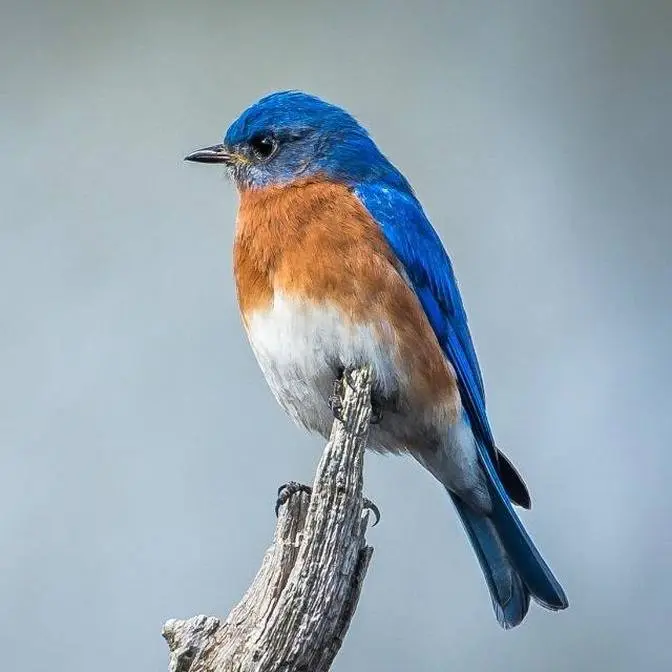
The black-capped chickadee, scientifically known as Poecilatricopilus, is a fascinating
and delightful little bird that can be found across North America.
Despite its small size, this charismatic species has captured the attention and curiosity of
bird enthusiasts and researchers alike.
Here are some interesting facts and curiosities about the black-capped chickadee.
Name and Appearance.
The scientific name Poecilatricopilus derives from the Latin words Poecil, meaning variegated,
and Atricopilus, which translates to black-capped.
This name perfectly describes the bird's appearance, with its distinctive black cap
on its head and a contrasting white cheek patch.
Its overall plumage is mostly gray, with a buff-colored underside.
Vocalizations.
One of the most remarkable aspects of the black-capped chickadee is its vocalizations.
It has a wide repertoire of calls and songs, including the famous, Chick-a-dee-dee-dee,
call from which it gets its name.
Interestingly, these vocalizations are used not only for communication but also for individual
identification.
Each chickadee has a unique vocal signature that allows others to recognize and identify
them.
Memory Skills.
Black-capped chickadees have impressive memory skills.
They can remember the locations of hundreds of different food caches, even months after
hiding them.
This ability helps them survive during harsh winters when food sources may be scarce.
Their keen spatial memory and retrieval skills enable them to locate hidden seeds and insects
efficiently.
Feeding Habits.
These birds are primarily insectivorous but also have an omnivorous diet.
During the summer, they consume insects, spiders, and caterpillars.
In colder months, when insects are scarce, they rely more on seeds, berries, and plant
matter.
Black-capped chickadees are known to visit backyard bird feeders, where they readily
consume sunflower seeds, suet, and peanut butter.
Feather Adaptations.
Black-capped chickadees are well adapted to survive harsh winters.
Their small size and round body shape help to conserve heat.
They also have a high metabolic rate, allowing them to maintain their body temperature during
cold weather.
Additionally, they grow extra fluffy feathers in winter, providing enhanced insulation.
Social Behavior.
These birds are highly social and often form flocks outside the breeding season.
Being part of a flock helps them find food more efficiently and provides added protection
against predators.
Black-capped chickadees communicate within the flock using a variety of vocalizations,
helping them stay connected and coordinate their movements.
Nesting and Breeding.
During the breeding season, black-capped chickadees excavate cavities in trees or use existing
ones, such as old woodpecker holes, to build their nests.
They line the nests with soft materials like moss, feathers, and fur.
Interestingly, chickadees have been known to nest in natural and artificial nest boxes,
making them a popular species for birdhouse enthusiasts.
Lifespan.
The average lifespan of a black-capped chickadee in the wild is around 1.5 to 2.1 years.
However, some individuals have been known to live up to 12 years.
Predation, severe weather, and diseases are the primary factors that contribute to their
relatively short lifespan.
The black-capped chickadee, with its charming appearance, intelligent behavior, and lively
vocalizations, is truly a beloved species among birdwatchers and nature enthusiasts.
Its ability to thrive in diverse environments and adapt to changing conditions makes it
a symbol of resilience and adaptability in the natural world.
So, what did you think of this beautiful bird?
Leave your comment.
If you are new to the channel, please subscribe.
I also ask you to like and share the video.
Thanks for watching and see you in the next video!