
Does Ageing make Liu Bao Better? The taste-off between 2009 and 2021 Tea.
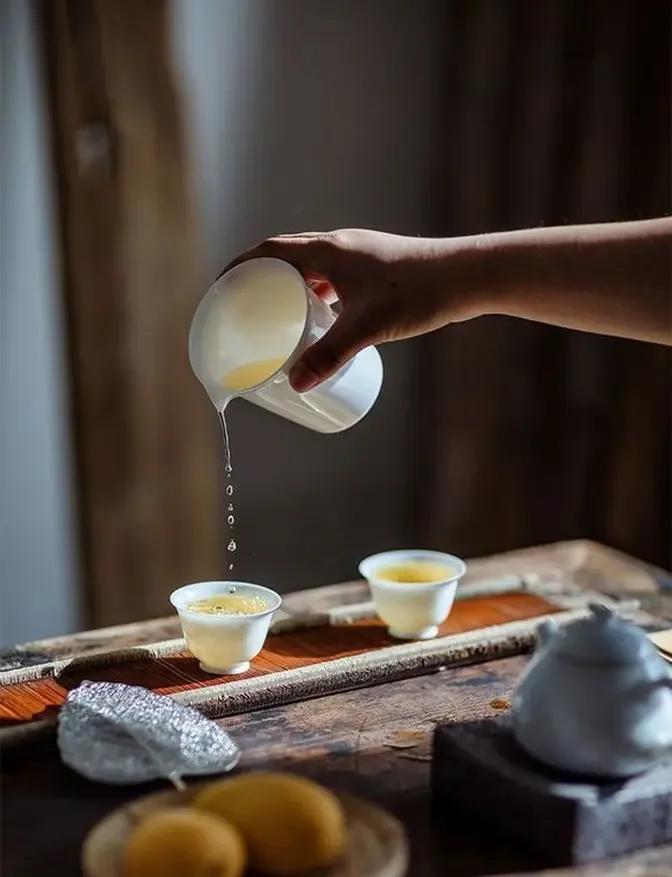
#tea #teaoftheday #thewayoftea #chinesetea #teaculture #tealover #gaiwan #lifeoftea #gongfu #gongfucha
Hey teaheads! This is Don from Mei Leaf. In front of me I have two Liubao teas. If you
don't know what a Liubao tea is then it's a ripened, fermented tea from Guangxi province
in China, and I've done a whole video about Liubao teas, so you can go check it out. I'll
put a link in the description below. So there are two Liubao teas in front of me. These
are both fresh in stock, and I wanted to taste them back-to-back because they're made by
the same producer, but there is 12 years' difference between them in age. So this one
here is from 2021, so pretty fresh, and this one here is from 2009, so 12 years' difference
between them. Liubao tea is basket-aged tea, so it's going through a different ripening
process compared with ripe Puerh tea. However, it's similar, in the sense that it's stored
in a moist environment to allow the microbes on the leaf, or seeded within the sort of
production area, to ferment the tea. So, same producer. Now, of course, every batch of tea
is different. They're actually from slightly different areas in Guangxi, these teas, and
so it's not a perfect comparison. It's not exactly the same bushes just 12 years later,
but same producers, same fermentation style, so it's going to be there or thereabouts.
What I want to try and understand with these kinds of tastings, and I encourage you to
do these kinds of tastings, if you're a lover of tea, you really need to understand the
nuances that processing has on the tea to try to figure out the effect that aging has
on Liubao tea, in terms of texture, in terms of taste, in terms of aromatics, and potentially
in terms of body sensation. Although, of course, that's going to be almost impossible for me
to figure out, because I'm going to be drinking both of them together. So let's take a look
at the leaves. This is spring 2021. This is spring 2009. They're both from the Guangxi
Da Ye Zhong variety. The origin, as I said, they're slightly different parts of Guangxi
province, but the same producer. Picking and processing is going to be pretty much identical,
because of the fact that it's the same producer, and the elevation is around 500 meters. You
can see that the older one has a slightly more broken-up look to it. That's what you'd
expect as tea ages. It becomes a little bit more broken, a little bit more fragile. I
would suspect that it's not just a difference in the look because of picking or fermentation,
but it's also to do with age. But as I said, no two batches of tea are ever the same. That's
why we delight in tea. Interestingly, the older one actually looks a little bit lighter
to me. The texture is slightly more matte as well. Let's see if I can get a close-up
here. The texture is more, I would say, matte here than this one, but there or thereabouts,
a very similar looking tea. Okay, so let's warm these up, and let's do our side-by-side
tasting. I've got my favorite way to do these kinds of tastings, the Gong Fu Solo. So Gong
Fu Solo is a small Gai Wan, and the tulip cup, and it's just the best way, because you
don't need a Gong Dao Bei. You can do things very simply, and therefore you can line up
five, six, seven in a row, and you can do really, really efficient back-to-back tastings,
or side-by-side tastings. So I'm going to heat up this teaware. I love Lyu Bao tea.
I think it's one of my favorite ripened teas. There are quite a few different ripened teas,
or dark teas. If you want to know more about dark teas I'll stick an article in the description
below so that you can read about dark teas. But I love Lyu Bao ripened tea because it's
still made in a very sort of small-batch way for a lot of the teas that we source, and
there seems to be a lot of variation between producers in terms of the fermentation style.
I think that that leads to a lot of diversity in the flavor profiles of Lyu Bao tea. Whilst
I adore, of course, ripe Puerh tea, I just find that that diversity, that difference
between the tastes and experiences of Lyu Bao is unmatched in ripened tea. Okay, so
here we go. Let's have a sniff of the 2021 tea. Now ripened teas, normally, you would
say, should be left for at least a year for that Wu Dui, for that fermentation smell to
dissipate so that you've got a tea that is ready for market. So this is pretty much as
fresh as it gets, but of course we selected it because I found that it was really, really
good, and I really liked it. I should also say, very importantly, that the price difference
between these is big. This one is three times more expensive than this one, so that goes
to show the effect that age has on price. So you've got a young tea here. It's going
to be very, very affordable. Let's see the difference. The smell on this is wild. It's
really interesting. It has a bracing, sort of, I would put it into sort of citrus fruits
like a tangerine peel, but it's a little bit more concentrated. It's a little bit more
purified to like vitamin C and sherbet. So if you imagine you get like sherbet,
I'm talking about sherbet powder, which is essentially ascorbic acid, which is vitamin C.
So if you've ever had vitamin C drinks, or you've tasted pure ascorbic acid, it's got that very
tart, acidic sort of quality to it. That's there. I'm also getting a distinct fresh clay note. So
it's got that as if you've walked into a ceramics studio. So you've got that smell of wet clay,
ascorbic acid, or vitamin C. There's also a touch of herbals, like as if you've taken some
herbs and seeped them in some alcohol. So it's got like a sort of bracing, herbal wine quality
to it as well, and a slightly savory, salted note to it. A little bit creamy. Maybe salted
egg yolks, if you've ever had salted. I think this is mostly salted duck egg yolks,
and it's commonly used in cooking in the Far East. It has a very particular rich and salty note. So
it's salty, it's tangy, and it's got that clay note, but it's all in the lighter territory.
We compare that to the 2009, and I expect a very different experience. Extremely different.
The clays are there, but the clays are richer. So you're getting much more of a rich...
I don't know if it smells different when the clay is older, but it smells more aged. It's got a
leather quality to it. It's got that betel nut quality to it. It's nuttier. It's a darker in
smell. It's definitely more herbal. It's got angelica in the smell as well, angelica root.
So the difference between them is quite extreme. From lighter, slightly brighter,
more of those sort of acidic, sort of citrusy notes, and a light clay note, to really you're
in that ceramics studio, and there's the herbal sort of wines that we talked about with this one
have developed into sort of a rich, angelica root, betel nut quality. Again, you can take a look at
the differences there. Okay, let's give these a rinse. I'm just going to use this water,
since it's still warm. Gong Fu Solo brewing, which is how I do all of my sample tasting,
is just an efficient way to do Gong Fu brewing with a very small footprint. As I said, you can
do multiple teas all together, but you don't have to. A lot of time, in fact, most of my sessions
when I'm sort of at the desktop, if I'm working, is literally this, this, and a towel. Just put a
towel down, which I don't have right here. Put a towel down, that on top, you're done. Okay,
here we go. Let's have a smell of the 2021. Oh my gosh! It's amazing, this bright...
So now I am getting tangerine. Slightly aged tangerine peel. The clay is still there,
but it's the brightness which is so interesting. Maybe a bit of salted plum,
if you've ever had those salted plums. Again, a very classic Far Eastern
thing to eat. I never really liked them. My grandmother did, but they're very, very strong.
But it's that sort of savory to tangy quality, which is so unusual, so interesting, and again,
why I love Lubao teas, because they're just going to bring about all sorts of
very interesting sort of tapestry of flavors that you don't get with other ripened teas.
Other ripened teas, like Puerhs, they can have a lot of diversity, but they tend to sort of
fall into quite distinct categories. I think Lubao is a different experience. Okay, let's
take a look at these leaves. They are different. Oh my gosh! Oh! Like, so different. There's a
bit of carob. The clay is there, the leather is there. I'm going to say also suede. So it's
definitely got more of those sort of furnishing smells, if you know what I mean.
It's also got like more butteriness. I'm getting Brazil nuts, I'm getting peanut butter.
Definitely more nutty, and more leathery, and again, deeper.
So yeah, the difference that the age has made is extreme, and the best overall way for me to say
it is it's moved more into leather and nuts. This one has got that freshness, that brightness,
that tangerine quality. There's also like a bread quality to it as well. I would associate it with
wholemeal bread. So it's got the sort of fibrous husks of the wheat. That smell,
the wheat germ I think it's called. So it's got that wholemeal quality.
This one does as well, but imagine that bread has been slathered with peanut butter.
Both really, really have their own pros and cons, and would just sort of suit different moods.
This one is definitely more potent in terms of its aromatic fog, but it doesn't necessarily
mean that it's better. This has a bright, light, sort of active quality that is very interesting.
Okay, so that one goes over here. Okay, let's brew each one up separately. We're going to
brew for about 25 seconds, and we'll see how the taste differs, and the color of the liquor.
So we expect, you'd expect, that the aged one will be darker. Okay, here we go.
2021 Liu Bao. It's great to have young, ripe teas that are really enjoyable, because they're
such a good price point. They can be your easy drinker, and your daily drinker, and you can
store it, and age it, and sort of increase the aged taste as you go. Okay, cheers everybody.
That Ceramic Studio. I'm getting a plaster or plasticine ceramic that note, which I really
love. I know it sounds weird, but I really love it. I've always loved walking into a pottery
studio. That smell. I'm getting that aged tangerine. It has a Chen Pi quality to it,
an aged tangerine or mandarin peel quality. It's got that tangy acidity that comes from that
vitamin C, but that dissipates very quickly to a sort of an active sweetness that reminds me of
like a dark date syrup. Very juicy. None of that wet-stored taste, and that's one of the advantages,
I think, with basket-fermenting the tea, as opposed to the Wu Dui, or fermentation process,
for ripe Puerh. It's covering it with lots of water, and that has a more musky, sort of
stronger ferment smell that needs to dissipate. With basket-aged teas, I think you can bring
them to the market a lot quicker. 2021, as I said, so it's two years since fermentation,
and it tastes super-clean. Super, super clean. Brown sugar sweetness, or the dark dates. But
yeah, it's just got a lovely, sweet quality. So the overall flavor profile is that
clays, salted plums, and then a little bit of nuts, but light. Maybe like a Brazil nut,
and then that tangerine and vitamin C fizziness and effervescence moves to the brown sugar
and date sweetness. Really lovely. The smell of the empty cup.
I'm getting those bready notes. Warm, sort of, rising bread in there. It's very, very strong.
There's something else. Like a rose hip. So that, again, that fruity tang comes through.
Okay. Same tea producer, different year, 12 years difference. I expect, as I said before,
a darker liquor. I'm going to brew it thereabouts the same amount of time. The smell coming off
those leaves when I put the hot water in is definitely more of those herbal age notes.
So this is going to come down to preference. What do you feel like drinking? Do you feel
and you can see it is darker. Do you feel like something that's sweet and bright, but still has
that ripened taste? Similar to if you've ever had Autumn Light, which is one of our ripe Puerhs.
It's got that sort of lighter ferment quality to it. I don't know if it was fermented lighter here.
The leaves certainly looked like they were there or thereabouts a similar color,
but it has a lighter, more, I would say, fruity, brighter quality to it. Okay. Cheers, everybody.
Herbal. Carib. Ginseng. Angelica. A little bit of dark chocolate in there as well.
Mmm. The color of the liquor is definitely a lot, lot darker, and it's sweeter. Okay.
I'm getting, instead of clay, I'm really getting that sort of fresh soil quality to it. I'm getting
the peanut butter, I'm getting hazelnuts, so much nuttier. The texture is definitely
thicker. So this one was medium, and had an oily texture. This one is thick, and has an oily
texture. So the age has definitely thickened it up. It reminds me of, if you've ever had
red bean soup in China, they have these sweet soups that if it's cold outside they're so nice.
You get this hot red bean soup, and it sounds a bit weird, but it's sweet, and it's just so
comforting. It's got that starchy carbohydrate sweetness in and amongst the herbs and the nuts.
Definitely a richer, deeper, darker flavor. It probably has a bit more sweetness than this one,
although this one is very, very sweet as well. Okay, let's brew them up again,
and we'll brew them up at the same time this time. I'll quickly smell the empty cup here.
So similar potency, but very different palate. This one is darker chocolates. I'm getting
sort of raisins, scorched plums. I'm imagining like a plum that's been somehow like
just sort of scorched in the oven. So there's a slight char on it, but yeah,
those little currents covered in chocolate. All right, let's see the difference in color
visually here. It's great to do back-to-back tastings. One of the most useful things...
The color is not as different as I thought, but it is lighter, the younger one. Yeah,
one of the greatest things to do is back-to-back tastings. It really is the most educative way
to understand the effect of anything. It might be if you're testing clay, teaware,
if you're just sort of comparing two same supplier, different years, or same year,
different suppliers. You know, it's a really, really useful thing to do.
Okay, so let's take a look at the color here. You can see that this one is slightly lighter,
slightly more sort of chestnut-y. This one's more mahogany color. The mouthfeel, before I drink the
young one again, of this aged one is very vaporous. So it's not just thicker, it's also more vaporous,
and it's got that... it's almost got the aftertaste of a really good whiskey.
Sort of that malty, again, more carbohydrate quality to it. So it's got that starchy,
malt whiskey finish in the mouth, with hazelnuts and peanut butters. So nuttier,
slightly sweeter, thicker, more vaporous, more herbal, more deep. Brighter, a little bit more
mineral, but in a really great way. Fresher. The sweetness and the flavor profile is just
up a level in terms of its brightness, and definitely has more fruits compared to nuts.
Here we go. Second infusion, always a winner. Mmm. Amazing. It has like a little
cherry wine or fruit wine quality to it, as if you've taken a light port with like a touch of
pomegranate. It's really, really drinkable, and uplifting. Oh! Amazing, and so, so sweet.
Like that date syrup, like dark agave syrups, brown sugar, but not like deep, deep dark brown
sugar, but brown sugar sweetness. Amazing. Wow! What a tea, at such an affordable price point.
Highly, highly recommended. If you want that Chinese herbal taste, the Ginsengs, then combined
with those nuts and the leathers, and then the carobs and the chocolates, it's just a richer,
more indulgent affair. You could say much more of a sort of daytime drink, much more of a nightcap
drink, but that's very sort of basic generalizations. It depends on your mood, but
highly, highly recommend that you do this back-to-back, because it is remarkable what 12
years of aging difference will do. Albeit, yes, they are slightly different in terms of the area.
There's going to be other factors at play here. It's never going to be identical, but when you
have the same supply it allows you to do this with a lot more sort of purpose. Quickly smell
the empty cups again. I would say this. This is like that luxury Liu Bao taste that a lot of
people look for. This one, however, is in a way more interesting, because it's just so fascinating
how you get that effervescence, and you get that fruity quality to it. The fruit persists here.
Yes, I'm getting the sort of brown sugars, and like a salted fudge note, but I'm also getting
like golden apples that are freshly cut, and that fruitiness is great. Yeah. Just vaporous, sweet,
sticky chocolates and nuts. Let's take a look at those leaves. Now you can see that
the older one is definitely, definitely a lot darker. Two Liu Baos. A wonderful back-to-back
tasting that I highly recommend. I'll see what I can do on the website. I'll probably see if I can
work out some bundle price, because I really think that you should do this comparison yourself. It's
a really useful, enjoyable, and educational way to sample your Liu Bao. That's it teaheads. Check
out our other videos, taste our teas wherever you are in the world by browsing Mei Leaf dot com,
and come visit us if you're ever in London. Other than that, I'm Don from Mei Leaf. Thank you for
being a part of the revelation of true tea. Stay away from those tea bags, keep drinking the good
stuff, and spread the word, because nobody deserves bad tea. Bye!