
8 Types of Green Tea - Japanese tea like Matcha, Sencha, Gyokuro, Hojicha, Bancha, Kukicha and more
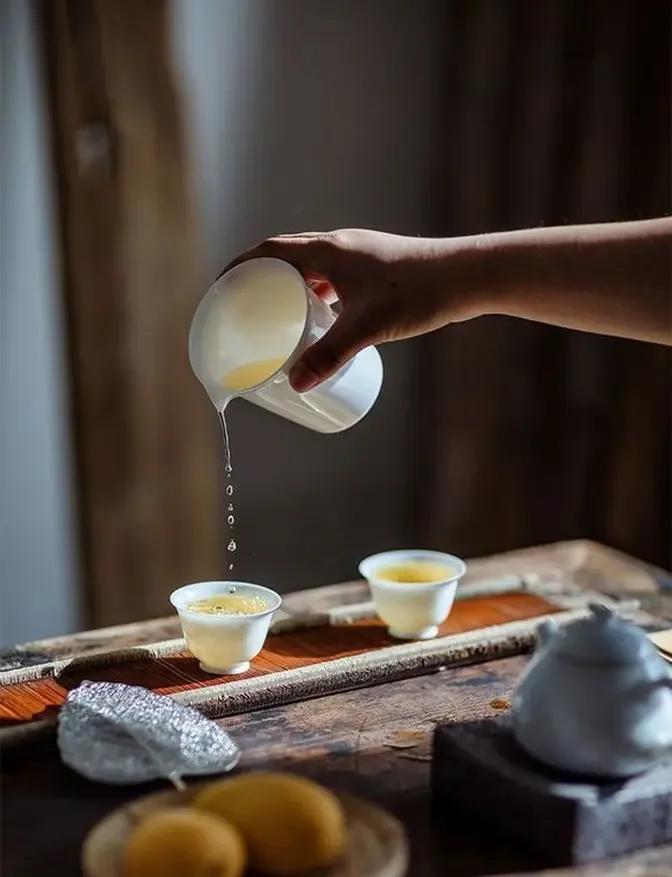
#tea #teaoftheday #thewayoftea #chinesetea #teaculture #tealover #gaiwan #lifeoftea #gongfu #gongfucha
While there are many different types of Japanese green teas, there are eight that have become
the most well-known. In this video, we're going to break down the eight basic types of Japanese
green tea. We'll talk about what they are, how they're made, and what they taste like. Before
we get started, it would really mean a lot to us if you could subscribe to our YouTube channel
and stay tuned for future tea videos. We have hundreds of videos on all sorts of different
topics, but for this video, we're going to focus on a broad overview of the eight different types
of Japanese green teas. Without further ado, let's get started. First, we have Sencha. Sencha is the
It's made from tea leaves that have been steamed, rolled, and dried. In addition to being the most
common type of Japanese green tea, it's also the most diverse category. Sencha can be separated
into three different categories, just based on how long it's steamed for. Most Sencha teas are
steamed for between 60 and 90 seconds, and these are known as chūmushi, or normal steamed teas.
If the tea is steamed for a shorter period of time, it will be called asamushi, or short-steamed tea.
Asamushi teas tend to take on a slightly drier taste profile. They play more on these fresh and
citrusy flavor profiles, with less of the sweetness. This is not necessarily a bad thing, as many tea
drinkers prefer these flavors. Finally, we have fukumushi, or deep-steamed Sencha. This tea is
steamed for somewhere in between 90 to 120 seconds. During this extra steaming time, the cell membranes
of the leaves are broken down, which alters the flavor of the tea. More flavor is able to flow out
of the leaves and into the infusion, creating this strong, cloudy green color. The deep steaming
process really brings out these steamed vegetable characteristics of the tea, but it also removes a
lot of the bitterness. Next, we have matcha tea. Matcha tea has become one of the most famous types of
Japanese green teas because of its use in the Japanese tea ceremony. This is essentially a
powdered green tea, but it has to be made from special tea leaves. First, the tea plant has to be
shaded for three weeks leading up to the harvest. When the tea plant is exposed to sunlight, it
begins to convert the theanine into catechins as a protection against the UV light. These catechins
are actually responsible for the bitter flavors in Japanese green tea. If a farmer wants to reduce
the bitterness in a tea, he will cover the tea plant and maximize the theanine content in the
leaves. After the three weeks are up, the tea plants used to make matcha are harvested. For matcha tea,
only the top three sprouts are used. The tea plant spends all winter long building up nutrients from
the soil and then releases them into the fresh crop of sprouts in the early springtime. These
sprouts are the highest in nutrients and they are also the smoothest and sweetest in flavor. Once the
top leaves have been collected, they are ready for the next phase in the production process.
One step that is unique to matcha is the removal of the stems. The stems detract from the flavor of
a matcha, so they must be removed before the leaves are ground. If this step is skipped and
the matcha tea is ground with the stems, it will make the color a less appealing yellowish green.
This is one of the many reasons why high quality matcha tends to have a greener color. Finally,
the leaves are ready to be ground into matcha powder. To make high quality matcha, the tea
leaves need to be ground in a large granite mill. This stone mill has a complex system of grooves
that pushes the leaves out from the center as they are ground into a finer and finer powder.
If a smaller matcha mill is used, there will be less grooves to grind the matcha powder,
so it will end up being much coarser. It takes these large mills one hour just to produce 50
grams of this precious green powder, but the process is worth it. Next we have gyokoro. Along
with matcha, gyokoro is one of the most sought after teas in Japan. It was originally the tea
of choice for the emperor himself and it still retains the title of the emperor's tea to this
day. To be considered a gyokoro, the tea plant has to be shaded for 21 days or more before the
harvest. During this time, it's difficult to keep the tea plant alive without sunlight. While most
farmers turn to pesticides and chemical fertilizers, organic farmers like Mr. Sakamoto have a more
natural approach. Mr. Sakamoto and his brother had been working on this farm since they were little
kids and when it was their turn to take over the family business, they wanted to grow tea without
the use of pesticides or chemicals. They developed their own organic fertilizer made with a combination
of sedimentary rock and organic compost. This delivers nutrients to the tea plant and allows
it to stay strong and healthy even during long periods of shading. The result is a delicious,
healthy gyokoro produced without the use of chemicals or pesticides. Gyokoro is also known
for its powerful sweet and savory flavor which is perfected during the careful production process.
Some tea masters will push the flavors of this tea even further by preparing it with a lot of leaves
and very little water. The result is a powerful cup of gyokoro tea with a thick consistency.
When you drink gyokoro from a small glass like this, you are savoring not only the flavor of
the tea but also the consistency as it glides over the top of your tongue drop by drop. Next
we have hojicha. Hojicha is another well-known type of Japanese green tea. This is made from
roasted green tea leaves. The color of the tea leaves is anywhere from a light to dark brown
and the infusion becomes a dark red brown color. Even though it looks like a type of black tea,
it is actually a green tea. Whether it is a black tea or green tea has nothing to do with the color
but rather the oxidation of the tea. After the tea leaves are picked, they will begin to oxidize
and the catechins will be converted into theophyllabins. If a tea is allowed to oxidize
fully, it will become a black tea and take on a much warmer taste profile with notes of caramel,
cinnamon, and cooked fruit. To produce a green tea, a farmer will heat the leaves directly after
harvest. This deactivates the enzymes that cause oxidation and prevents the tea from
turning into a black tea. Hojicha goes through a normal process of a regular Japanese green tea
but then it goes through the additional step of roasting. During the roasting process,
the tea leaves change from green to brown and the tea trades these fresher, more vegetable taste
characteristics for warmer notes of coffee, caramel, and chocolate. Hojicha tends to be made
from the older leaves and stems of the tea plant while the younger tea sprouts are reserved for
teas like sencha, matcha, and gyokoro. Hojicha was originally invented as a way to make use of the
leftover leaves from the tea production. A tea merchant in Kyoto found that when he roasted
these leaves and stems, they produced a wonderful flavor and aroma. This soon gave rise to the
Genmaicha. While all teas come from the tea plant, Camellia sinensis, certain teas can be blended
with other ingredients. These are known as blended teas and the most popular type in Japan is
Genmaicha. Genmaicha is made by combining tea leaves with roasted rice. This originated as a
way to make tea last longer during difficult times but now it's a tea enjoyed by many all
around the world. The addition of the toasted rice adds a nice warm cereal note to the tea
and pairs quite well with the flavor of the tea leaves. The toasted rice also brings down the
Kukicha. Kukicha is a stem tea made from both the leaves of the tea plant as well as the stems.
While these stems are usually discarded from the tea production, they are celebrated in kukicha.
The stems give the tea a mild straw flavor and more minerality. The stems also bring down the
caffeine content. The stems of the tea plant contain around one-third the caffeine of the
leaves so depending on the ratio of stems to leaves, kukicha can be very low in caffeine.
Karigane is another type of stem tea but it's made from tea plants that have been shaded like
those used to produce matcha and gyokoro. This tea will have a darker green color,
a smoother and sweeter flavor, and will also have slightly more caffeine. The addition of
the stems makes karigane much milder compared to gyokoro so karigane is a good way to experience
some of these sweet and savory flavors without being overwhelmed. While hojicha is a fully
roasted tea and sencha is an unroasted tea, karigane is partially roasted. This partial
roasting process is carried out in a hot pan, making the production of this Japanese green tea
more similar to that of a Chinese green tea. Roasting the tea leaves in a hot pan imparts
some warmer flavors into the tea. Kame-iracha takes on more of these roasted almond and cashew
notes which a lot of tea drinkers really enjoy. Kame-iracha is very rare in Japan as a whole,
but in some areas it is produced as a specialty. In the area of Miyazaki in southern Japan,
small farmers like Mr. Isson are able to craft incredible pan-fired green teas like the Kame-iracha
Isson. Mr. Isson also produces a hojicha which he will roast in a pan for a longer time at a
higher temperature to produce the fully roasted tea. Bancha. After sencha, bancha is the most
common type of green tea in Japan. This is a far less expensive tea made from the older,
more mature leaves of the tea plant. This tea is higher in minerals and lower in caffeine.
The tea plant produces caffeine as a defense mechanism to protect itself against insects.
It produces more caffeine around the younger, more tender tea leaves as these are more vulnerable.
The thicker and tougher leaves lower down in the tea plant produce less caffeine,
and as a result the teas made from these leaves will be lower in caffeine.
Some people like to drink bancha tea after a meal. Apparently the tea can help with digestion,
and because it's high in minerals and low in caffeine, it makes sense to drink it later on
in the day. The flavor of bancha has more of these earthy, wooden, or cereal notes,
making it very different from most sencha teas. If you're interested in trying any of the teas
mentioned in this video, you can find them all on our website neoteas.com. These teas are a
of the best teas we found during our travels around Japan. We've met with dozens of farmers
and sampled hundreds of teas grown without the use of pesticides and chemicals, and these are
a few of our favorites. If you want to try them all at once, you can also try out one of our
samplers. Which of these teas is your favorite? Be sure to let us know in the comments below.
If you have any questions about Japanese green tea or tea in general,
please feel free to reach out to us and we'll be more than happy to answer you. Again,
it would really mean a lot to us if you could subscribe to our YouTube and also support us on
our website neoteas.com. Until then, we'll see you next time.