
VILLA D'ESTE Patrimonio Unesco - TIVOLI - HD
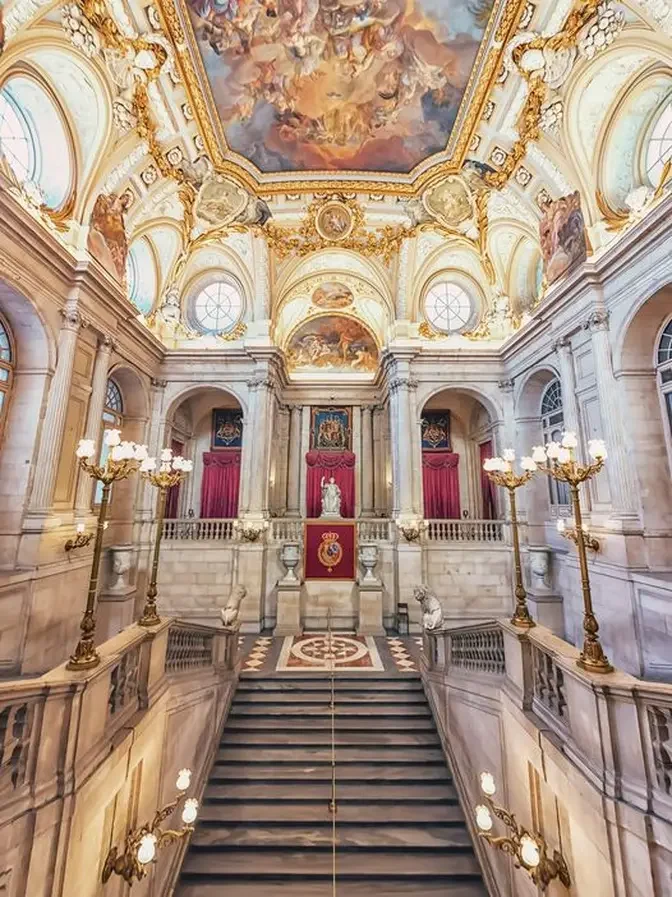
Villa d'Este, a masterpiece of the Italian garden is included in the UNESCO list of world heritage, with the impressive concentration of fountains, nymphs, caves, water games and hydraulic music is a model repeatedly emulated in the European gardens of mannerism and the baroque. The garden is also considered in the extraordinary landscape, artistic and historical context of Tivoli, which presents both the prestigious remains of ancient villas such as Villa Adriana, and a territory full of sheds, caves and waterfalls, symbol of a millenary war between stone and waters. The imposing constructions and terraces on terraces suggest the hanging gardens of Babylon, one of the wonders of the ancient world, while the adduction of the waters, with an aqueduct and a tunnel under the city, recalls the engineer wisdom of the Romans. Cardinal Ippolito II D’Este, after the disappointments for the lack of papal election, had the glories of the courts of Ferrara, Rome and Fointanebleau revive here and reborn the magnificence of Villa Adriana. Governor of Tivoli since 1550, he immediately cared for the idea of creating a garden in the cliff slope of the "Gaudent Valle", but only after 1560 the architectural and iconological program of the villa was clarified, conceived by the painter-archaeologist-architect Pirro Ligorio and made by the architect of Corte Alberto Galvani. The halls of the palace were decorated under the direction of protagonists of the late Roman mannerism such as Livio Agresti, Federico Zuccari, during Alberti, Girolamo Muziano, Cesare Nebbia and Antonio Tempesta. The accommodation was almost completed to the death of the Cardinal (1572). From 1605 Cardinal Alessandro D'Este started a new program of interventions for the restoration and repair of damage to vegetation and hydraulic systems, but also to create a series of innovations to the garden structure and the decoration of the fountains. Other works were carried out in the years 1660 - 70, when Gianlorenzo Bernini was involved. In the eighteenth century, the failure to maintain the decadence of the complex, which worsened with the transfer of ownership to the Habsburg House. The garden was slowly abandoned, the hydraulic games, no longer used, went to ruin and the collection of ancient statues, dating back to the time of Cardinal Ippolito, was dismembered and transferred elsewhere. This state of degradation continued uninterrupted until the mid -nineteenth century, when Cardinal Gustav von Hohelohe, obtained in emphyteusis the villa from the Dukes of Modena in 1851, started a series of works to remove the complex from ruin. The villa thus began to be a cultural reference point, and the Cardinal often hosted, between 1867 and 1882, the musician Franz Liszt (1811 - 1886), who composed water games in Villa d'Este, for piano right here , and he held, in 1879, one of his last concerts. At the outbreak of the First World War, the villa became part of the properties of the Italian state, was open to the public and entirely restored in the years 1920-30. Another radical restoration was performed, immediately after the Second World War, to repair the damage caused by the bombing of 1944. Due to the particularly unfavorable environmental conditions, the restorations have since followed almost uninterruptedly in the last twenty years (among these must be reported At least the recent restoration of the body's fountains and the "birds song").