
The Andrea Pozzo's illusionistic technique in the St Ignatius' Church in Rome (manortiz)
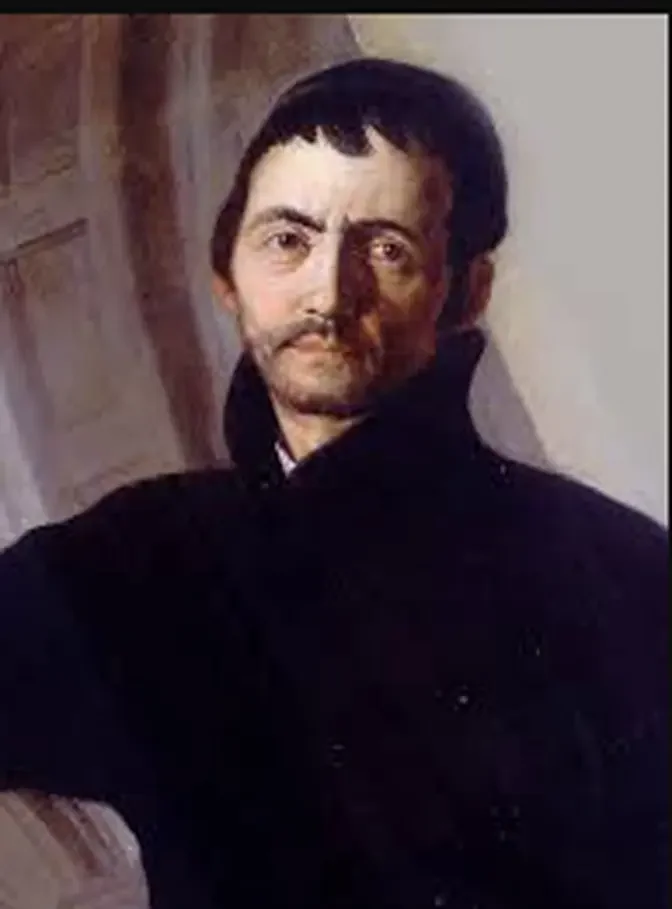
Andrea Pozzo (Latinized version: Andreas Puteus; 30 November 1642 - 31 August 1709) was an Italian Jesuit Brother, Baroque painter and architect, decorator, stage designer, and art theoretician. He was best known for his grandiose frescoes using illusionistic technique called quadratura, in which architecture and fancy are intermixed. His masterpiece is the nave ceiling of the Church of Sant'Ignazio in Rome. Through his techniques, he has become one of the most remarkable figures of the Baroque period.
His masterpiece, the illusory perspectives in frescoes of the dome, the apse and the ceiling of Rome's Jesuit church of Sant'Ignazio were painted between 1685--1694 and are a remarkable and emblematic creation of High Roman Baroque. For several generations, they set the standard for the decoration of Late Baroque ceiling frescos throughhout Catholic Europe. Compare this work to Gaulli's masterpiece in the other major Jesuit church in Rome, Il Gesù.
The project had not started upon the church's completion; Sant'Ignazio remained unfinished even after its consecration in 1642. Disputes with the original donors, the Ludovisi, had stopped construction of the planned dome. Pozzo expediently proposed to make an illusionistic dome, when viewed from inside, by painting on canvas. It was impressive to viewers, but controversial; some feared the canvas would soon darken.