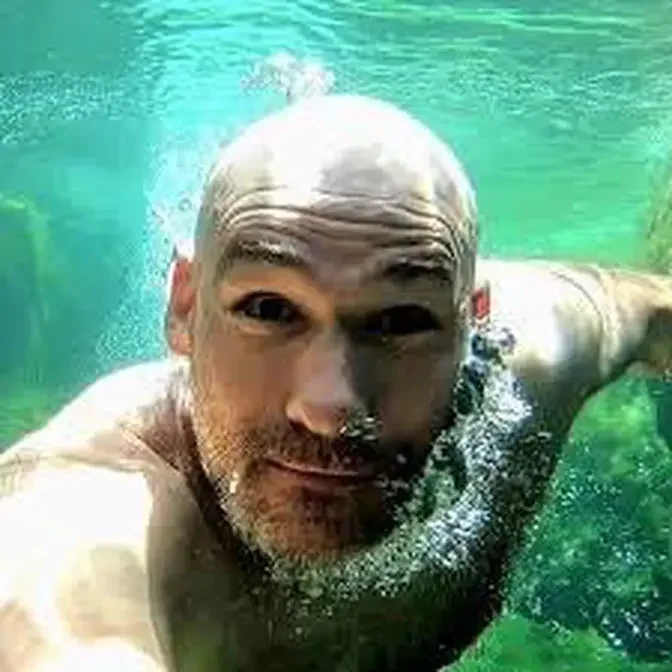
We left Los Angeles on July 18th and have been road tripping up the West Coast ever since. Now, after a month on the road, I talk about all the costs involved in our road trip up till this point and give you tips on how you can get your costs down even lower.
I make outdoor adventure travel videos to inspire you to take your next trip and get outdoors. Life is short and there are so many interesting people, places and things to learn about and experience. Join me on my journey, SUBSCRIBE AND become a part of Team Infamous.
My name is Jesse St Louis (AKA Infamous JSL) and I'm an actor that likes to go on awesome adventures between gigs. I've been called a "no frills Bear Grylls" but mostly I've been called an Actor. Traveler. Smart-ass.
Good morning from northern Oregon. It's been almost a month since we left LA, took off on this
road trip up the west coast, and today in this video I just wanted to talk about the costs of
this road trip and what our averages are and why what we're spending might be a little higher than
some, a little lower than others, and give you all the the rundown on the whole cost of this thing.
So first of all, this location is a giant clue as to why our costs are what they are. We've been
camping pretty much five or six nights a week, and the other one or two nights a week have been
at an Airbnb, and the only reason for that is so that I can edit and have wi-fi to upload videos
for you. Now the camping has been a wide range of costs, like for example the campground in the
Redwoods was almost 50 bucks for one night. It was like 44, 46, something like that. And then
there's also been absolutely free campsites, otherwise known as dispersed camping, in the
National Forest. Those have been free. There's been a couple days where we haven't spent any money,
and we call those zero days, primarily because of the dispersed camping. Now the drawback to this
dispersed camping is there is no toilet water facilities. Now typically we've camped next to
streams and and rivers so that I can filter water, so we do have water for drinking and and cooking
and stuff like that. So the drawback of the dispersed, although it's free, you got to dig a hole
to go to the bathroom and then bury it appropriately, pack out your paper. That's one, pretty
much the only drawback that I can think of. Usually the dispersed sites are nicer, they're
a lot quieter, they're more remote, and so those are great when you can find them. The pay sites, like I
said, have varied. Like this site right on the Clackamas River here in northern Oregon was $22
last night, and we've seen sites as low as $8, and like I said, I think the highest we paid for a
campsite was $46 in the Redwoods. But that's one of the keys to keeping the costs low, is camping.
The thing about camping is we already have all the gear, so if you don't have a tent, sleeping bag,
camping stove, stuff like that, then that's an added expense that's gonna increase the amount
you spend on your road trip. Something else that we already have that defrays the cost is our annual
National Parks Pass. That's $80 a year. The benefit of that is it's not just good at National Parks,
it's also good at National Recreational Areas, National Forest Recreation Areas, a lot of
State Park Recreation Areas. Pretty much most of them will also accept your annual National Park
Pass in lieu of the day use fee. So if you don't have that, you're paying the day use fee for
wherever you go. Something else I'll say about campsites is a lot of them you can reserve online,
but they do charge a booking fee online and it can increase the total cost by up to $8.
So it's a much cheaper bet to just pull up and try to get a campsite. The problem is on the weekends,
busy holidays, everything may be booked up. And even if you see all the sites are reserved online,
most campgrounds do reserve a few spots for first-come first-serve or walk-up camping.
So we've got accommodations covered with camping and like I said Airbnb a few nights a week.
The Airbnbs we've been looking for and getting have been anywhere between $50 and $60 a night.
So not super expensive, but obviously more expensive than camping at a dispersed free
site or a $20 a night site. So the biggest expenses on any road trip are going to be food
and gas. Now food we've been doing a really good job of minimizing that by only eating at a
The rest of the time we're buying in bulk at Costco or Trader Joe's cheap meals like ramen,
beans, stuff that is already cooked and just needs to be heated up or just add water, dehydrated
oatmeal, stuff like that. And a conservative estimate is about $15 a day for two people.
Of course like I said that doesn't include the restaurant meal where we're averaging probably
$30 to $40 for a restaurant meal, but on average about $15 a day for two people.
Gas something you can't really control although outside of the big cities it has been cheaper.
One way we've been minimizing our gas cost is by filling up at Costco. Again something we
already have is a Costco membership and they offer discounted gas. I'm sharing this information with
you guys because I want you to know that it is attainable for you and maybe you can't do it
indefinitely or for a month but you can definitely do it for 10 days or a long weekend or a few
weeks whatever the case may be. It's affordable, it's attainable, you can get out there and find
your own adventure. So taking all these factors into consideration we've been averaging $60 a day
for this road trip. Now like I said a lot of different factors will increase or decrease that.
I think the number one thing that would decrease that is the Airbnb. If you can cut out the Airbnb
and find more dispersed camping you can drive that cost down to probably $30 or $40 a day.
Obviously the more people on the road trip with you the more defraying of the cost per person
because you can split the gas cost, you can split the cost of gear that you don't have,
so that is the cost of a Great American Road Trip. Tent life, in a car, no van, no RV. Obviously if
you want to do the RV style it's going to increase your cost. If you don't have the the annual pass
it's going to increase your cost. So things to consider if you're considering going on the Great
American Road Trip. If you have any other questions or want more information or more videos on certain
subjects let me know in the comments down below. Should be in northern Oregon for a few more days
then headed to Washington and then ultimately Canada. Stay tuned, plenty more coming. Get out
there, find your adventure, and be infamous. Infamous.