
Korean Soban: The Amazingly-Beautiful Korean Single Table Eating Culture
105 Video Views·Apr 26, 2023
Annyeonghaseyo. This is Korean Unnie.
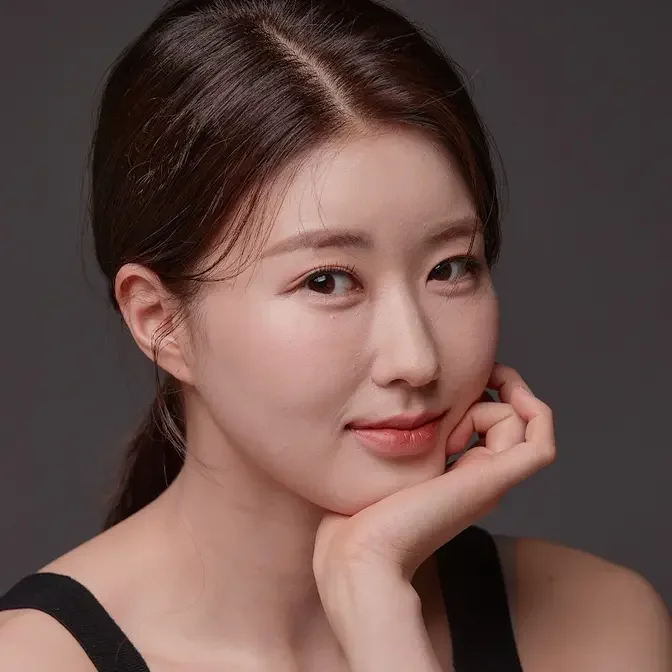
Hi everyone. This is Korean Unnie and I'm dressed up in this pretty
modern hanbok today because I'm going to a very special place today.
That special place is Andong and it's also my first time going there.
Andong was a very prosperous area of traditional culture
and it's also the place where many leading aristocratic families in Korea are located to
When I go to Andong today, I'll be able to actually see and experience the way Korean
aristocratic families ate in the past. It takes about three hours to go to Andong from Seoul.
What image comes to your mind when you think of Koreans eating?
Sitting around the table and dining together? However, did you know that the original Korean
food culture was a one-table-per-one-person culture? And we call this personal table soban.
Today, I'm going to tell you about the soban culture which is the basis of the Korean eating
culture. Wow, it's so beautiful.
Seoroldang is the head family of the surname Gwangsan Kim Yeampa and Soonjabbang is the name
of the cookbook which is written by this family. It is one of the oldest cookbooks
in Korea that's 500 years old and registered as a cultural property of Korea.
We were able to shoot here because the owner of this place has a deep affection for the
traditional Korean soban culture. It was really hard to cast this place.
Jongson, the eldest grandson of this house himself, is going to receive the honor of
sitting at the soban table to recreate the traditional soban culture.
A characteristic of Korean traditional culture, the one-person table setting
is served with various side dishes centered on a rice. What's different from western course-based
meals is that they serve all the food on one mini table just for you which we call soban.
Soban is also characterized by having both the function of transporting food bowels
and the function of individual table for eating.
Dungeun yeonyeopban which was mainly used in anppang has an excellent aesthetic value
as the top plate is in the shape of a lotus leaf.
Jageun sagakban was made with mother-of-pearl decorations or red lacquer to enhance the
aesthetic sense and it was used for refreshments medicines and also for carrying food items.
It is a soban made from the wood of pine trees from the Andong region. It is a soban usually
served for male adults in an aristocratic family. Andong sunjabbang jongga is still
using it when guests arrive. It remains one of the soban still in use today.
Because it resembles the shape of a flower, it is called hwahyeongban. It was used in many parts
of Korea regardless of the region. Women in particular used it frequently.
It was used as a table when serving medicine. Hojok is because it resembled a tiger's leg
and we call it hwahyeong because it is flower shape. It is called haejuyaksoban because it
is used in the haejuhwanghae province. I never knew that in Korea there are so many various
types of soban with different sizes made with different materials and from different regions
and different patterns for different use. It's amazing to come to this traditional house to
actually see these soban because it's so difficult to see these traditional soban in daily life and
modern life. But today I got to experience and learn and see how all these sobans are used in
real life. So it's amazing and look at this. Isn't this so beautiful? I actually would love to have
this in my house. I heard that many foreigners say it is a bit strange to share several side
dishes when they come to Korea. But it turns out that the real traditional Korean eating culture
was to have one table per each person. In modern times, we don't use soban as a daily item anymore
but as interest in traditional life culture is increasing, soban is drawing attention again.
Last October in Paris, France, there was a campaign to promote Korean food culture called
2021 K-Food Dosirak Soban. The campaign included distribution events for Korean dosirak at Le
to spread the concept of the traditional Korean table setting, which is a one table per person
setting to the locals in Paris. Locals in Paris showed a lot of interest not only in Korean-style
dosirak but also in bojagi and tableware which feature both beauty and practicality.
Today I came all the way over here to Andong, visited this beautiful place that is keeping
the traditions of Korea and experienced soban culture. From all the effort made but expressed
in the simplest way, I could see the traditional beauty of Korea. Now it's time to go home.
Is there a traditional food culture in your country that you still keep? What is your
country's unique food culture? Let me know and share it with other Dongdong squad as well.
Thank you for watching. Like this video if you found this Korean traditional food culture
interesting and subscribe to KoreaNanny channel for more Korea-related videos.