

Franz Joseph Fröhlich (1780-1862) - Piano Concerto in D
★ Follow music ► https://www.instagram.com/reciclassicat/
Composer: Franz Joseph Fröhlich (1780-1862)
Work: Piano Concerto in D (Konzerte für Klavier zu vier Händen und Orchester)
Performers: Das KöIner KIavier Duo; KöIner Rundfunkorchester
Piano Concerto in D
1. Allegro 0:00
2. Adagio non tanto 14:59
3. Rondo, allegro 22:26
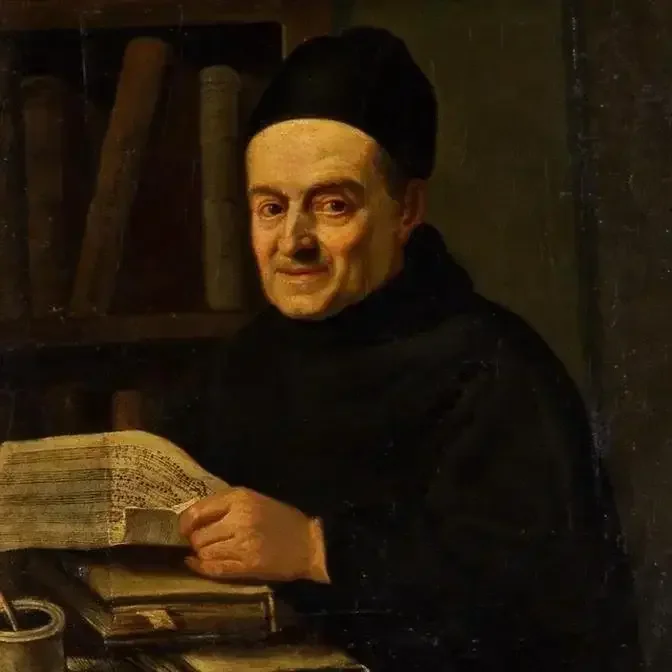
Painting: Gustav Frank (1819-1888) - Würzburg (c.1860)
Image in high resolution: https://flic.kr/p/2kp4hn5
Further info: https://www.discogs.com/es/Leopold-Ko%C5%BEeluh-Franz-Joseph-Fr%C3%B6hlich-K%C3%B6lner-Klavier-Duo-KalvelageKr%C3%BCcker-K%C3%B6lner-Rundfunkchor-F/release/13970945
Listen free: No available
---
Franz Joseph Fröhlich
(Würzburg, 28 May 1780 - Würzburg, 5 January 1862)
German teacher, musical organizer, critic, theorist, conductor and composer. He studied music at the student institute of the Juliusspital in Würzburg, and studied law and philosophy at the university there. In 1801 he began his career as a violinist in the prince-bishop’s court orchestra. He also founded the Akademische Bande, a student choral and orchestral group, which in 1804 became the Akademisches Musikinstitut and was made part of the university, thus becoming the basis of the first state music school in Germany. His teaching and organizational work was of the highest importance and encompassed several disciplines and activities. He became reader in aesthetics in 1812, reader in pedagogical studies in 1819 and professor in 1821. In 1820 a singing school was established as part of the institute. He also conducted important historical concerts for King Ludwig I in 1825, 1834 and 1840. Fröhlich retired from conducting the orchestra in 1844, from teaching in 1854 and from directing the institute in 1858. Although he composed a number of original works, including church music, symphonic music, an unperformed opera Scipio (1818), songs and much chamber and piano music, it is for his teaching manuals and theoretical and critical writings that Fröhlich is renowned. As a theorist he was thorough and above all practical in his approach; as a teacher he demanded that theory and practice should go hand in hand; as a critic, especially for the journal Caecilia, he showed an alert understanding of the music of his day, including the late works of Beethoven. His biography of the Abbé Vogler is impartial, despite Fröhlich’s personal esteem for Vogler. Fröhlich was also an important contributor to Ersch and Gruber’s encyclopedia (above all, he wrote the entry for Haydn); in his last years he had begun work on a history of early music. His Musikschule included performance instructions for all instruments available in his day. #ClassicalMusic