
[Sheet music] Eugen Pausch (1758-1838) - Te deum solenne ex D (1791)
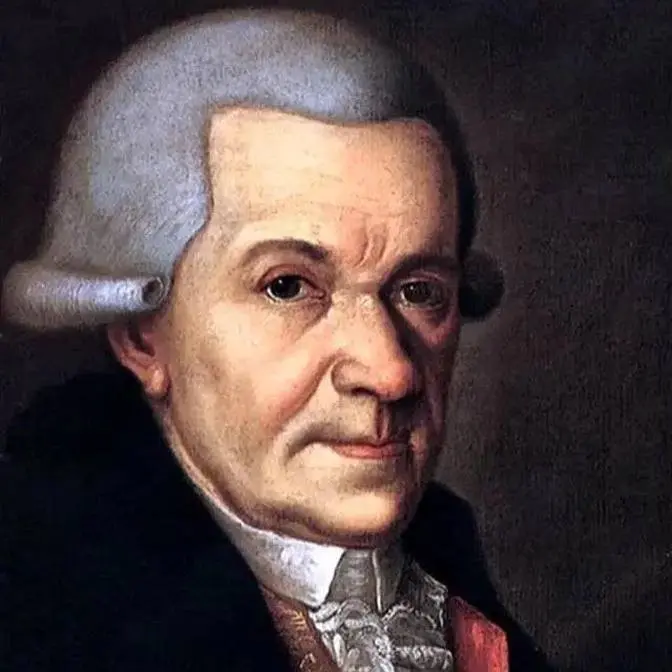
.
Consider to support this project on https://ko-fi.com/michaelhaydn
★ WORLD PREMIERE RECORDINGS ★
♫ Recovery project of sheet music by Johann Michael Haydn (1737-1806) and by other neglected composers ♫
Composer: Eugen Pausch (1758-1838)
Work: Te deum solenne ex D (1791)
Software: Sibelius + Instruments samples + Choir samples (soprano)
World Premiere: Yes
Te deum solenne ex D (1791)
1. Allegro moderato 0:05
2. Adagio 4:48
3. Allegro moderato 6:27
Sheet music (pdf): https://s9.imslp.org/files/imglnks/usimg/b/b1/IMSLP509132-PMLP825240-P_td_part.pdf
Sheet music (xml): https://www.mediafire.com/file/unbo39f4n3yllzw/PAUSCH-TeDeum.rar/file
Info about sheet music recovering project: https://i.ibb.co/hML4xyJ/HAYDN-M-3.jpg
---
Eugen (Michael Joseph) Pausch [Paush]
(Neumarkt in der Oberpfalz, 19 March 1758 - Neumarkt in der Oberpfalz, 22 February 1838)
German composer. He was the sixth of ten children born to the magistrate's clerk J. Andreas and his wife Juliana. He may have received his initial training from Johann Anton Michl (1716-1781), father of Joseph Willibald Michl (1745-1816). In 1769 he was documented as a student at the Jesuit high school in Neuburg an der Donau, where he also appeared as a soprano. In 1772 he attended the Jesuit Gymnasium Eichstätt and in 1774 as Logicus the University of Ingolstadt. In 1775 he studied philosophy at the seminary in Amberg, at the same time as Franz Gleißner (1761-1818). In 1777 he was admitted as a novice to the Cistercian monastery in Walderbach and received the religious name Eugen(ius). He made his profession in 1778 and was ordained a priest in 1783. He taught at the convent school and directed the choir. In the same year he was transferred to teach grammar at the Jesuit high school in Burghausen. In 1790 he returned to Walderbach, headed the school from 1791 and was inspector of the choir boys and music director. From December 1, 1803 to October 25, 1804 he acted as inspector of the seminary in Amberg. Because of asthma, he returned to Neumarkt, from 1808 to 1811 he headed the parish in nearby Sulzbürg. As a composer, he cultivated a "modern" style of figural church music, which he, like Michl, characterized as follows: "Unpretentious, thoroughbass-based, lovely, tasteful, with a preference for melodic catchiness over a contrapuntal structure over sweet and charming harmonies". Fellow composers from East Bavaria were, among others, Marianus Königsperger, Theodor Grünberger or Franz Gleißner. #ClassicalMusic