
BALESTRAND: Traveling to Gulen, Sognefjord and Norways most artistic town // EPS. 3 EXPEDITION NORTH
16 Video Views·Dec 4, 2022
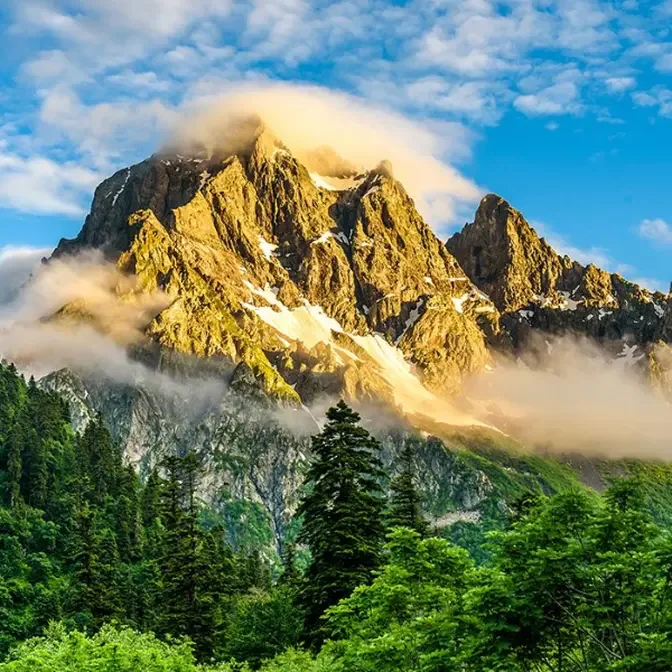
When clouds cover the most beautiful rugged mountains above endless fjords, it's time
to find the roads off the beaten path and learn about Norway's history.
Welcome to the traditional district of Zon.
Bergen is known as the gateway to the fjords
and that's what we came to see in Norway. But instead of directly heading to the most
spectacular views, we first wanted to keep it a bit smaller and more local,
heading out to the small and remote roads of the coast. Guys, I'm not complaining,
but I just want to mention that as a matter of fact, it rains again.
Norway is not only the country of ferries, but as well the country of bridges.
We decided to take a small road leading over the island Radø, where some of the oldest
boats in all of Norway were found. Two row locks that are dating back to 30 BC.
It's crazy. These roads here are so small, but all roads that we have driven so far
are just in perfect condition. I don't know how they do it.
Our next destination, the municipality Gullen, which sits to the south of Sonjefjorden
and surrounds Gullafjorden. And we were just about to enter the next ferry to bring us to Gullafjorden.
Which has a super rich history, but is normally not on the list of Norway's top attractions
due to its length of only eight kilometers. So we're now getting on the ferry and
oh look how nice is that we're allowed to park first row. I tell you, you just gotta love
Norway for this. This is ferry number five we are taking and look at this beautiful background.
That's by the way why Norway is a pretty wealthy country.
It's one of the world's biggest exporters of oil.
Wow, I really didn't expect this here being so pretty. Look at that. We came here more or less
by coincidence because we just wanted to ride a little bit smaller roads and just wow.
And this fjord is completely empty. There are no other tourists here. We went to explore a little
forest road next to the fjord, but unfortunately it was a dead end. But at least it offered some
amazing views. This fjord and the whole Gullin area is mostly famous for its history. The Gullating
was an annual parliamentary assembly which took place from 900 to 1300 AD and was one of the
oldest and largest parliamentary assemblies in medieval Norway. The history of Norwegian's
tradition of a representative from a parliament reaches over a thousand years back in time.
This was our first glimpse on Sonjefjord. With 204 kilometers the longest and with 1300 meters
as well the widest fjord in Norway and in Europe. Arriving at fjords mostly as well means looking
for ferries to cross them. So here's a very wise suggestion for everyone who might do the same like
us and go a bit smaller roads. Pack some drinks and some snacks because there's literally no cafes
or no drinks or anything on many routes. So just take a little bit because as well on the ferries
mostly on the smaller ones you can't buy anything. So if you get a little hunger or something in
between it's nice to have something with you. Where are we? I have no clue. So we just figured
out that our ferry only comes in two hours. So we decided to take another route and continue
the fjord and take another ferry. We didn't mind riding along Sonjefjord a bit longer and only 35
kilometers later we were right in time for the ferry to carry us to the other side of the fjord.
From Laavik we continued riding along Sonjefjord to the town Balestrand
and I was literally living on the edge like always. Oh god this is so much fun to ride but
so illegal. I'm literally living on the edge with this. The speed limit is 80 and I'm driving around
100. If someone catches me now I will really be like the poorest traveler in the world
because of Norway's super expensive speeding tickets.
We stayed the night in Balestrand, a little artist village on Sonjefjord.
It offers beautiful views, art galleries and a dome on the top of a house.
The town is most well known for its unique architecture, the so-called dragon houses.
Around 1890 an architect sold the wood villas to his customers and they were allowed to choose
different kind of dragon heads for their decoration at the roofs. One of them was the
Norwegian painter Hans Dahl who bought a dragon house in 1893. But one of the most popular buildings
in the dragon style is St. Olaf Church that was completed in 1897. No visit to Balestrand is
complete without a dinner at Kviknes Hotel. The hotel is family-owned since its opening in 1752
and when the White Main Hotel was completed in 1913 it was Norway's largest wooden building.
German emperor William II stayed at the hotel at the outbreak of the first world war
and received the news there. The hotel still has his chair on display.
And I of course decided to hang out a bit in the emperor's chair.
Thanks for joining the journey to Balestrand. The next episode will take us to some of Norway's
most spectacular roads and sites. From Gaula Fjellets hairpin road to famous Geirangerfjord.
Comment, like, subscribe and share this episode with everyone
who is as good a travel companion as my travel partner is.