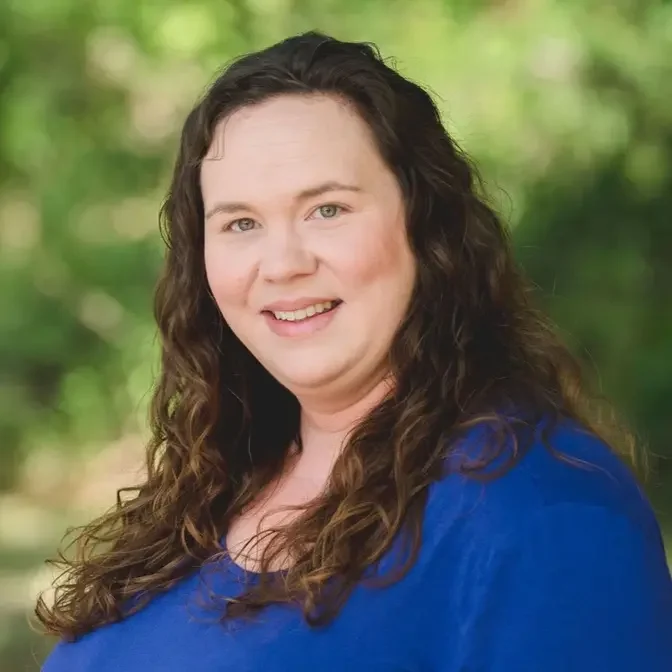
Join me as I chat with Sarah Mackenzie about homeschooling without a formal curriculum using wonderful books instead, what she would say to the mom worried that reading aloud isn't "enough" or doesn't really "count" and hear all about her wonderful news: she's a new children's book author!
- 𝐅𝐓𝐂 𝐃𝐢𝐬𝐜𝐥𝐚𝐢𝐦𝐞𝐫 - Most of the products featured on my channel have been purchased by me. If I have products sent to me for review or if I partner with a company (e.g., as an affiliate), I will disclose it in the video and/or description. Amazon affiliate links are provided for your convenience and your purchases on Amazon may contribute a small amount to my channel. All opinions and reviews that I share are always entirely my own.
Welcome to the Waldorf Way. I'm Jessica, and today we are joined by the amazing Sarah McKenzie so
that we can chat about reading aloud in our homeschools. We are so excited to have you, Sarah.
Oh, I am so excited to talk to you, Jessica. I've been looking forward to it all day.
I have followed you for as long as I can remember, like since I think before
Emily was even in preschool, and I'm so excited to just go to chatbooks with you. So first,
I want you to tell us a little bit about yourself, your family, and of course the Read Aloud revival.
Yes, I'd love to. So my husband, Andrew, and I have been married for 21 years, and we have six
kids. We've homeschooled since the beginning. Our oldest is 20. She's just going off to her
junior year at Franciscan University in Steubenville. We have another homeschool
graduate who just finished, and she is heading off to art school in Savannah, Georgia this
fall. Then we have a 17, a 10, and twin 9s. So we're very much in it still at home in the
homeschool. I've written a couple books, The Read Aloud Family and Teaching from Rest,
and then I host the Read Aloud revival podcast, which is a place where we talk books and recommend
books and ways to connect with your kids through reading aloud. Teaching from Rest is a book that
I read every single homeschool year, at least once. I normally try to read it about this time
of year because we're all like shiny new things, and we're all giddy. I mean, as homeschool moms,
we're like overplanning, right? We tend to be doing all the things, and so I try to read it
before I start looking forward to the school year as a more realistic. Keep your goals in mind and
what you actually want out of your homeschool. It's so, I mean, it's all very basic. I think
nothing in that book is what we don't already know to be true, but we forget. It's very easy to get
wrapped up in what we think we're supposed to be doing, what we hear somebody else is doing,
and forget. I'll notice that I'll completely forget the point I have in teaching a certain
subject in my homeschool at all, and then I'll hear someone else say they're using a certain
curriculum, and I'll think, I haven't done that. I'm pretty sure I need to do that. You didn't
even know it existed before 10 minutes ago. Absolutely, and it's just nice to be reminded,
right? It's just so funny. My husband's always like, you know you tell people this all day long,
and I'm like, yeah, but people forget to tell me this. It's so true. You remind me once a year,
just remember what you're actually supposed to be doing this for. Oh, good, good. Well,
one of the things that you personally have inspired in our homeschool is the use of
reading aloud, right? It's one of those things that seems so simple, but it's so impactful,
and reading aloud has actually become one of the main parts of our curriculum.
So I would love if you could share a little bit about homeschooling without a formal curriculum
using just really wonderful books instead. Yeah, I mean, I think we tend to distrust anything
that's either easy or enjoyable. If something's not a hard slog, we sort of think, does this
really count? And reading aloud does tend to be not always, but often enjoyable and pretty easy,
and it covers a lot of ground. But because we're reading aloud books that maybe our kids are
choosing, and maybe we're choosing, and they're not following a scope and sequence for a lesson
plan, sometimes it's hard for us to remember that they actually count. And what I've noticed in
conversations with adults who are homeschooled as children is what they remember about their
homeschool is very often the books that were shared with them together that they read aloud.
And also, when I ask adults who are voracious readers now, and I say, what books formed you,
a lot of times the books that they mention are the books they read as kids, and they're the books
that they chose to read as kids. So there were some interesting studies done, and I can send
you a link for the show notes if you want, where we know that reading for pleasure, like the books
that our kids read for the fun of it or for leisure, they confer all these benefits that
just being assigned books and reading books because you have to for school don't. And I think sometimes
we have this idea that if we put it on the lesson plan or if it's a part of their less
official lesson plan, it counts more than if they read it for fun. But in our home,
we do tons and tons of reading. Usually I'm scheduling blocks of time in our day rather
than title. So we'll have like an hour in the middle of the day, depending on how old they are,
you know, a certain amount of time in a day where the only thing they're allowed to do is read,
but they can read whatever they want. I mean, whatever they want within our family parameters.
I always feel like I need to make that really clear, whatever they want, whatever they want,
and that whole idea of just letting reading alone be enough is hard for us, but it's where
a lot of the good stuff in homeschooling happens. Well, and you know, I have to say,
not even just homeschool either. Me personally, from my educational career, which was 100% public
school, the most fond memory that I have, like out of my entire 13 years of being a school kid,
is that one of my teachers after lunch, and this was like fifth grade, like we're not talking first
or second grade, in fifth grade, after lunch, she would let us put our heads down on the desk
and she would read aloud to us for like 30 minutes. She read The Lion, the Witch,
and the Wardrobe to us. And that is like, it was the best memories of my entire, I mean,
we're talking, we did awesome field trips. I mean, public school is public school, but still
like we did some pretty cool things, but that was my number one favorite, most memorable,
even to this day. When you remember what book it was, but can you remember like the science topics
that you learned that year? Or, you know, maybe sometimes if there's a fun experiment, you know,
or something, then you can remember. Absolutely not. Like I absolutely don't remember anything
else from that school year, except just the vivid imagery in my head as our heads were,
you know, down on the desk. And it was just, it was amazing. And I think that's why I've always
strived really hard to make sure that we're including great books in our homeschool is
because of that. And that's one of the things that drew me to you because you validated it.
Like, I didn't even know it was a thing yet. You know, I'm like, that was important to me.
I want to do that with my daughter. And then you like validated it. Like, hey, wait a minute,
this really is important. And she has statistics to back it up. Like I have to do it now.
Okay. So that's really interesting because one of the things that I think we
tend to do is value reading alone, like reading with your eyes by yourself over reading aloud.
And one of the things Andrew Putawa from the Institute for Excellence of Writing has taught
me is that there are some benefits, some specific benefits to reading aloud that we actually don't
get by reading with our eyes. And one of those is that these grammatically correct, sophisticated
language patterns in long strings, they, when we're reading with our eyes, we skip words.
And so they're not getting stored in our brain, like in complete patterns. But when you're
listening to an audio book or a read aloud, it's being stored in your child's brain in a whole
pattern, which is why we find that kids who are read to have better vocabulary and they can write,
they can compose better, like better sentences because they're used to the cadence of good
language in a way that reading with our eyes does some, but not to the same degree.
So that's another one of those things that I think when I realized, oh, it's not just,
not, I mean, not just that it's delightful and enjoyable and creates all these wonderful family
memories, but it's really great for our kids' brains and their academic success. It's very
powerful, I think. Well, and I love that you just mentioned audio books. So I'm going to
go off on a little tangent and touch on those because I feel like that is the one thing that
you hear constantly like, oh, well, I read this loud and it's like, but the audio book doesn't
count. Like if reading aloud barely counts, audio books definitely don't. So I'm curious,
since I have you anyway, in your opinion, is there a difference between you reading a book
aloud and your child listening to a book on audio? So no, for the most part, no, I would say there's
no, I don't see it as a difference. The things that we're going for with a really good read aloud
experience are the, well, first of all, the shared experience, like the, we're sharing this story
together. We're rooting for the same hero. We're worrying about the same villain. All of those
things are like, we're having the experience together. And the other thing is the grammatically
correct sophisticated language patterns, which they get from an audio book, just as well as they
get it from a read aloud. Now I think there I've heard people say, you know, but there's something
really tender about, um, having their parents voice in their ear, like that being the read aloud.
I understand where that argument is coming from. I think it's homeschooling parents. Like our kids
hear enough of our voice. I'm not sure my kids need to hear more of my voice. So I'm okay with
that. But also I tend to really enjoy and make more time for read alouds when I don't have to do
all the reading aloud myself. And especially if you're in a phase of life where you're really
tired, maybe there's illness or a new baby or whatever reason. You'll fall asleep reading aloud.
We all have done it, right? Where you're just reading and it's like amnesia. It's like, I mean,
it's like anesthesia. It's like, you're just immediately like puts you to sleep. Um, and an
audio book is great in those situations because I think first of all, you don't have to do all the
work of reading it aloud. But even if you were, let's say you have a new baby and you're fall
asleep on the couch, when you wake up, you can just ask your kids, what did I miss? And now
they're, they're narrating, they're thinking back on the story and telling back. And there's so much
good stuff that can come from it. So in my view, audio book and a read aloud have the same level
of awesomeness in our homeschool. And I think sometimes in our, in ours anyway, the experience
is even better. Like, okay. So we did, I wrote an entire study on the Harry Potter books, like
based around a whole year at Hogwarts. My daughter was obsessed and I'm sorry, but there is nothing
like I could have easily read the Harry Potter books. We had all read them, but nobody narrates
them as well as Jim Weisdale. Like his audio narration of those books is phenomenal. And the
experience that the whole family had listening to them together. And like, let's be honest reading
when Hagrid would talk would have been painful to hear, but he did it so beautifully. Yeah.
Yeah. And we had experienced in our homeschool this last year where we, I have tried to read
the Hobbit with my kids before and always bailed. Um, and then this year we listened to an audio
narrated version by Andy circus and it's the unabridged Hobbit, but it's just narrated by
the guy who plays Gollum in the movies. And it was so incredibly good. Like it, it like
takes your breath away where like somebody walking by will kind of stop and like, you know,
it's almost like it hooks them and it's kind of like, I don't have to listen to more of that.
Um, that's like a gift. I can't read the Hobbit the way Andy circus reads the Hobbit. So yeah,
I agree. I'm going to have to add that to my list. Cause we too have started and bailed a few times.
So I'll have to add that to my list. Okay, Sarah. So what do you say to the mom who was worried
that reading aloud isn't enough or doesn't really count in homeschool? Cause you know,
that they're out there, they're listening and they're thinking, well, this all sounds
really great, but how do I quantify it? Okay. I think those might be two different questions.
Like, like how to justify it as something that matters and how to quantify it. So I'm
going to start with the quantify cause that's easier, I think. So you just put it on your list.
So one of the things that we do like at the end of the school year, one of the things that we do
is we tend to value the things we've been able to check off, which is why it's easier for us to
value like a math lesson done or a chapter of a whatever curriculum done more than discussions
that you've had with your child at the dinner table. Even though I think we could all see a
good valid argument for the discussions at the dinner table being very formative and impactful
over time. So my hack for when, cause I had the same need to like be able to see what we accomplished
is just keeping a list of the books we've read aloud and putting a check mark next to them.
I'll even write them down after they're done just so I can check them off, right?
So quantifying it, just make sure it counts on whatever way that you keep track of your
homeschool. So whether you're like really detail oriented or you're not so detail oriented,
whatever way that you need to, even if it's like a notes app on your phone, just keep track
is a way to say like this matters and this counted. The other piece is that reading aloud
has some unique benefits. And like I was talking about the grammatically correct sophisticated
language patterns coming in through our kids ears that actually don't come in any other way.
So if you were to give your child a history lesson, whether that's a textbook or whether
you're just giving them a historical fiction novel that they're going to read and come talk to you
about by reading it aloud together, you're immediately slowing down the experience of
that lesson because reading it aloud will take longer than it will take either you or your child
to read it on their own. Um, it will take more, it'll offer, offer more opportunities to talk
about it. And really you can only do so much reading aloud even if you're really committed
to it. There's other things you have to do during the day, right? So it kind of slows things down
and lets them really sink in. And so I would challenge you if you're having a hard time
believing that it works. One of the things that you could do is just give yourself a little bit
of a challenge. And for one month, read aloud as many days as you can. Doesn't have to be every day
because nothing, we can't do anything every day. That's just way too much. So as many days as you
can read aloud and see at the end of the month, like start chatting with your child about what
they've learned over the course of the month. My bet, my money's on the fact that your child will
remember way more about your read aloud than they remember about almost any of their other lessons.
So sometimes you have to see it to believe it. The studies are there. The documentation is there.
Donalyn Miller has a fabulous book called, I think it's called The Book Whisperer. She's
got a couple different ones. I'm trying to remember which book this is in particularly
that really documents the tremendous benefits that like free reading and reading aloud has
on our children's brains and on their learning. So her book is actually written for school teachers
and sort of a clarion call for school teachers to like discard huge pieces of what they're doing
in their school to replace it with read aloud and free reading time. So yeah.
I love that. And I love that you said to ask them and they're probably going to remember more than
you think. I always, and I know this, like, I know it. It's kind of like we were talking about
before. I know it all the time, but I still am constantly, especially when she's doing something
else, which is very frequent in our homeschool. I'm constantly letting her, you know, do a puzzle
or paint or color when I'm reading aloud. It keeps her busy. And actually in my experience
so far, at least she remembers even more, like half the time I'm like, you are not paying
attention. And she's like, repeats the last paragraph like verbatim back to me. And I'm
like, okay, just kidding. I get it. You're right. I mean, it's amazing. I would notice
like in my older, so we've got two like kind of groups of children, the older group and the
younger group. Right. And in our older group, we have two girls and a boy. And for years, I mean,
my girls would be sitting there listening. And then my son's like standing on his head,
jumping on the trampoline. I mean, like I'm doing his little figurines and like
making all these sound effects. And I would think he is not listening. But the next day when I would
say, okay, who remembers what was happening? He always remembered best. It was amazing.
So yeah, there's some interesting, we had on the Read Aloud Revival podcast,
Dr. Michael Gurian came on and he talked about how for a lot of kids when they're moving. And
I actually think this is true for me as an adult too. When they're moving their bodies,
their brain, their mind can, they can listen better. Basically it's sort of like gives the
body something to do so that it frees up the mind to pay attention. So you might notice that. So I
would know, I mean, my kids are almost always doing something while I'm reading aloud to you,
whether that's the younger kids who are doing Play-Doh or coloring or Legos or something,
or my older kids who my oldest son, who's 17, he does pushups and sit-ups and like,
that's what he's doing while we're listening to an audio book together.
I probably should do them with him, but I don't.
So we typically color in our homeschool. My husband is an amazing artist. He does all of
the illustrations for all of our products. His coloring pages are like equivalent to like adult
coloring pages. And they're really even more personal for us because he drew them. So normally
Emily and I, if we're listening to an audio book, we'll both color together or she colors while
listening to an audio book. And I find that she, because her daddy drew them, right? So she's
coloring even more carefully and more kind of prestigiously so that he'll be proud of the end
result and not just scribbling. And that, like you said, the fact that her hand is like slowed down
and moving, it frees her brain up. And even when I think she's totally not paying attention,
she knows everything and then some. And half the time I can be reading it aloud and she will still
remember more than what I read and I was the one who read it. Okay. Has this ever happened to you,
Jessica, where you're reading aloud and then one of your kids goes, wait, who was that? And you're
like, you know, like maybe the character or something where it just happened. And you're like,
oh, let's reread it again. Cause I'll realize that I had kind of tuned out for a minute while
I was reading. I'm like, oh my goodness. Oh, let's reread that passage again. And we can both find
out. Oh, absolutely. I have done it more, especially like bedtime reading. When you
are tired and someone's like you're on autopilot and you're just reading. And then she was like,
wait, what, what happened? Who was that? And I'm like, um, let's go back. Let's clarify.
Yeah. Yeah, exactly. Let me refresh my memory.
Sarah, you have absolutely wonderful news to share with us. You are a new children's book
author, and I cannot wait to get my hands on that new book, but tell us a little bit about
the book and how we can get it. Oh, thank you so much for asking. This has been a
project we've been working on for years. I am so excited about it. So at Read Aloud Revival,
we've decided to launch our own publishing house. That's focused on children's books that are
excellent read alouds speaking of reading aloud. Um, and so the first is a picture book that I
wrote called a little more beautiful, the story of a garden. It's illustrated by Breezy Brookshire,
who's an amazing illustrator and she was homeschooled herself. So it's been really
fun to talk to her about, you know, she, she didn't have professional art school training
or anything, but the time and the fact that her mom always gave her supplies to be learning,
like pursuing illustration and practicing her craft as she was growing, that's really what
shaped her into the illustrator she is, which is super cool. So she did the illustrations and, um,
and we just launched the project on Kickstarter. And that's been very exciting just to see people
show up so big for it. What we, um, the reason we're doing it on Kickstarter is because we're
a little baby publishing company, right? This is our first book and we just had no idea how many
books to print. So we decided we'd launch it on Kickstarter for two reasons, because then we can
find out how many books we should print without making some like over or under ordering by some
embarrassing amount or to, and to Kickstarter gives us this opportunity to do some fun rewards.
So we've made a book bag to go with it and prints and postcards and some other goodies that are all
part of the Kickstarter and actually will only be a part of the Kickstarter. So that's really fun
too. Oh, and you asked me where, where they can find a little more beautiful.com. That's absolutely
amazing. I'm super excited to get mine. I ordered all of the things because I was like, I need that
bag and the postcard. Thank you. And now I saw, I think, so I have to, because this is phenomenal
that it was fully funded in less than 90 minutes. Is that correct? It was a really crazy day. So
we released the, we opened up the Kickstarter and the, and with a $50,000 goal, which is the goal
that we needed to meet in order to make a small print run. So basically to pay our illustrator,
art director, and our editors, because we've hired all these pros right out of the New York
publishing scene to make this the most beautiful book possible. So to pay all of them and to print
a small amount with the kind of printing we wanted. So that's, I mean, because we do picture
books all the time at Read Aloud Revival, I'm kind of picky when it comes to the paper and the
typography and like everything, just looking and feeling like a really good reading experience.
And that goal was hit in 90 minutes, which just blew us away. And then it was doubled
in the first 12 hours. So it's been very, it's been very exciting. And like I said,
we've been working on it for years. So kind of quietly, cause it's like one of those things
that just takes a long time. So you don't want to, you know, get everybody like tired of hearing
about it before, years before you're ready to go with it. And so it was really just, I felt like
just so lucky to be in this position where we get to do this. We get to make books like this and
then just so grateful for everybody who just really showed up for us on our Kickstarter.
Well, that's amazing. And I cannot wait for this book to be on many bookshelves in the homeschool
community. Thank you so much. Thank you so much for coming on, Sarah. It was a joy to have you.
Thank you. It's been so much fun. I've been wanting to chat with you before,
so I'm just glad that we got to do this officially. Me too.