
Antonio Puccini (1747-1832) - Miserere a quattro concertato (1771)
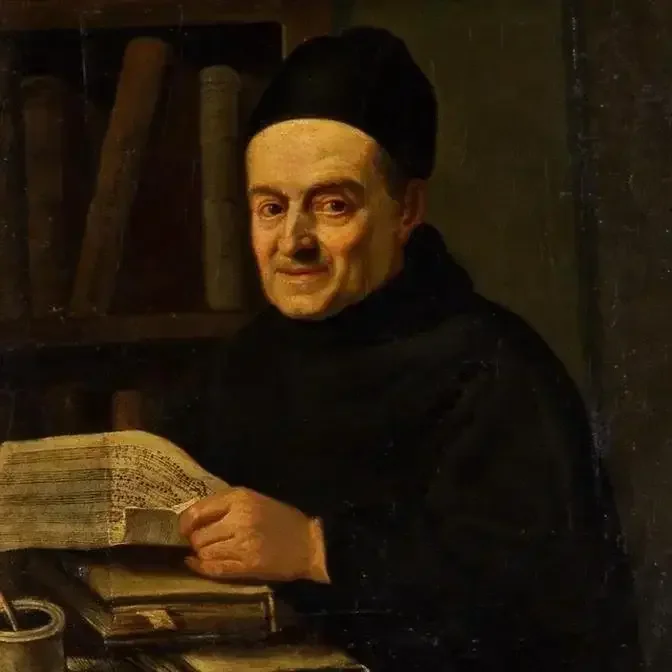
Buon compleanno Antonio Puccini! 🎵🎭
Composer: Antonio Puccini (1747-1832)
Work: Miserere a quattro concertato (1771)
Performers: Adriana Cicogna (mezzo-soprano); Doina Palade (soprano);
Cappella Santa Cecilia della Cattedrale di Lucca; Teatro del Giglio di Lucca Orchestra;
Gianfranco Cosmi (conductor)
Miserere a quattro concertato (1771)
1. Miserere 0:00
2. Ecce enim 5:44
3. Asperges me 8:28
4. Domine labia mea aperies 13:53
5. Benign fac 16:48
Painting: Giovanni Domenico Tiepolo (1727-1804) - Christ and the Woman Taken in Adultery (1752)
HD image: https://flic.kr/p/2nBpZmU
Further info: https://www.amazon.it/Puccini-musicisti-Lucca-Vol-Cosmi/dp/B000EA6W7G
Listen free: https://open.spotify.com/album/4sWtMTuUMOc1rW6sOuZ8xN
---
Antonio (Benedetto Maria) Puccini
(Lucca, 30 July 1747 - Lucca, 10 February 1832)
Italian composer, son of Giacomo Puccini (1712-1781). With financial help from the government of Lucca, from 1768 he studied under Carretti and Abate Domenico Maria Zanardi in Bologna, where he met his future wife, Caterina Tesei (1747-1818), an excellent keyboard player, teacher and copyist. In 1771 he became a member of the Bologna Accademia Filarmonica, through the offices of Padre Martini, to whom he had been entrusted by his father. He was invited to present his works for the feast of S Antonio, patron of the academy. Having returned to Lucca he worked with his father, preparing to succeed him in his post at the Cappella di Palazzo and as organist of S Martino, which he did, by decrees of 1772 and 1779. After the suppression of the Cappella di Palazzo (31 July 1805) by the new governors, he continued to produce and to organize the music for the feasts of S Croce and for other liturgical occassions. He was a loving and able custodian of the family’s rich library, and compiled the valuable Repertorio (1818) of its contents. Antonio’s sacred compositions consist of a free series of closed movements in various styles, some concertato with soloists, double choir and orchestra, some a cappella, in motet style, and some in aria style. His Messa da Requiem (1792) was greatly prasied for its ‘gusto patetico e capriccioso’. His tasche reveal a new and personal style: the opening symphonies, which are sometimes in sonata form, employ a harmonious Classical style and an orchestra larger than his father’s; the arias and the accompanied recitatives achieve variety and expression through unexpected interpolations from obbligato instruments. #ClassicalMusic