
In "The Forgotten Wisdom of Nature," Janine Benyus explores the profound intelligence that exists in the natural world—an intelligence we have largely overlooked or forgotten. This video delves into how nature, through billions of years of evolution, has mastered the art of living sustainably on this planet. From the intricate designs of wasp nests to the efficient ways plants and animals interact with their environment, nature holds solutions to many of the challenges we face today. As we increasingly grapple with issues like climate change, resource depletion, and environmental degradation, this video invites us to rediscover the wisdom inherent in the natural world. Benyus highlights how nature’s time-tested strategies for survival—such as using resources efficiently, adapting to changing conditions, and fostering cooperation—can inspire new ways of thinking and living that align with the planet’s ecological systems. The video encourages us to look beyond human-centric solutions and consider the vast repository of knowledge that nature offers. By observing and learning from the natural world, we can develop innovative approaches to design, technology, and sustainable living that not only solve human problems but also enhance the health of our planet. "The Forgotten Wisdom of Nature" is a powerful reminder that nature is not just a backdrop for human activity but a source of deep, actionable wisdom that we can apply to create a more harmonious and sustainable future. Through this exploration, viewers are prompted to reconnect with the natural world, to appreciate its genius, and to embrace the idea that by aligning our actions with nature’s wisdom, we can create a future where both humanity and the planet can thrive.
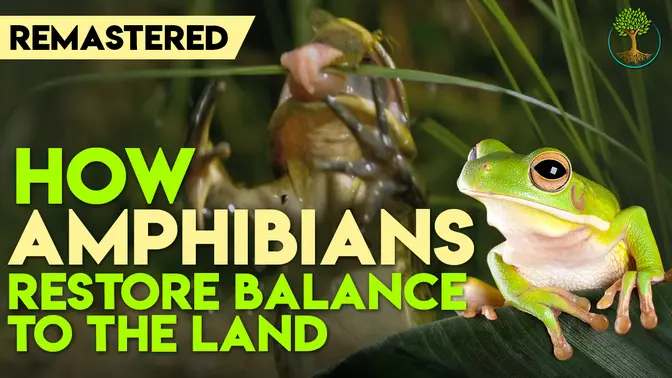
How Amphibians Restore Balance to the Land, narrated by Harvey Tweats, offers a fascinating glimpse into the overlooked yet vital role amphibians play in maintaining ecological harmony. Once dismissed as “foul and loathsome” creatures, amphibians are now recognized as indispensable allies in the fight against environmental degradation and climate change. This video unpacks their critical contributions to agriculture, water quality, disease prevention, and even climate regulation. From frogs acting as natural pest controllers to tadpoles cleansing polluted water bodies, amphibians demonstrate their profound impact on ecosystems. These humble creatures reduce outbreaks of diseases like malaria and Lyme disease by feeding on disease-carrying invertebrates, while their larvae help prevent eutrophication in aquatic habitats. The video also reveals the surprising role of salamanders in climate stabilization, as their feeding habits enhance soil health and reduce carbon emissions by curbing detritivore activity. Despite their incredible contributions, amphibians are among the most threatened animals on Earth. Species are disappearing at alarming rates due to habitat destruction, diseases like chytridiomycosis, and the global wildlife trade. The extinction of amphibians would have devastating consequences: failing crops, polluted water systems, dying forests, and an acceleration of climate change. Yet, beyond their ecosystem services, amphibians inspire wonder, their calls bringing life to forests and their presence sparking curiosity in children and adults alike. This video is a call to action, emphasizing that hope is not lost. Amphibians can recover through focused conservation efforts such as captive breeding and habitat restoration. By recognizing the vital roles these creatures play, we can ensure a future where amphibians, and the balance they bring to the natural world, are preserved for generations to come.

One of the most groundbreaking scientific discoveries in recent decades is the concept of trophic cascades, where ecological changes at the top of the food chain cascade down to affect the entire ecosystem. A fascinating example involves the Tasmanian devil, a species that once roamed mainland Australia and played a crucial role in maintaining forest health. This keystone species helped control populations of other animals, fostering a balanced and resilient ecosystem. Australia's unique ecosystem evolved over 40 million years in isolation, forming complex interrelationships. However, the introduction of invasive species like foxes and cats disrupted this balance, leading to the decline of small native mammals such as bandicoots, bettongs, and potoroos. These small mammals are vital for forest health as their foraging activities mix organic matter into the soil, spread fungi and seeds, and reduce fuel loads, which mitigates the impact of bushfires. Studies of Tasmanian ecosystems reveal that the presence of Tasmanian devils influences the behavior of other animals. Cats avoid areas with healthy devil populations, allowing small native mammals to survive and thrive. Reintroducing devils to the mainland could help restore this balance, reducing grazing pressure and allowing vegetation to recover. This would create better conditions for small mammals, enhancing their ability to perform essential ecological roles. The reintroduction of Tasmanian devils could lead to healthier forests and reduced bushfire intensity, as small mammals return to their roles as ecosystem engineers. This would increase ecosystem resilience, providing safe havens for wildlife and promoting biodiversity. By bringing back the Tasmanian devil, we have the potential to heal damaged forests and restore ecological harmony in Australia.
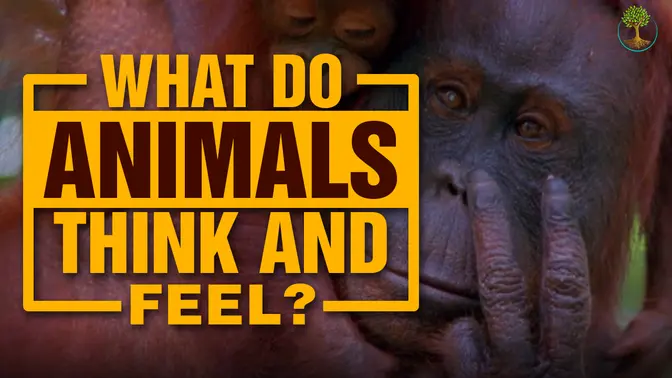
This video explores the surprising similarities between human and animal behavior, challenging the traditional view that humans are uniquely distinct from other species. Through compelling examples, it reveals how animals, from octopuses to elephants, display behaviors like tool use, teaching, and emotional intelligence—traits often believed to be exclusive to humans. The video shows that animals, like humans, are capable of complex thought and emotions, highlighting our shared consciousness and the importance of compassion across species. By examining the intelligence and emotional depth of animals, this video sheds light on how creatures recognize and respond to human actions, showcasing the profound connection between humans and the animal kingdom. These insights challenge the notion that humans are the only sentient beings, emphasizing that love, empathy, and consciousness are not unique to us but are shared by many species on Earth. As the narrative unfolds, the video argues that the true difference between humans and animals is not as clear-cut as we might think. While humans may be the most extreme in their behaviors—both compassionate and destructive—the essence of life and love is a shared experience across species. This underscores the need to protect and preserve the diverse life forms that share our world. Ultimately, the video poses a crucial question: Are we, as humans, capable of using our unique abilities to protect the animals and ecosystems we coexist with? This reflection encourages viewers to reconsider their role in the natural world and take action to safeguard the planet's biodiversity.

The mysterious "Angel's Glow" is a fascinating phenomenon that occurred after the Civil War battle of Shiloh, where 16,000 injured soldiers lay on the battlefield, many suffering from infection. Some of these wounded soldiers noticed an eerie blue light emanating from their wounds at night. Field surgeons soon realized that those with glowing wounds healed faster and had a higher chance of survival. Dubbed "Angel's Glow," the phenomenon was believed to be divine intervention, but it remained a mystery for almost 140 years. In this video, we explore the incredible scientific explanation for the "Angel's Glow," discovered by a 17-year-old student named William Martin. Martin, along with his friend Jonathan Curtis, uncovered that tiny nematodes living in the soil were responsible for this healing glow. These nematodes carried luminous bacteria called Photorhabdus luminescens, which produced antibiotics that fought off infections, effectively saving the lives of many soldiers. The video also delves into the complex relationship between plants, bacteria, and nematodes, revealing how soil ecosystems mirror the gut bacteria in humans. As we uncover this remarkable connection, viewers will learn about the intricate communication between plants and soil organisms and how these interactions have life-saving implications. From bacterial communities in the soil to the fascinating way plants "talk" to their surroundings, the video sheds light on the hidden complexities of nature and its ability to heal. Discover the surprising truth behind the Angel's Glow, and how this incredible natural process saved lives and demonstrated the unseen power of soil ecosystems. This story is not only a testament to the resilience of nature but also a reminder of the untapped potential that lies beneath our feet.
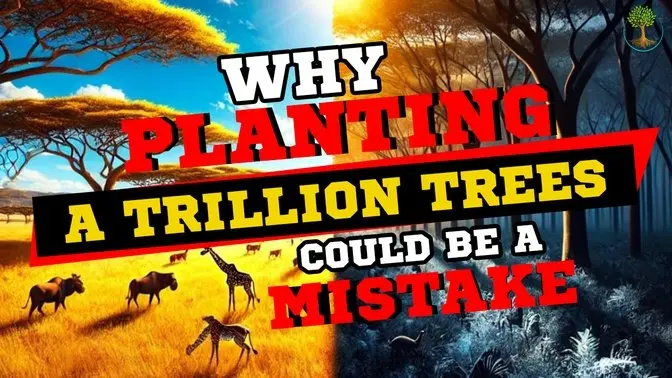
Grasslands and forests have been engaged in an ancient dance for millions of years—one that shapes the ecosystems of our planet and maintains its delicate balance. While forests dominate with their towering trees and dense canopies, grasslands thrive under open skies, sustaining vast herds of animals and playing a crucial role in climate regulation. This natural interplay is not a battle but a harmonious relationship, driven by fire, grazing animals, and climate conditions. Yet, in our rush to combat climate change, we risk disrupting this balance with well-intentioned but misguided efforts, such as mass tree-planting initiatives in places where grasslands should thrive. Grasslands are often underestimated in their ecological importance. These vast, open landscapes store massive amounts of carbon underground, reflect sunlight to help cool the planet, and support an incredible diversity of life. Unlike forests, which store carbon in trunks and branches that can be released in wildfires or logging, grasslands lock carbon deep in the soil, where it remains for centuries. They also depend on natural fires and grazing animals to maintain their health, preventing encroachment by trees that could disrupt their unique ecosystem. Understanding this delicate balance is critical to protecting these landscapes and ensuring that conservation efforts do not unintentionally harm them. Despite their crucial role in global ecosystems, grasslands are disappearing at an alarming rate. Well-meaning reforestation projects often prioritize tree planting over ecosystem preservation, failing to recognize that not all landscapes are meant to be forests. When trees are planted in ancient grasslands, they can disrupt native biodiversity, alter soil composition, and reduce the land's ability to store carbon effectively. By recognizing the importance of both grasslands and forests and fostering conservation efforts that respect their unique roles, we can help maintain the natural balance that has sustained life on Earth for millennia. If we want to truly combat climate change and preserve biodiversity, we must shift our perspective and appreciate the intricate dance between grasslands and forests. Instead of focusing solely on planting trees, we must ensure that conservation efforts align with the natural ecology of each region. By protecting the world's remaining grasslands and supporting responsible land management practices, we can sustain the ecosystems that have nurtured life for millions of years and keep our planet in balance for generations to come.
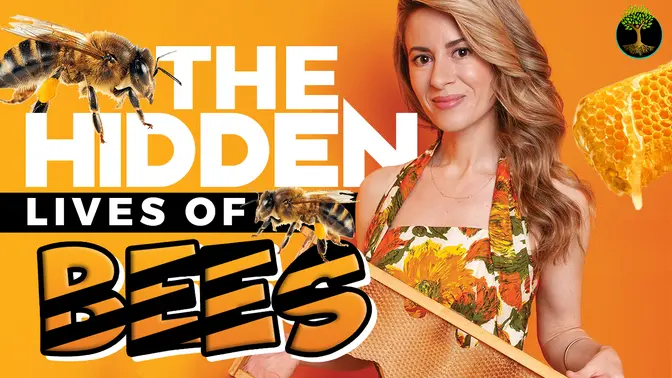
In "The Hidden Lives of Bees," narrated by Erika Thompson, we embark on a fascinating journey into the heart of a honeybee colony, revealing the extraordinary lives of these essential insects. The video offers a unique glimpse into the complex social structure of the hive, predominantly composed of female bees, whose roles and numbers fluctuate with the seasons. We explore the poignant lifecycle of male bees, produced in greater numbers for mating purposes, only to face expulsion or death as resources dwindle. The narrative delves into the short yet industrious life of the female worker bees, whose lifespan varies dramatically from the bustling summer months to the resource-scarce winter. Their adaptability and the physiological changes they undergo to survive the colder months underscore their crucial role in the hive's survival. The queen bee's epic mating flight is depicted with vivid detail, highlighting her interaction with drone bees in a dramatic and fatal dance of reproduction that ensures the colony's continuity. Thompson challenges common misconceptions of the hive as a monarchy, illustrating instead a democratic society where collective decisions by the worker bees dictate the colony's fate. This segment illuminates the intricacies of queen selection and the nuanced communication methods bees employ, from taste receptors on their feet to the use of antennae for interaction and navigation within the dark confines of the hive. The video culminates in an exploration of the bees' architectural prowess, showcasing their ability to construct the iconic hexagonal comb structures with precision and purpose. This segment not only celebrates the bees' natural engineering skills but also their sustainable practices, as they build their homes from beeswax produced by their own bodies. "The Hidden Lives of Bees" is a testament to the marvels of the bee world, urging viewers to appreciate the intricate balance of nature and the indispensable role bees play in sustaining life on Earth.
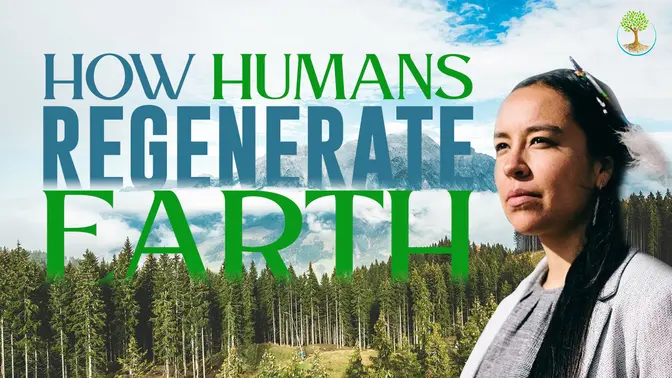
In the thought-provoking video "How Humans Regenerate Earth," narrated by Dr. Lyla June, the narrative unfolds a compelling and alternative perspective on humanity's relationship with the Earth. Dr. June challenges the prevailing notion of humans as inherently destructive by highlighting the millennia-long symbiosis between indigenous cultures and their environments. She eloquently illustrates how, through sophisticated land management practices rooted in deep ecological wisdom, native peoples have not only coexisted with nature but have actively contributed to its flourishing. Dr. June shares enlightening examples of how indigenous techniques have turned barren deserts into lush gardens and maintained ecological balance. By leveraging the natural contours of the land, native farmers in the southwest deserts harness monsoon rains for alluvial farming, eliminating the need for artificial fertilizers and irrigation. Similarly, the deliberate use of fire by indigenous peoples to manage grasslands demonstrates a profound understanding of ecological dynamics, promoting the growth of beneficial plants and ensuring the health and expansion of buffalo populations. Moreover, Dr. June explores the concept of nonhuman-centric systems, where the aim is not to exploit but to support all life forms. This is vividly depicted through the efforts of coastal nations in British Columbia, who enhance marine ecosystems by planting kelp forests, thus providing a haven for herring and, subsequently, nourishing a diverse range of species. Dr. June's narrative is a powerful reminder that humans have the potential to be regenerative forces on the planet. The video calls into question the misguided interpretations of lands managed by indigenous peoples as untouched wilderness, revealing them instead as intricate, living legacies of sustainable stewardship. "How Humans Regenerate Earth" not only celebrates the ingenious land management practices of indigenous cultures but also serves as an urgent call to rekindle humanity's dormant potential to live in harmony with the Earth. By embracing these ancient wisdoms, Dr. June posits that we can heal our fractured relationship with the planet and step into our roles as its caretakers, ensuring its health and abundance for generations to come.
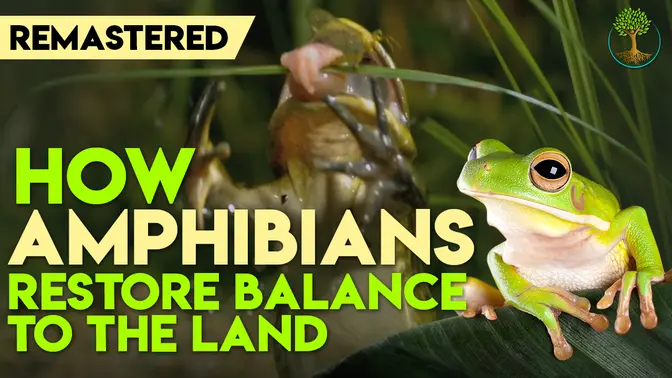
How Amphibians Restore Balance to the Land, narrated by Harvey Tweats, offers a fascinating glimpse into the overlooked yet vital role amphibians play in maintaining ecological harmony. Once dismissed as “foul and loathsome” creatures, amphibians are now recognized as indispensable allies in the fight against environmental degradation and climate change. This video unpacks their critical contributions to agriculture, water quality, disease prevention, and even climate regulation. From frogs acting as natural pest controllers to tadpoles cleansing polluted water bodies, amphibians demonstrate their profound impact on ecosystems. These humble creatures reduce outbreaks of diseases like malaria and Lyme disease by feeding on disease-carrying invertebrates, while their larvae help prevent eutrophication in aquatic habitats. The video also reveals the surprising role of salamanders in climate stabilization, as their feeding habits enhance soil health and reduce carbon emissions by curbing detritivore activity. Despite their incredible contributions, amphibians are among the most threatened animals on Earth. Species are disappearing at alarming rates due to habitat destruction, diseases like chytridiomycosis, and the global wildlife trade. The extinction of amphibians would have devastating consequences: failing crops, polluted water systems, dying forests, and an acceleration of climate change. Yet, beyond their ecosystem services, amphibians inspire wonder, their calls bringing life to forests and their presence sparking curiosity in children and adults alike. This video is a call to action, emphasizing that hope is not lost. Amphibians can recover through focused conservation efforts such as captive breeding and habitat restoration. By recognizing the vital roles these creatures play, we can ensure a future where amphibians, and the balance they bring to the natural world, are preserved for generations to come.

In this enlightening video, animal whisperer Anna Breytenbach delves into the fascinating realm of interspecies communication. By immersing herself in the perspective of different species, she uncovers their motivations and behaviors, emphasizing the importance of understanding animals not just as species, but as individuals with unique personalities, needs, and desires. Breytenbach explains how this empathic approach can bridge the gap between humans and animals, fostering a deeper connection and mutual understanding. Through a series of imagined activities, viewers are encouraged to step into the physical reality of various creatures. By visualizing life from the inside of a goldfish bowl or feeling the scales of a fish, we begin to lay the groundwork for truly perceiving an animal's thoughts and feelings. This exercise in empathy allows us to tap into the relational field that already exists between all living beings, where instinct and intuition play a crucial role. Breytenbach also touches upon the concept of "contextual instinct," where our unconscious mind picks up on the subtle cues and signals from the natural world around us. By asking pertinent questions and tuning into the energetic landscape, we can discern the needs and conditions of animals, plants, and other beings, translating their messages through our own experiences and emotions. In a world increasingly characterized by separation and distraction, Breytenbach urges us to reconnect with the natural environment and its inhabitants. She highlights the profound impact of feeling a sense of belonging and acting with deep care for all living things. By nurturing our relationships with nature, we can enrich our lives and rediscover the beauty of direct, experiential learning. This video serves as a powerful reminder of the intrinsic connections that bind us to the wild and the wisdom we can gain from truly listening to what nature has to say.

In "How Beavers Engineer The Land," the video illuminates the pivotal role beavers play in shaping and revitalizing ecosystems. These industrious creatures, often overlooked, are nature's skilled architects, capable of transforming landscapes in ways that benefit both their own species and countless others. The narrative takes us through the beavers' natural behaviors, from their dietary shifts with the seasons to their remarkable ability to construct dams, turning even the most modest streams into thriving wetland habitats rich in biodiversity. The video delves into the beavers' profound impact on their environment, highlighting their ability to mitigate floods and droughts, purify water, and contribute to groundwater recharge. It also explores the deep reverence North American tribes held for beavers, recognizing them as the "earth's kidneys" and appreciating their social nature and familial bonds. However, the arrival of Europeans marked a turning point, with beavers being hunted to near extinction for their commercial value, particularly for their pelts, which were highly sought after for hat-making. This large-scale eradication led to devastating ecological consequences, including the drying up of vibrant ecosystems and increased forest fires. Through "How Beavers Engineer The Land," viewers are invited to reconsider the intrinsic value of beavers, not just as animals, but as essential contributors to environmental health and restoration. The video makes a compelling case for the reintegration of these "little people" into landscapes across Europe and North America, offering a vision of renewed abundance and ecological balance.

In the enlightening video "How Trees Talk," Dr. Suzanne Simard takes viewers on a journey into the hidden, interconnected world beneath a forest's surface. This fascinating exploration reveals the complex and sophisticated network of mycorrhizal fungi, known as the "wood wide web," which connects trees in a dense, interdependent web of life. Dr. Simard explains how this underground network facilitates communication and resource sharing among trees, transcending species boundaries and functioning as a unified organism. The concept of "mother trees" is introduced, highlighting how these pivotal trees nurture younger ones, sharing nutrients and vital survival information through the mycorrhizal network. This intricate system allows for the transfer of carbon, defense signals, and wisdom from older, dying trees to the next generation, ensuring the forest's resilience and continuity. The video delves into groundbreaking research that uses isotope tracing to visualize the flow of resources and signals through this network, emphasizing the communal and cooperative nature of forest ecosystems. However, Dr. Simard also addresses the vulnerability of forests to human activities like clear-cut logging, which can disrupt these essential networks and lead to widespread ecological consequences. She warns of the tipping point where removing too many key trees – the "hub trees" – can lead to catastrophic collapse of the entire system. Such destruction affects not only the trees but also the broader environment, impacting water cycles, wildlife habitats, and contributing to climate change. The video concludes with a powerful message advocating for the preservation of old-growth forests, the guardians of genetic diversity and mycorrhizal networks. Dr. Simard calls for sustainable forestry practices that protect mother trees and their networks, allowing them to impart their wisdom to future generations. She emphasizes the need for diverse, multi-species replanting and natural regeneration to restore and maintain the health and resilience of forest ecosystems. Ultimately, "How Trees Talk" is a call to action to recognize and preserve the remarkable, cooperative intelligence of forests, fundamentally challenging the way we view and interact with these vital ecosystems.

What if it were possible to have close relationships with wild animals? Imagine unlocking a hidden world where silent understanding bridges the gap between us and nature's untamed. This exploration takes you beyond the ordinary, revealing a secret realm where mindfulness and self-awareness open the doors to extraordinary connections. Dive into the mystery and discover the subtle language of the wild, where every moment of stillness brings you closer to the heartbeats of the forest. The Secret To A Relationship With a Wild Animal" unveils the profound journey of connecting deeply with wildlife, as narrated by Steve Karlin. This insightful video explores the essence of forming a respectful and meaningful relationship with wild creatures, starting with a journey inward. Karlin emphasizes the importance of self-awareness and presence, illustrating that a true connection with animals requires a genuine understanding of oneself. He shares his experiences in Yosemite Park, where his meditative state allowed him to become a part of the natural world, witnessing the vibrant life that usually remains hidden to the bustling human presence. Karlin delves into the parallels between human and animal perception, explaining how different sensory experiences shape the reality of various species. He stresses the importance of respect and recognition of the intrinsic value of all living beings, advocating for an approach that sees animals as conscious beings with rights independent of human validation. The video highlights the contrast between human-centric views and a more holistic understanding of life, where every creature has its unique role and perspective. Furthermore, Karlin shares personal anecdotes, such as his experiences with his wolf, Cheyenne, to illustrate the depth of animal consciousness and the importance of mindfulness in interactions with them. He challenges viewers to reconsider their self-narratives and the impact these have on their ability to connect with the natural world. By advocating for inner work and self-reflection, Karlin reveals that when we clear our internal landscapes, we become more attractive and trustworthy to wild animals. "The Secret To A Relationship With a Wild Animal" is not just a guide to interacting with wildlife but a call to redefine our place in the natural world. It invites viewers to embark on a transformative journey of self-discovery, respect, and empathy, opening the door to magical encounters with our animal brethren. Support us: https://www.patreon.com/c/sustainablehuman

In "How Whales Change Climate," a groundbreaking narrative unfolds, revealing the monumental yet often overlooked role of whales in ocean ecosystems and global climate regulation. This video delves into the concept of trophic cascades and the surprising discovery that whales, the giants of the ocean, are pivotal not just as predators but as nurturers of marine life and balancers of the Earth's climate. Through their feeding habits and the remarkable phenomenon of "fecal plumes," whales contribute vital nutrients like iron and nitrogen to the ocean's surface, facilitating the growth of plankton, the foundation of the marine food web. The story deepens as it explores the intricate ways in which whales influence the ocean's biological pump. By feeding in the ocean's depths and releasing nutrients at the surface, whales enhance plankton growth, which in turn supports a richer marine biodiversity and plays a crucial role in carbon sequestration. This plankton not only forms the basis of marine food chains but also absorbs significant amounts of CO2, transferring it to the ocean floor over time. The video illuminates how the decline of whale populations has had far-reaching implications, impacting fish and krill numbers and disrupting this vital carbon capture process. "How Whales Change Climate" presents a compelling case for the conservation of whale populations as a natural and effective means to combat climate change. Highlighting the interconnectedness of all life, it suggests that the recovery of whale populations could be a key factor in mitigating the effects of human-induced climate change, drawing carbon out of the atmosphere and fostering a healthier ocean. Narrated by George Monbiot, this video is a call to action, urging us to recognize and protect the critical role whales play in sustaining the health of our planet. Support us: https://www.patreon.com/c/sustainablehuman

Embark on a journey to Yellowstone, where a few wolves did not just roam, but rewrote the rules of an entire ecosystem. Discover how these majestic predators triggered a cascade of life, transforming not only the park's wildlife but its very rivers and landscapes. It's a story of how nature's architects can reshape our world in ways we never imagined. #TrophicCascade #yellowstone #ecosystemrestoration #wildlifeconservation #naturelovers #biology #ecology #conservation #environment #naturedocumentary #sustainableliving
 Technology for HumanityGan Jing World is dedicated to promote kindness, respect, and trust among people. Our non-addictive content prioritizes meaningful information, while upholding freedom of speech and user privacy.
SUBSCRIBESign In