

How Is HRMS Transforming Modern Employee Management?

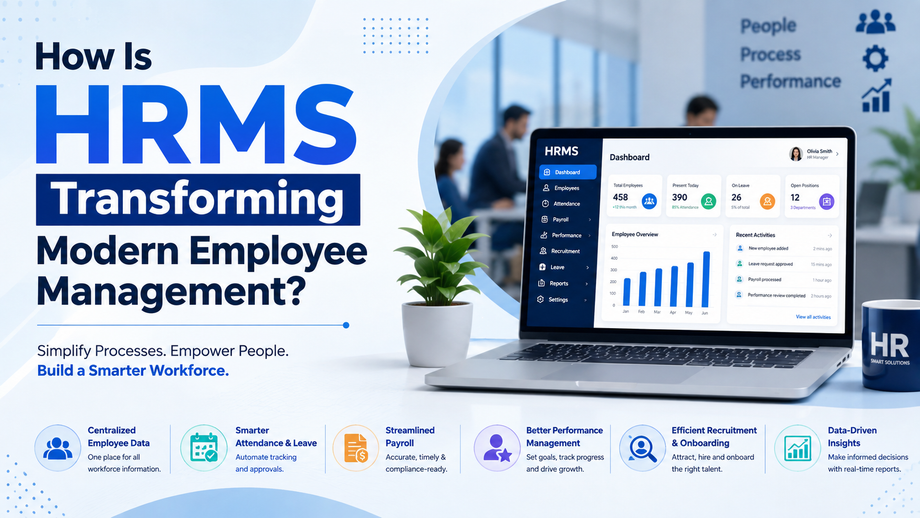
Businesses must manage people, processes, and workplace responsibilities with greater speed and accuracy. HRMS can bring these connected activities into one organized digital environment, helping HR teams reduce repetitive work and maintain clearer employee information. Instead of scattered spreadsheets, emails, and paper records, organizations can create a more consistent approach to everyday administration.
Why Are Businesses Moving Toward Digital HR Management?
Managing employees involves more than maintaining attendance records. HR departments often coordinate recruitment, onboarding, leave requests, payroll inputs, employee information, policy communication, performance reviews, and compliance-related documentation. When these responsibilities are handled manually, small delays can create larger administrative challenges.
Digital HR management brings these activities into a centralized environment. Authorized users can access relevant information, update records, and follow workflows without repeatedly searching through separate files. This creates a smoother experience while allowing HR professionals to focus on judgment, communication, and planning.
Making Employee Information Easier to Manage
Employee information changes regularly. Contact details, job roles, attendance records, leave balances, documents, and other information may need updates throughout an employee's journey. Keeping everything accurate becomes difficult when information is stored across different locations.
A centralized system can provide a structured employee database where authorized personnel can find essential information more efficiently. Better organization can reduce duplication and make updates easier to track. It can also help employees access selected information themselves, reducing unnecessary requests to HR teams.
Simplifying Everyday Attendance and Leave Processes
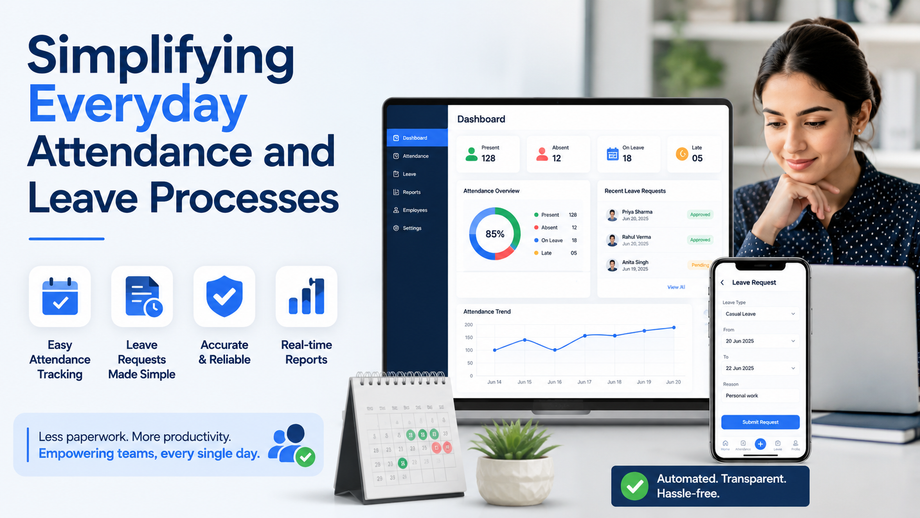
Attendance and leave management can consume significant administrative time, especially when organizations rely on manual records. Employees may need to submit requests, managers may need to approve them, and HR teams may need to update records afterward.
Digital workflows can connect these steps. Employees can submit requests electronically, managers can review them, and HR teams can monitor records from a centralized dashboard. This can reduce confusion, improve visibility into workforce availability, and improve productivity by minimizing repetitive administrative tasks and allowing employees and managers to focus more on their core responsibilities.
Supporting More Consistent Payroll Preparation
Payroll depends on accurate employee information and timely attendance, leave, compensation, and related inputs. Errors in these areas can lead to delays, corrections, and employee dissatisfaction.
An integrated HR platform can help organize payroll-related information and reduce repetitive data entry. By connecting relevant workforce records, organizations can improve consistency before payroll processing takes place. Requirements differ between businesses and regions, but organized data can make the process easier to review and manage.
Improving Recruitment and Onboarding Experiences
The employee journey begins before the first day. Recruitment teams need to coordinate candidate information, interview stages, documentation, communication, and joining formalities. Once a candidate is selected, onboarding introduces another set of responsibilities.
A digital HR environment can organize these activities through defined workflows. Recruiters and HR professionals can track progress, assign tasks, collect documents, and communicate information systematically. New employees can experience a smoother beginning when required steps are organized rather than handled through disconnected messages.
Creating Better Performance Management
Performance management works best when expectations, feedback, and progress are handled consistently. Relying only on occasional reviews may make it harder to identify challenges or recognize improvements throughout the year.
Digital performance workflows can help managers document goals, provide feedback, review progress, and maintain relevant records. This can encourage regular conversations between employees and managers. Over time, organizations may gain a clearer understanding of development needs and opportunities for recognition.
Helping Managers Make More Informed Decisions
Modern workforce decisions often depend on timely information. Managers may need to understand attendance, staffing requirements, leave trends, employee development, workforce costs, or task tracking data before making decisions.
A centralized HR platform can turn stored workforce information into useful reports and dashboards. These insights can support workforce planning and task tracking rather than relying on assumptions. By understanding task progress, workload distribution, and employee availability, managers can identify potential delays and allocate resources more effectively. Decision quality still depends on accurate information, appropriate access controls, and responsible interpretation.
Strengthening Employee Self-Service
Employees increasingly expect convenient access to routine workplace services. Waiting for HR teams to answer simple questions or process basic requests can create unnecessary delays.
Self-service capabilities can allow employees to view selected records, submit requests, download documents, update permitted information, and track workflow status. This can reduce administrative pressure while giving employees visibility into their workplace processes.
Building a More Organized HR Future
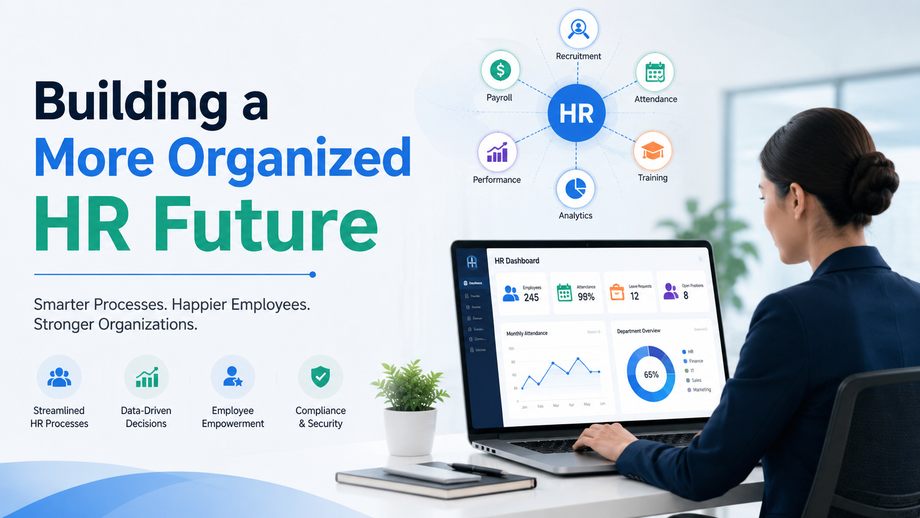
The value of digital HR management is not simply automation. It comes from connecting people, information, and processes in a way that makes work easier to coordinate. Organizations can gradually replace fragmented administrative practices with clearer workflows and more accessible information.
For HR teams, this can mean less administration and more time for engagement, workforce planning, and development. For managers, it can provide better visibility into workforce activities. For employees, it can create faster and more transparent access to everyday HR services.
As businesses continue to evolve, organizations that combine technology with thoughtful policies and human-centered management can build stronger workplace operations. HRMS can support this transformation by creating a more connected foundation for managing the modern workforce.
You can also watch:- Starting an HR Career at 19: The Journey from Lucknow to Mumbai | Future of Work ft. Princy Mishra
Conclusion
HRMS is transforming modern employee management by bringing essential HR processes into one organized, efficient, and accessible system. From attendance and payroll to performance tracking, employee data, and leave management, it helps businesses reduce manual work while improving accuracy and transparency. As organizations continue to evolve, adopting smarter HR technology can create smoother employee experiences, support better decision-making, and help HR teams focus more on people and strategic growth. Ultimately, HRMS is becoming an important part of building a more connected, productive, and future-ready workplace.
FAQs
What is the main purpose of an HR management system?
Its main purpose is to organize employee information and streamline routine workforce processes such as attendance, leave, onboarding, payroll-related administration, and performance management.
How can digital HR systems help employees?
They can provide convenient self-service options, faster request processing, easier access to selected records, and clearer visibility into workplace processes.
Can businesses use these systems for performance management?
Yes. Organizations can use digital workflows to establish goals, document feedback, monitor progress, and support more consistent performance discussions.
Why is centralized employee information useful?
Centralized information can reduce duplication, improve accessibility, simplify updates, and help authorized teams work with more consistent records.
Comments