

Can Application Performance Monitoring Transform The Way Modern Software Delivers Success?

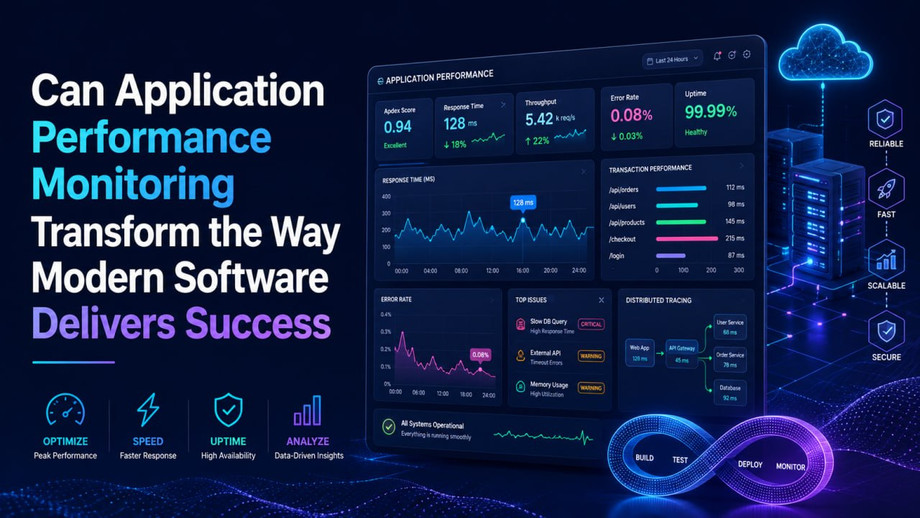
Every digital interaction creates an expectation of speed, consistency, and reliability. Whether someone is completing an online purchase, attending a virtual meeting, or accessing business software, even a slight delay can affect trust and satisfaction. This is why application performance monitoring has become an essential consideration for organizations that depend on technology to serve customers and support internal operations. Instead of reacting after problems occur, businesses are increasingly focusing on understanding system behavior before performance issues begin affecting users. This proactive mindset allows organizations to strengthen customer confidence while supporting continuous innovation in an increasingly competitive environment.
Why Digital Reliability Matters More Than Ever
Modern organizations operate in a world where software supports nearly every important business activity. Customers expect services to remain available regardless of location, time zone, or device. Employees also rely on stable business applications to complete daily responsibilities without interruptions.
A single delay can create frustration, reduce productivity, or even encourage customers to explore competing alternatives. Because expectations continue to rise, businesses cannot simply focus on delivering new features. They must also ensure that every feature performs consistently under changing workloads and increasing demand.
Reliable software strengthens customer relationships while reducing unnecessary operational stress. Organizations that prioritize consistent digital experiences often discover that dependable technology becomes an important competitive advantage rather than simply a technical requirement.
Understanding Software Behavior Beyond Surface-Level Metrics
Successful organizations recognize that system health involves much more than measuring uptime alone. A service may technically remain available while still delivering a poor user experience because of slow-loading pages, delayed transactions, or inconsistent responses.
Understanding how every component contributes to overall performance provides valuable insight into the complete digital journey. Development teams gain greater visibility into how databases, servers, networks, integrations, and cloud infrastructure interact with one another throughout normal operations.
This broader understanding enables organizations to identify patterns that might otherwise remain hidden. Rather than investigating isolated technical symptoms, teams begin recognizing relationships between infrastructure, software architecture, customer experience, and workforce planning. When technical insights are aligned with resource allocation and team capacity, organizations can make more informed decisions, improve operational efficiency, and ensure the right people are available to support critical systems and long-term business objectives.
Creating Better Experiences Through Continuous Visibility
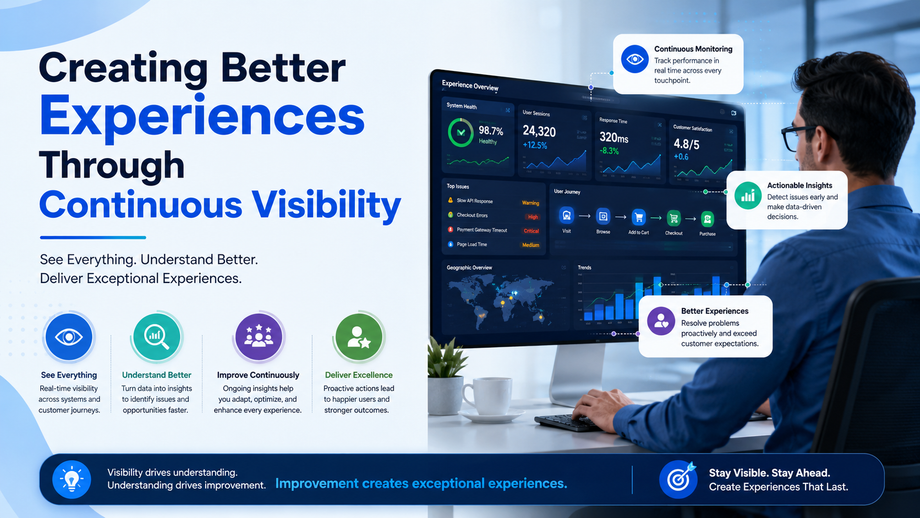
Customers rarely think about the complexity behind modern applications. They simply expect every interaction to work quickly and accurately. Businesses that maintain continuous visibility into system activity are better prepared to meet these expectations.
Real-time awareness allows technical teams to recognize unusual behavior before small disruptions become larger operational problems. Instead of waiting for customer complaints, organizations can identify emerging performance changes and respond with greater confidence.
This approach also encourages stronger collaboration between developers, operations teams, and business leaders because everyone gains access to meaningful operational insights. Shared visibility supports faster decision-making while reducing uncertainty during unexpected situations.
Supporting Business Growth Without Sacrificing Stability
Growth often introduces new technical challenges. Expanding customer bases, additional digital services, increased transactions, and evolving infrastructure all create additional pressure on software environments.
As organizations scale, operational processes such as Bi-Weekly Pay also become increasingly important for supporting a growing workforce. Efficient payroll schedules, combined with reliable system performance, help businesses maintain employee satisfaction while ensuring that critical business applications continue to operate smoothly as demand increases.
Organizations that prepare for expansion through thoughtful observation gain greater confidence when introducing new products or serving larger audiences. Rather than worrying about unexpected bottlenecks, teams can better understand existing capacity while planning future improvements.
This preparation reduces unnecessary risks associated with rapid business growth. Decision-makers gain valuable information that supports infrastructure planning, technology investments, and long-term digital strategies without relying entirely on assumptions.
Strengthening Collaboration Across Technical Teams

Modern software development depends on collaboration between multiple departments. Developers build new features, operations professionals maintain infrastructure, security specialists protect sensitive information, and business leaders focus on organizational goals.
Shared operational insights encourage these teams to work together using common information rather than separate assumptions. Clear visibility reduces misunderstandings while improving communication during both routine development and unexpected incidents.
When everyone understands how software behaves under different conditions, organizations can resolve challenges more efficiently while maintaining greater confidence in future releases. Strong collaboration ultimately supports both technical excellence and improved customer satisfaction.
Building Confidence Through Continuous Improvement
Technology continues evolving alongside changing customer expectations. Organizations that embrace continuous improvement recognize that every release creates opportunities for learning rather than simply delivering new functionality.
Historical trends, recurring patterns, and operational observations help organizations make smarter long-term decisions. Instead of repeating previous mistakes, teams gain practical knowledge that supports stronger planning and more informed development strategies.
Continuous improvement also encourages innovation because technical teams feel more confident introducing meaningful enhancements when supported by reliable operational insights. Businesses become better equipped to balance innovation with stability while maintaining consistent service quality.
Conclusion
Long-term digital success depends on delivering reliable experiences that customers and employees can trust every day. As technology environments continue becoming more connected and complex, application performance monitoring provides organizations with valuable visibility that supports proactive decision-making, stronger collaboration, and continuous improvement. Businesses that invest in understanding system behavior today position themselves for greater resilience, improved customer satisfaction, and sustainable growth in the future.
FAQs
What makes software reliability important for businesses?
Reliable software improves customer satisfaction, reduces operational disruptions, strengthens employee productivity, and supports long-term business growth.
How can organizations reduce unexpected system interruptions?
Continuous observation of software behavior, early issue detection, regular optimization, and proactive maintenance help minimize unexpected disruptions.
Why is customer experience connected to software performance?
Fast, stable, and responsive digital services create positive user experiences, while delays and errors often reduce customer confidence and loyalty.
How does continuous improvement benefit technology teams?
Continuous improvement helps teams learn from previous experiences, optimize future releases, improve collaboration, and deliver more dependable software over time.
Comments