

Scoliosis Surgery: Things to Consider

Scoliosis is a condition that leads to the spine becoming curved on the sides, which is often in the form of an S or even C. Mild cases of scoliosis might not create many issues, but moderate and severe cases may result in pain, alterations in posture, difficulties breathing, and mobility. In other patients, surgery may be a significant intervention when other interventions are ineffective to manage the course of the spinal curve.
In the case of Advanced Neurosurgery Associates, our experts aim to offer individualized treatment and advanced spine procedures to enable patients to be able to live better lives as their spinal conditions are improved. In the case of scoliosis surgery, patients and family members should be informed about the advantages, risks, recovery, and available alternative treatment measures.
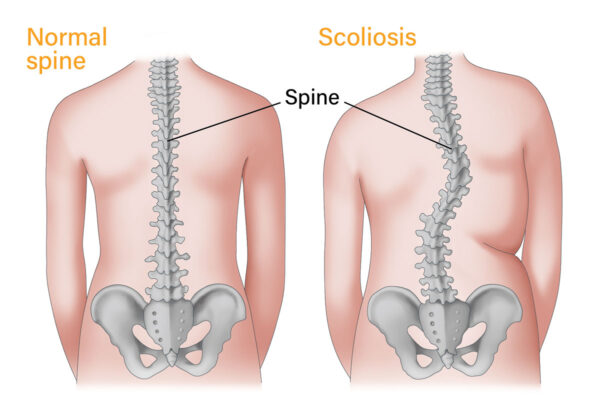
Understanding Scoliosis
Scoliosis can affect both children and adults. In many cases, the condition develops during adolescence, but it can also appear later in life due to spinal degeneration, injury, or other medical conditions.
Common symptoms of scoliosis include:
- Uneven shoulders or hips
- One shoulder blade appears more prominent
- Back pain or stiffness
- Difficulty maintaining proper posture
- Visible spinal curvature
While mild cases may not require major treatment, more severe curves may progress over time and eventually require surgical intervention.
When Is Scoliosis Surgery Recommended?
Doctors usually recommend surgery when the spinal curve becomes severe or continues to worsen despite conservative treatment.
In general, surgery may be considered when:
- The spinal curve exceeds 40–50 degrees
- The condition is progressing rapidly
- The patient experiences chronic pain
- The curve begins to affect breathing or organ function
- Non-surgical treatments are no longer effective
Patients searching for scoliosis surgery in NJ often seek experienced neurosurgeons who can evaluate their condition carefully and recommend the most appropriate treatment plan.
Types of Scoliosis Surgery
Scoliosis surgery has advanced significantly over the years. Modern surgical techniques aim to correct spinal curvature while maintaining flexibility and improving stability.
1. Spinal Fusion
Spinal fusion is the most common surgical treatment for scoliosis. During this procedure, surgeons join two or more vertebrae together using bone grafts and specialized implants such as rods and screws. This stabilizes the spine and prevents further curvature.
2. Minimally Invasive Spine Surgery
In some cases, surgeons may use minimally invasive techniques that involve smaller incisions and less tissue disruption. These procedures can reduce recovery time and postoperative discomfort.
3. Growth Modulation Techniques
For younger patients whose bones are still growing, surgeons may use specialized implants that guide spinal growth and gradually correct the curve over time.
Benefits of Scoliosis Surgery
When performed by experienced spine specialists, scoliosis surgery can provide several important benefits.
- Corrects or significantly reduces spinal curvature
- Prevents the condition from worsening
- Improves posture and spinal alignment
- Reduces pain and discomfort
- Enhances breathing and overall physical function
Many patients experience improved confidence and quality of life after successful treatment.
Risks and Safety Considerations
A common concern patients have is: Is scoliosis surgery dangerous?
Like any major medical procedure, scoliosis surgery carries certain risks. However, advances in surgical technology, imaging, and monitoring systems have significantly improved safety and outcomes.
Potential risks may include:
- Infection
- Bleeding
- Nerve irritation
- Implant complications
- Longer recovery in complex cases
At Advanced Neurosurgery Associates, our surgical team uses modern techniques and careful planning to minimize these risks and ensure the safest possible outcomes for our patients.
Recovery After Scoliosis Surgery
Recovery time can vary depending on the patient’s age, health, and the complexity of the surgery.
Most patients can expect:
- A hospital stay of several days
- Gradual return to daily activities within weeks
- Physical therapy to strengthen the spine
- Full recovery over several months
Following the surgeon’s instructions during recovery is essential to ensure proper healing and long-term results.
Non-Surgical Treatment Options
Not every patient with scoliosis needs surgery. In many cases, doctors recommend non-surgical approaches first.
These may include:
- Physical therapy
- Bracing for adolescents
- Pain management techniques
- Posture correction exercises
- Regular monitoring of spinal curvature
Early diagnosis plays an important role in preventing scoliosis from progressing to the point where surgery becomes necessary.
Choosing the Right Spine Specialist
Scoliosis treatment requires expertise, advanced imaging technology, and a personalized approach. Patients should seek experienced neurosurgeons who specialize in spine disorders and have extensive experience treating scoliosis.
At Advanced Neurosurgery Associates, our team carefully evaluates each patient’s condition before recommending any treatment. We prioritize patient education, ensuring individuals and families fully understand their options and feel confident about their care decisions.
People Also Ask
What degree of scoliosis requires surgery?
Surgery is typically recommended when the spinal curve reaches 40 to 50 degrees or continues to worsen despite non-surgical treatments.
How much does scoliosis surgery cost?
The cost of scoliosis surgery can vary depending on the hospital, surgeon, and complexity of the procedure. Insurance coverage, location, and post-surgical care can also affect the overall cost.
How to fix scoliosis without surgery?
Mild scoliosis may be managed with physical therapy, posture correction exercises, bracing for adolescents, and regular medical monitoring.
Can adults have scoliosis surgery?
Yes. Adults with severe spinal curvature, chronic pain, or nerve compression may benefit from surgical correction when conservative treatments are not effective.
How long does scoliosis surgery take?
Most scoliosis surgeries take between four and eight hours, depending on the severity of the spinal curve and the complexity of the procedure.
Conclusion
Surgery is another treatment choice that can be used to treat patients with severe spinal curves or increasing symptoms. The procedure, benefits, risks, and recovery can be understood to enable patientsto make good decisions about the care.
In the case of Advanced Neurosurgery Associates, our highly qualified spine surgeons are committed to offering high-level diagnosis, testing, and customized therapies to patients with scoliosis and other causes in the spine. Our practice is aimed at assisting patients in obtaining superior spinal positioning, less pain, and enhanced quality of life with the help of skillful treatment and advanced surgical methods.
Call to Action
In case you have the symptoms of scoliosis or spine curve, or your loved one, do not forget to book an appointment with Advanced Neurosurgery Associates today. Our experts will be available to assess your case and help you choose the best course of treatment to achieve long-term spine health.