


Aging, sun exposure, and lifestyle choices lead to sagging skin, wrinkles, and fine lines. Modern aesthetic medicine offers multiple solutions to restore firmness and youthfulness. Among these options, many people now compare HIFU Treatment in Islamabad with traditional skin tightening procedures to decide which works better. Understanding their differences, benefits, and suitability is important before choosing the right approach.
What is HIFU Treatment: How Does It Work?
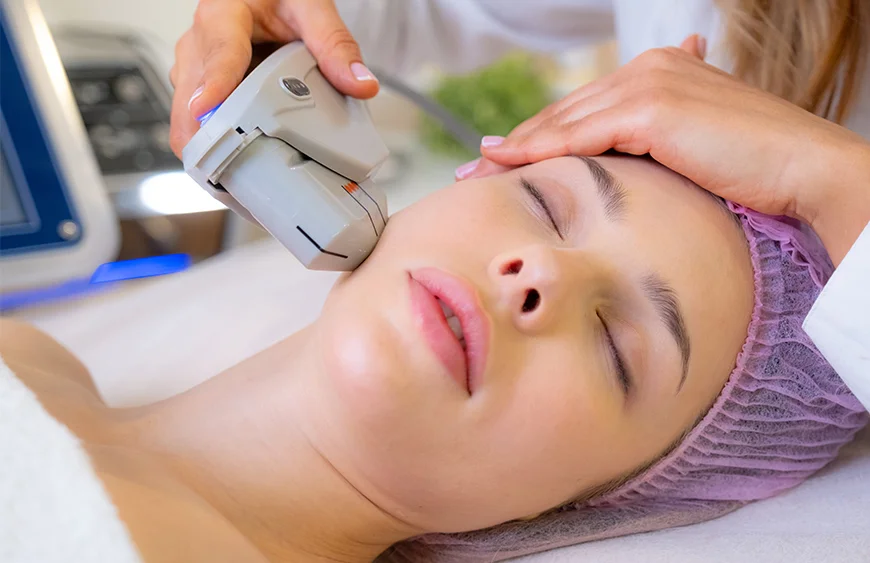
High-Intensity Focused Ultrasound (HIFU) is a non-invasive treatment that uses ultrasound energy to target the deeper layers of skin. The technology stimulates natural collagen production, resulting in gradual tightening and lifting of the skin. Unlike treatments that only address the surface, HIFU goes deeper without cutting or damaging the skin.
How Traditional Skin Tightening Works: Which Methods Are Used?
Traditional skin tightening methods include radiofrequency therapy, laser treatments, and invasive surgical lifts. These approaches either heat the skin surface or involve incisions for immediate results. While effective, they often require downtime and may carry higher risks compared to non-invasive methods like HIFU.
Key Differences Between HIFU and Traditional Methods: Where Do They Stand?
| Aspect | HIFU Treatment | Traditional Skin Tightening |
|---|---|---|
| Invasiveness | Non-invasive, no cuts or injections | May involve surgery or lasers |
| Recovery | Minimal to none | Downtime often required |
| Depth of Treatment | Targets deeper skin layers | Usually works on surface or mid-layers |
| Natural Collagen Boost | Strong stimulation | Limited or combined with external aids |
Why Patients Prefer HIFU: What Benefits Stand Out?
- Provides natural lifting without surgery
- Long-lasting results as collagen develops gradually
- Safe for face, neck, and delicate areas
- Minimal discomfort and no scars
- Suitable for people who avoid invasive options
When Traditional Methods Are Considered: Who Should Choose Them?
Traditional techniques may be ideal for individuals with severe skin laxity or those who want instant results. Surgical facelifts or laser therapies often deliver dramatic improvements but come with recovery time, potential risks, and visible side effects.
Effectiveness Comparison: Which Delivers Better Results?
| Criteria | HIFU Results | Traditional Results |
|---|---|---|
| Speed of Outcome | Gradual improvement over months | Immediate but with recovery period |
| Longevity | Lasts up to 1–2 years with maintenance | Longer in surgical cases, but invasive |
| Safety | High safety profile | Risk of scars, burns, or infection |
| Comfort Level | Mild discomfort, no anesthesia needed | May require anesthesia or numbing |
Who Should Consider HIFU: What Skin Concerns Does It Treat?
HIFU works best for people experiencing:
- Early signs of aging such as mild wrinkles
- Loose skin around the chin, neck, or jawline
- Individuals preferring gradual, natural improvement
- Those avoiding surgical risks and long downtime
Long-Term Outlook: Can HIFU Replace Traditional Options?
HIFU does not fully replace traditional methods, especially in severe cases where surgery may be unavoidable. However, it is becoming a preferred choice for many who want safe, natural, and non-invasive results. Its popularity continues to rise as patients prioritize convenience and gradual skin rejuvenation.
Conclusion:
Deciding between HIFU and traditional skin tightening depends on individual goals, skin condition, and expectations. For people seeking a non-surgical, safe, and natural approach, HIFU is often the better choice. Traditional methods still hold value in cases requiring dramatic changes, but the future of skin rejuvenation is clearly moving toward advanced non-invasive treatments like HIFU.
Comments