


Maybe you’ve typed something into a search bar at 2 a.m. and then deleted it. Plenty of women have. If you’re looking into adoption support for birth mothers, you likely have questions that feel too raw or too awkward to say out loud. So let’s say them here. Nobody’s grading you here, so relax. Just straight talk about what to ask, who to ask, and what a decent answer actually sounds like.
Do I have to decide right now?
No. Honestly, anyone who says otherwise is a red flag. Pregnancy brings enough pressure without a stranger adding a deadline. A good counselor will slow things down, go over every option including parenting, and let you leave the room undecided. Texas builds a waiting period after birth into the process before consent can be signed, which exists for exactly this reason. Take notes, bring a friend if you can, and call back with the questions that pop up later.
Who pays for what?
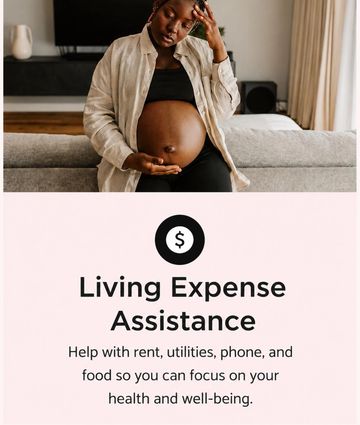
Money questions feel rude, but ask them anyway. Don’t worry about sounding greedy. Can the agency help with medical bills, rent, or transportation to appointments? What’s allowed varies, and legitimate help has limits set by law. Get the answer written down. And be careful with anything that feels like payment in exchange for a promise. Real help doesn’t come with strings attached. You’re allowed to ask who’s covering what, why, and whether accepting it changes any of your rights.
Can I talk to someone outside the agency?
Yes, and it’s worth doing. An agency counselor knows the process well, but they’re also part of it. An independent attorney or therapist has no stake in the outcome. Bring a list if that helps. Ask them to explain what signing consent really means, what can’t be undone, and which rights you keep afterward. Some women feel awkward doing this, like it’s a betrayal. It isn’t. It’s called making sure you understand your own decision before you make it.
Who else will know?
Privacy worries keep a lot of women quiet. Parents, bosses, an ex, the neighbor two doors down. So ask early about confidential adoption services and what they really cover. Be specific. Who can open your file? Where’s it kept? What does the adoptive family see, and what stays with you? Then talk about future contact, whether you’d want letters, photos, visits, or nothing at all. Those preferences can shift over the years, so ask how arrangements get adjusted.

What happens afterward?
Nobody warns you about the quiet part. The paperwork’s done, the hospital bag is packed away, and suddenly the phone stops ringing. Grief can show up weeks later, even when you’re sure about your choice. That’s normal, and it’s okay. Ask whether counseling continues after placement, how long it lasts, and what it costs. Ask about support groups too. Some women want company, some want a private room and a tissue box. Either way, somebody should still be checking in.
Where to go from here
None of these questions are silly. Write them on your phone, on a receipt, on your hand if you must, and bring them along. If you’d like to see how one Houston nonprofit lays out its services for expectant mothers, take a look at caringadoptions.org and compare it with what you’ve read here. Then go at your own speed. Whatever you decide, you should come away feeling heard, informed, and fully in charge of the choice.
Comments