

Turnkey Aluminum Coil Coating Line Projects: How HiTo Engineering Supports Design, Installation, and Training
Every successful turnkey project begins long before steel is cut or concrete is poured

Buying a coil coating line is not like ordering a piece of off-the-shelf equipment. It is a long-term investment that touches everything from factory layout and utility planning to operator skills and maintenance routines. That is precisely why HiTo Engineering has built its business around turnkey project delivery rather than simply shipping machinery. The company stays involved from the first feasibility discussion through to the day the line is running at rated capacity with a trained team behind it. For producers entering the prepainted aluminum coil coating line market or expanding existing capacity, that kind of end-to-end support can make the difference between a smooth ramp-up and a costly, drawn-out commissioning period.
Starting With a Clear Understanding of the Customer's Goals
Every successful turnkey project begins long before steel is cut or concrete is poured. HiTo's engineering team typically starts by sitting down with the customer to map out what the line actually needs to achieve. That means asking detailed questions about target products, coil dimensions, coating systems, expected annual output, available floor space, and local utility conditions. From there, the team develops a technical proposal that matches equipment specifications to real production ambitions rather than generic catalog figures. Getting this front-end alignment right saves enormous time later, because it prevents the kind of mid-project surprises that derail budgets and schedules.
Engineering and Layout Tailored to the Site
Once the goals are clear, the focus shifts to detailed design and plant integration. A coating line is a long, linear asset, and how it fits into an existing building often dictates key decisions about accumulator sizing, oven placement, and coil handling routes. HiTo's engineers prepare layout drawings that account for crane access, maintenance clearances, chemical storage, and finished coil storage, so the line does not just function in isolation but fits naturally into the wider plant flow. Utility requirements for power, gas, water, and compressed air are calculated early, allowing the customer to plan infrastructure work in parallel with equipment fabrication instead of scrambling at the last minute.
Manufacturing Quality and Pre-Shipment Verification
With the design frozen, fabrication begins at HiTo's manufacturing facilities, where critical components such as coating heads, ovens, and tension systems are built and assembled. A key advantage of the turnkey model is that major sections can be pre-assembled and tested before shipment, which reduces surprises on site. Factory acceptance testing gives the customer an opportunity to review workmanship, witness trial runs of key subsystems, and confirm that specifications are being met. Shipping and logistics are also coordinated as part of the package, so equipment arrives in the right sequence for installation rather than piling up in the yard waiting for the building to be ready.
On-Site Installation and Commissioning Support
Installation is where turnkey projects either gain momentum or lose it, and HiTo addresses this by providing experienced supervision throughout the assembly phase. The company's engineers work alongside the customer's contractors or preferred installers, guiding alignment, mechanical and electrical hookups, and system integration. Once the line is physically complete, commissioning begins: cold trials, threading of the first coils, coating trials, and gradual speed increases until the line reaches its specified performance. This staged approach allows issues to be caught and corrected while the customer's team is watching and learning, which pays dividends long after the HiTo engineers have left site.
Structured Training for Operators and Maintenance Teams
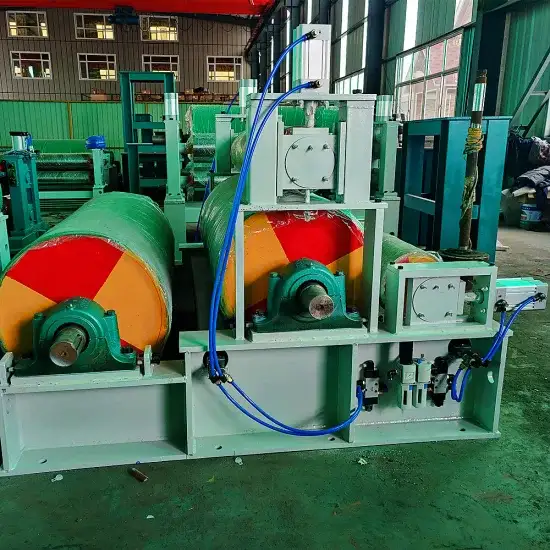
A high-performance line is only as good as the people running it, so training forms a central pillar of every turnkey project. HiTo delivers structured programs covering line operation, recipe management, coating thickness control, oven management, and routine maintenance. Training usually combines classroom sessions with hands-on work during commissioning, so operators practice on the real equipment under supervision rather than learning from manuals alone. Maintenance staff receive dedicated guidance on roll inspection, bearing care, and troubleshooting common faults. The goal is simple: by the time the project closes, the customer's team should be able to run the line safely and efficiently without relying on external support.
After-Sales Service and Long-Term Partnership
Turnkey delivery does not end at handover. HiTo maintains after-sales support that includes spare parts availability, technical assistance, and periodic service visits to help customers keep the line performing at its best. Remote diagnostics and responsive communication channels allow many issues to be resolved quickly without waiting for an engineer to travel. For many customers, this ongoing relationship is as valuable as the equipment itself, because it provides confidence that help is available when production pressures are highest. It also gives HiTo feedback that feeds back into future designs.
Why Turnkey Delivery Suits Today's Coil Coaters
The prepainted aluminum market rewards producers who can move quickly from investment decision to reliable output. Turnkey project delivery, done properly, compresses that timeline by placing design, installation, and training under one accountable partner. HiTo Engineering's model reflects a practical understanding that customers are buying a working production capability, not a collection of machines. By supporting every stage of the project with engineering expertise and hands-on training, the company helps coaters start up with confidence and build a foundation for long-term, efficient operation.
Comments