

A Complete Guide to Custom Cricket Bat Stickers: Design, Printing and Personalisation
As printing technology evolves, personalized cricket bat stickers have become an increasingly popular option for players who want a professional appearance without changing their bat's underlying construction.

Cricket bats are more than sporting equipment for many players. They represent personal style, team identity and a connection to the game. From amateur cricketers playing weekend matches to club-level competitors and young players developing their skills, customised bat graphics offer a simple way to make equipment distinctive.
As printing technology evolves, personalized cricket bat stickers have become an increasingly popular option for players who want a professional appearance without changing their bat’s underlying construction.
Beyond appearance, well-designed stickers can help display player names, team colours, sponsor logos and club branding. Understanding the materials, design choices and printing processes involved helps players and teams make informed decisions when personalising their cricket equipment.
The Growing Trend Towards Custom Cricket Bat Designs
Personalisation has become an important part of modern sports equipment. Players increasingly look for ways to distinguish their gear, particularly in team environments where several bats may have similar shapes and finishes.
Cricket bat graphics can incorporate bold colours, distinctive typography, national or club colours, initials and sponsor identities. Junior cricket academies may use consistent designs across their squads, while local clubs can coordinate bat graphics with their wider visual identity.
The trend also reflects developments in digital printing. Modern printing methods make it easier to reproduce detailed artwork, gradients and multiple colours with consistent results. This gives players greater flexibility when creating unique cricket bat stickers that reflect their preferences.

For retailers, cricket academies and equipment suppliers, customised graphics can also provide opportunities to develop recognisable product ranges and strengthen brand presentation.
Choosing the Right Design and Printing Materials
The appearance and durability of a sticker depend on more than its artwork. Material selection, adhesive performance and surface preparation all influence the finished result.
Before arranging custom cricket bat stickers, consider the following factors:
- Material flexibility: The sticker should suit the bat’s surface and intended application. Flexible materials can help the graphic sit neatly against gently curved areas.
- Adhesive compatibility: Cricket bats may have different finishes, protective coatings and surface textures. The adhesive must be appropriate for the intended surface.
- Print quality: Clear text, defined edges and accurate colours are especially important when reproducing club crests, sponsor logos or detailed artwork.
- Protective finish: A suitable laminate or protective coating may help resist minor abrasion and everyday handling, depending on the material and application.
- Sticker dimensions: Artwork should fit the available area without interfering with the bat’s handle, edges or existing protective coverings.
It is also important to distinguish decorative stickers from protective bat tape. Stickers are primarily designed for visual identification and branding, whereas protective materials may serve a functional purpose. Neither should be assumed to improve batting performance simply because it changes the bat’s appearance.
How to Create Effective Cricket Bat Artwork
A successful design balances visual impact with readability. Cricket bats have relatively narrow surfaces, so artwork that looks impressive on a computer screen may become difficult to read when printed at its final size.
Start by deciding what the design needs to communicate. A personal bat might feature a name or initials, while a club design may prioritise a badge, team colours and sponsor information. Limiting the number of competing elements generally produces a cleaner result.
A practical design checklist includes:
- Use high-resolution artwork to avoid blurred logos and lettering.
- Check spelling, names, numbers and sponsor details before approving the design.
- Choose contrasting colours so important elements remain visible.
- Keep essential text away from edges where trimming or application could affect it.
- Request a digital proof to check proportions, placement and colour balance.
- Confirm the final dimensions and bleed requirements with the printer.

Players who do not have graphic design experience may benefit from working with a cricket bat sticker maker or a printing provider that can prepare artwork from basic instructions. Supplying a clear reference image, preferred colours and the exact bat dimensions can reduce misunderstandings and unnecessary revisions.
Common Challenges and How to Avoid Them
One common challenge is poor adhesion. Dust, moisture, surface oils and incompatible finishes can prevent a sticker from bonding properly. Before application, follow the material manufacturer’s cleaning instructions and ensure the surface is dry. Test compatibility on a small, inconspicuous area when appropriate.
Another issue is colour inconsistency. Colours displayed on a mobile phone or computer monitor may not match the printed result because screens and printing processes reproduce colour differently. Reviewing a proof and providing suitable logo files can help manage expectations.
Incorrect sizing is equally frustrating. A design that extends too close to a curved edge may wrinkle or lift during application. Measuring the available area before production and confirming the printer’s specifications can help prevent this problem.
Players should also consider the conditions in which their equipment will be used. Repeated handling, friction and exposure to moisture can affect sticker longevity. Applying graphics carefully and following the supplier’s maintenance advice can help preserve their appearance.
Finally, stickers should not be used as a substitute for proper bat maintenance. Cracks, damaged edges and other structural problems require appropriate inspection and repair rather than cosmetic covering.

Where to Find Personalised Cricket Bat Sticker Printing
Different users have different requirements. Individual players may need a single design featuring their name, whereas clubs, academies and retailers may require multiple sets with consistent colours and branding.
When comparing suppliers, examine their experience with custom graphics, available materials, minimum order quantities, artwork support and expected production times. It is also useful to ask whether they can reproduce supplied logos accurately and whether the finished stickers are suitable for the intended surface.
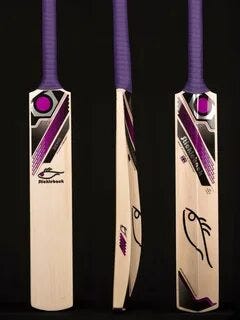
For UK customers researching specialist printing options, The Quantum Print provides a relevant example of a provider offering cricket bat sticker printing. Reviewing product specifications and discussing application requirements before placing an order can help ensure that the chosen solution matches the intended use.
Whether the requirement is for a personal design, a club identity or coordinated team equipment, clear communication with the printer is essential for achieving consistent results.
Conclusion
Personalised cricket bat stickers combine individual expression with practical opportunities for team identification, sponsorship and equipment branding. Their quality depends on thoughtful artwork, suitable materials, accurate sizing and careful application.
By checking surface compatibility, reviewing print proofs and selecting a design that remains readable at its final size, players can avoid common problems and achieve a professional finish. Ultimately, effective customisation is not simply about making a bat look different; it is about creating a distinctive design that suits the player’s needs while preserving the equipment’s proper care and function.
Contact Us : https://www.thequantumprint.com/contact-us/
About Us : https://www.thequantumprint.com/about-us/
Social Media :
- Cosmetic Box Printing: How Packaging Supports Beauty Brands in the UK
In the cosmetics industry, packaging does more than protect a product. It can influence how customers perceive quality…smautoservicecouk.blogspot.com - https://dailystorypro.com/https-www-thequantumprint-com-box-packaging-print-box-packaging-uk/
- https://choralnet.org/p=876704&preview=true&_preview_nonce=70e08d39f5
- https://xuzpost.com/https-www-thequantumprint-com-box-packaging-custom-printed-popcorn-boxes-manchester/
- Is The Quantum Print a Trustworthy Printing Company in the UK? - The Quantum Print & Packaging
Is The Quantum Print a trustworthy printing company in the UK? Discover 7 checks for custom packaging quality, pricing…www.thequantumprint.com - https://www.thequantumprint.com/how-reliable-is-the-quantum-print/
Comments