

Empowering Dancers Through Inclusive Performances

Dance is a universal language that allows people to communicate emotions, stories, and ideas without relying entirely on words. In India, inclusive dance is becoming an increasingly meaningful part of the performing arts, creating opportunities for people with disabilities to perform before diverse audiences. The journey of a handicapped dancer in india demonstrates how dedication, training, and access to opportunities can transform individual talent into a powerful professional performance.
Changing Perceptions Through Performance
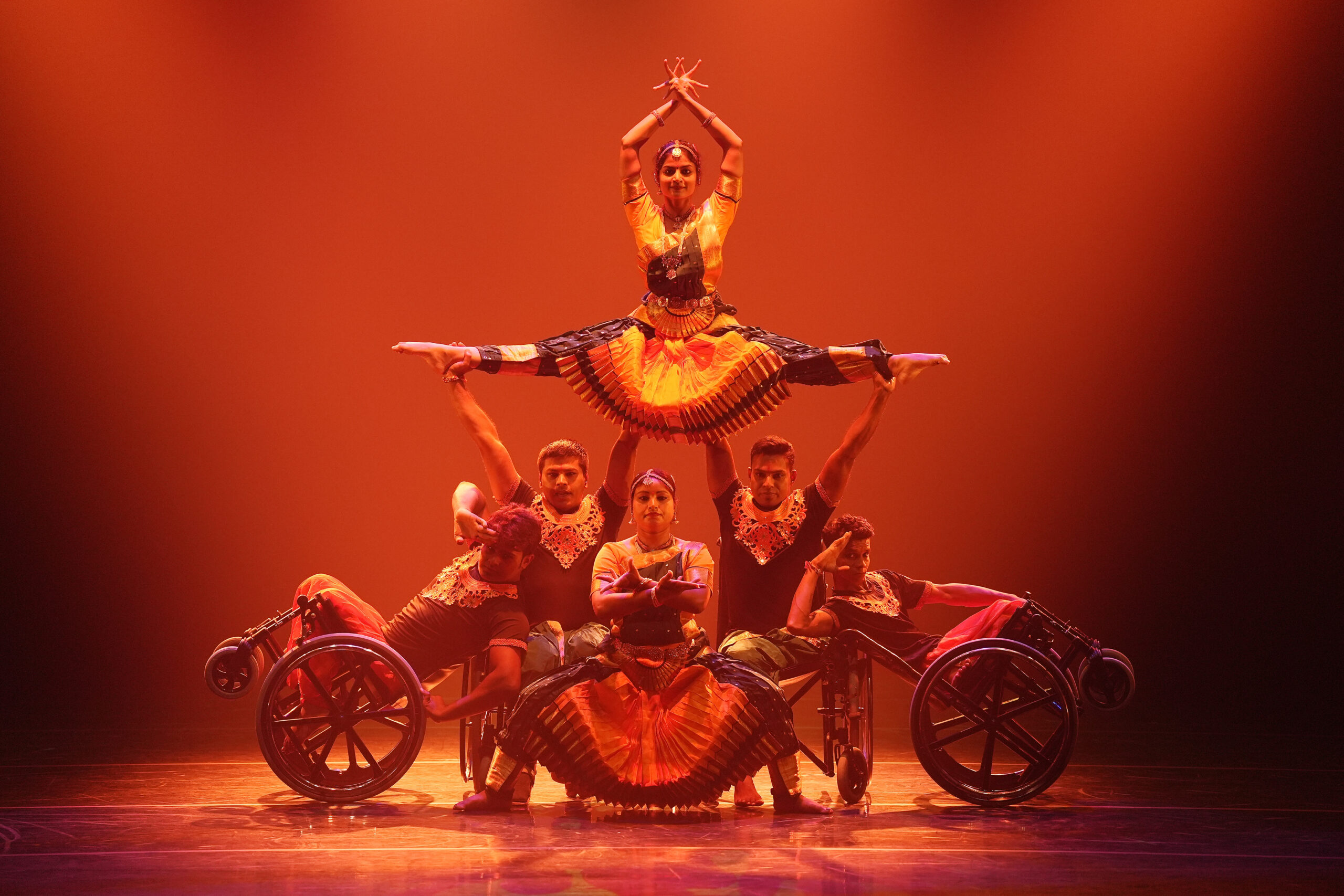
For many years, people with disabilities have often been represented primarily through limitations rather than abilities. Inclusive dance challenges this approach by placing skill, creativity, discipline, and artistic expression at the center of the performance.
A dancer with a disability can develop specialized techniques that suit their physical abilities. Choreographers can adapt routines without compromising artistic quality, using formations, music, expressions, props, and coordinated movements to create compelling performances. This approach allows dancers to participate as artists rather than being defined by disability.
The Role of Training and Opportunity
Talent is only one part of becoming a successful performer. Consistent practice, professional choreography, teamwork, stage awareness, and confidence are equally important. Inclusive dance groups provide an environment where performers can develop these skills while working alongside other dancers.
Regular rehearsals also help performers understand timing, transitions, formations, and stage positioning. Over time, these experiences can improve confidence and encourage dancers to pursue larger artistic opportunities.
Why Inclusive Performances Matter at Events
Businesses, educational institutions, cultural organizations, and community groups increasingly use performances to communicate messages about diversity and inclusion. An inclusive dance presentation can add entertainment value while also encouraging audiences to think differently about accessibility and representation.
Organizations interested in an inclusive performance group booking should consider practical factors such as venue accessibility, stage dimensions, performance duration, technical requirements, seating arrangements, and rehearsal access. Early communication between event organizers and the performance group can help create a smooth and comfortable experience for everyone involved.
Creating Accessible Performance Spaces
Inclusion does not stop at selecting performers. The venue itself should be accessible and welcoming. Ramps, suitable backstage areas, accessible restrooms, appropriate stage access, and sufficient movement space can make a significant difference.
Event planners should also communicate clearly with performers about schedules, transportation, sound requirements, lighting, and stage arrangements. Small planning decisions can help performers focus on delivering their best performance.
Inspiring the Next Generation
Visibility matters. When children and young people with disabilities see professional dancers with similar experiences performing confidently, it can broaden their understanding of what they may be able to achieve. Inclusive performances can therefore have an influence beyond the event itself.
They can encourage participation in dance, theater, sports, education, and other creative activities while helping audiences appreciate diversity as a natural part of society.
Conclusion
The growth of inclusive dance represents an important development in India's performing arts. A handicapped dancer in india can demonstrate extraordinary creativity and dedication when provided with training and meaningful opportunities. Through thoughtful inclusive performance group booking, organizations can support accessible entertainment while giving talented performers a platform to connect with audiences and inspire positive social change.