


Silver and gold appeal to different investors, and the formats you choose can shape your experience as much as the metal itself. Heavy silver bars deliver large quantities at modest prices, while tiny gold pieces offer portability and precision. Comparing 1 kilo silver bars with small fractional gold helps clarify how cost, storage, and liquidity trade off. This article breaks down the main differences so you can build a mix that suits your goals.

Value Density and Portfolio Size
Gold is far more valuable per ounce than silver, so a small gold piece can equal the value of a much larger silver bar. That difference affects how much space, weight, and handling your holdings require. Silver provides substantial physical volume for each dollar invested, while gold concentrates wealth compactly. Understanding value density helps you decide how much of each metal suits your storage capacity and comfort. Thoughtful comparison protects your long term interests.
Premiums and Purchase Costs
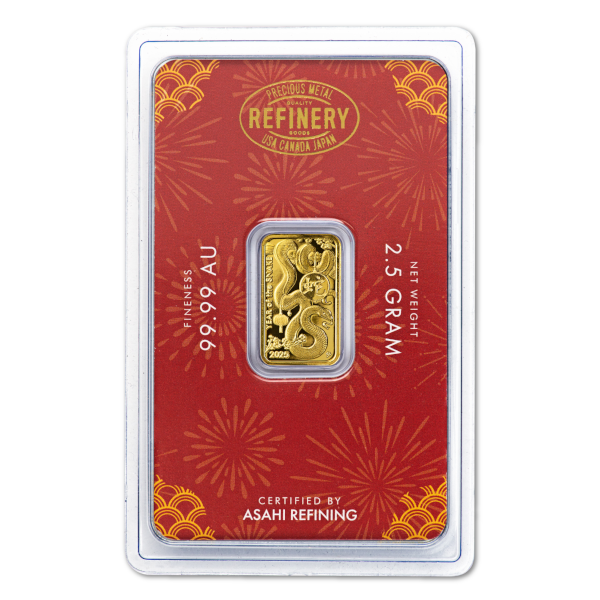
Large silver bars typically carry low premiums over spot because fabrication costs are spread across many ounces. Tiny gold pieces, by contrast, carry higher percentage premiums because handling costs remain nearly fixed regardless of size. Someone searching for a 2.5 gram gold bar for sale should expect to pay noticeably more per gram than with larger bars. Comparing premiums transparently helps you judge whether the convenience justifies the added expense.
Storage Demands and Security
A kilo of silver weighs over thirty-two troy ounces, so a sizable stash becomes heavy and bulky. Storing many bars requires sturdy shelving, adequate insurance, and often a professional vault. Small gold pieces occupy almost no space and can be secured easily. If retirement account rules apply, storage occurs at an approved depository, where fees may depend on either value or quantity of metal. Investors who plan ahead generally feel more confident when conditions change.
Liquidity and Flexibility When Selling
Small gold pieces are simple to sell in tiny increments, allowing you to raise modest amounts of cash without disturbing the rest of your holdings. Heavy silver bars sell well but represent larger transactions, and you cannot divide a single bar. Selling silver in bulk may also require patience to secure the best price. Matching format to your likely spending needs improves flexibility. Simple routines, such as annual reviews, help keep everything organized.
Combining Both in a Balanced Strategy
Rather than choosing one metal or format, many investors blend them. Silver adds affordable volume and industrial demand exposure, while gold contributes stability and portability. Fractional gold covers small cash needs, and large silver bars serve as longer term holdings. Reviewing the proportions periodically ensures that your allocation continues to reflect your risk tolerance, budget, and timeline as personal circumstances and market conditions evolve. Reviewing these points regularly keeps your plan on track.
Conclusion
Heavy silver bars and small fractional gold each bring distinct strengths, from low premiums and large volume to portability and precision. Your ideal blend depends on budget, storage capacity, and how flexibly you may need to sell. Thoughtful comparison prevents costly surprises down the road. For personalized guidance in building a balanced physical metals portfolio, consult the professionals at gibraltarira.com and take a confident step toward a well-diversified financial foundation.