

Exploring tDCS Placement Basics and Understanding the Brain Driver Approach

Tdcs Placement is central to understanding how transcranial direct current stimulation protocols are designed. tDCS uses electrodes positioned on specific scalp locations to deliver a weak electrical current. Researchers select these locations according to the brain area or network they want to investigate, making placement an important part of every stimulation protocol.
A tDCS montage normally identifies electrode polarity and location. The current flows between the electrodes, producing an electric field in the tissues beneath and between them. Computational modeling and neuroimaging research have helped scientists study how different electrode arrangements influence the distribution of stimulation.
People reading about tDCS should remember that no single electrode arrangement works for every purpose. Protocols investigated for motor learning, attention, sleep, or mood can use different locations and settings. The intended objective should therefore be identified before examining a particular placement diagram.
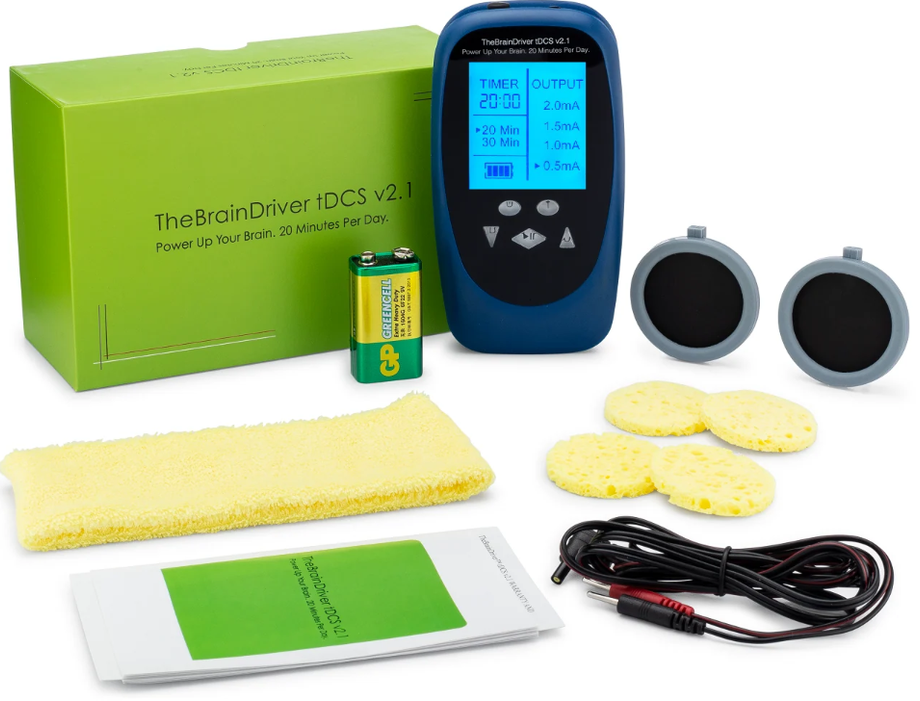
The term braindriver may appear in discussions of consumer-oriented tDCS equipment and stimulation systems. Readers should distinguish a product name from scientific evidence. A device can provide technical functionality, but claims about specific cognitive or therapeutic outcomes require appropriate evidence rather than assumptions based on the equipment itself.
Device instructions can help users understand electrode preparation, connection procedures, charging, current settings, and cleaning. Following documented instructions is particularly important because incorrect electrode contact can produce uncomfortable sensations or skin irritation.
People exploring tDCS for a health condition should involve an appropriate healthcare professional. Electrical stimulation should not be used to replace established treatment without professional advice. Individuals should also review relevant contraindications before using stimulation equipment.
Understanding Tdcs Placement makes it easier to evaluate tDCS information critically. Rather than choosing a montage solely because it appears popular online, users can ask what the placement is designed to investigate and what evidence supports it. Equipment associated with braindriver should similarly be assessed through documented specifications, instructions, and appropriate evidence.
Comments