

RFID Cards: Top 5 Applications and Tips to Choose Manufacturers

RFID cards are compact, credit-card-sized devices built around a hidden chip and antenna. Hold one near a reader and the two exchange data wirelessly, with no swiping needed.
This method is quick for identification and access compared to other methods using keys or magnetic stripes. Various frequencies and chip technologies allow these cards to be used for multiple functions such as accessing doors and secure financial transactions. The right selection of the card and the RFID tag manufacturers depends on your needs.
5 Practical Applications of RFID Cards
Companies use RFID cards wherever there is a requirement for convenience, security or speedy transactions.
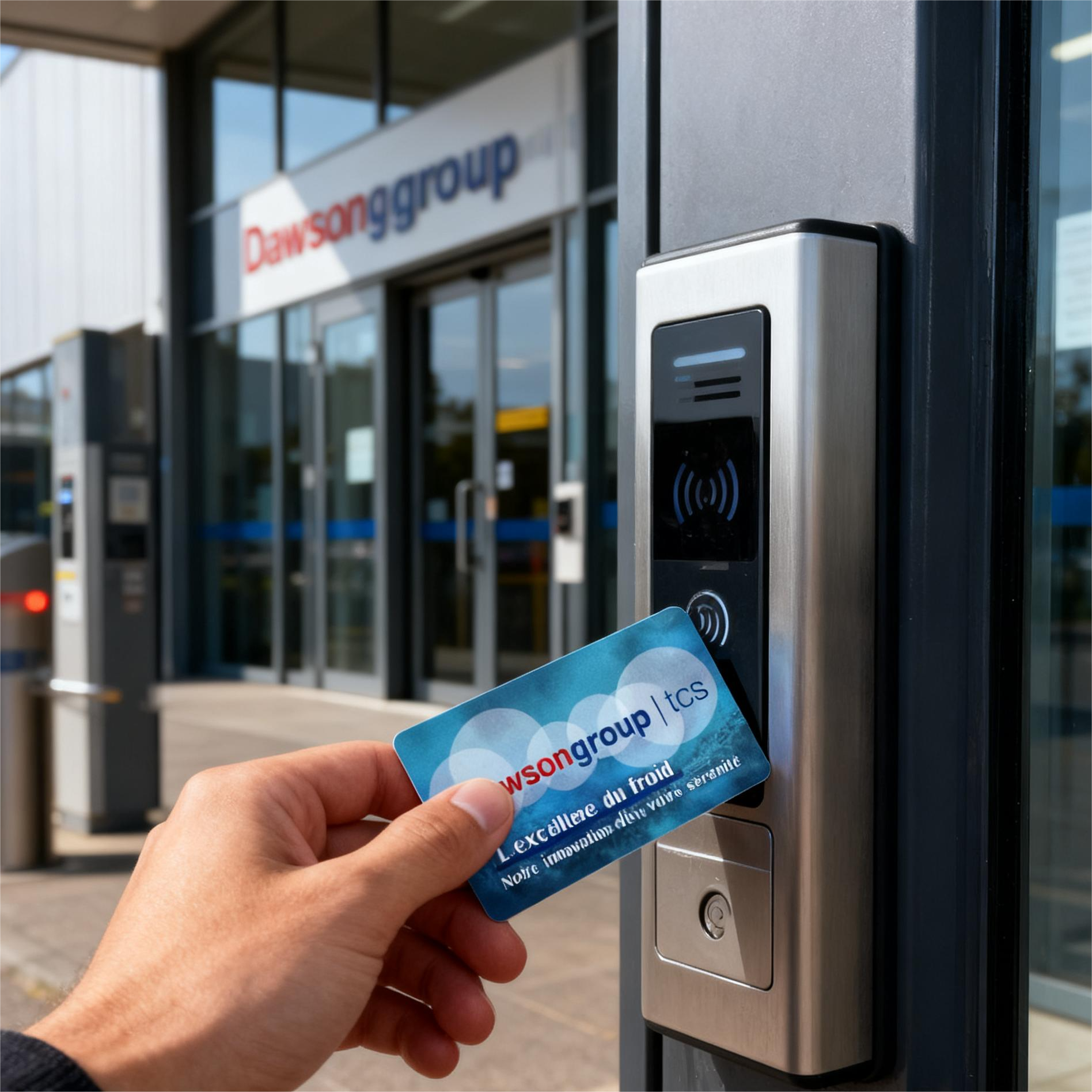
1. Access Control and Building Security
Employees will access door entry systems, elevators and parking gates using their cards instead of metal keys. The card has a unique ID code so that the system is aware of the individual requesting access. There is a continuous record available to management of entries and exits.
2. Employee and Student Identification
This one card may hold both the information of the person's identity and their access rights so that the individual does not have to carry multiple cards. Corporate campuses and universities issue these cards for building entry, library checkouts, and meal plans. Some also link the card to attendance tracking.
3. Hotel Room Access
Hotels have largely dropped magnetic-strip keys in favor of RFID key cards. Front desk staff can program a new card in seconds, speeding up check-in and cutting replacement costs. Guests tap the card at the door, with no demagnetized strip to worry about.
4. Membership and Loyalty Programs
RFID card systems can be used for gyms, clubs and retail membership programs to track members on entry or exit by identifying their RFID tag cards, which saves time during the process and helps the business know their visit or purchase history.
5. Cashless Payment Systems
The college cafeteria or vending system will use a prepaid card rather than coins. Money is deposited in advance, and it is used simply by touching the card to make payments for smaller amounts.
10 Tips for Choosing the Best RFID Tag Manufacturer
Picking a supplier involves more than comparing card prices. Compatibility, materials, customization, production capacity and technical support all shape whether a batch of cards works for your setup. These ten points cover what to check before ordering from one of the RFID tag manufacturers you're considering.
- Verify Frequency Options: Confirm the supplier offers 125kHz, 13.56MHz or UHF cards. Match the option to your intended use and the readers already installed on site.
- Confirm Chip and Protocol Compatibility: Ask which chip types are available such as MIFARE, NTAG or DESFire. Your reader infrastructure should support whichever protocol you pick.
- Assessment of Materials Available: Determine whether the vendor is working with PVC, PET or materials designed for hostile environments. Match the construction to where the card will live.
- Test Customization Ability: Ask if the provider can customize the type, size, printing and quantity of the chip. These are some things that fit your needs.
- Evaluation of Production Capacity: Ask about how well they can move on from producing prototypes to manufacturing the products without causing any delay. It is an indication that lead times will be shorter.
- Look for Application Experience: Favor manufacturers with a track record in access control, logistics, retail or identification programs similar to yours. Relevant experience shows in better product recommendations.
- Durability Factor: The issues of durability are also important because there is exposure to moisture and temperature variations. Also, there is potential for rough handling or being used outdoors.
- Printing and Branding Requirements Review: Find out if the supplier can print your logos, pictures, barcodes, QR codes and serial numbers. The printed information will interact with the chip for easy visual verification.
- Evaluate Technical Support: A capable supplier helps match frequency, chip type, material, and card format to your reader system. That guidance reduces the chance of compatibility problems later.
- Check Prototyping and Full-Production Support: Verify that the company can take the project from a prototype to the completion of the entire production process. The best RFID tag manufacturers maintain the same team throughout the entire process.
Why Choose Top Tag for RFID Solutions?
Top Tag produces RFID tag cards from plants located in Shenzhen and Hong Kong for access control, logistics and retail customers. Everything is handled in-house, from R&D through production, with customization across chip type, material, size, and printing. The team supports projects from prototyping through full production and offers technical consulting built around your actual reader system.
Conclusion
These five applications show how much ground RFID cards cover, from office doors to campus dining halls. Getting the right result means matching frequency, protocol, material, sturdiness and customization to your setup. Reach out to a manufacturer like us, who will walk you through those details.
Comments