

7 Essential Texas Health ER Facts

Medical emergencies can happen unexpectedly, whether during the day, late at night, on weekends, or during holidays. When you need immediate medical attention, understanding your emergency care options can help you make a confident decision. People searching for texas health er fort worth are often looking for convenient access to emergency medical services for sudden illnesses, injuries, and serious symptoms.
Emergency rooms are designed to evaluate and treat conditions that require prompt attention. They can provide diagnostic testing, medications, injury care, and emergency stabilization. Knowing which symptoms require emergency care and what services an ER provides can help you respond quickly when a health problem occurs.
What Is Texas Health ER Care?
Emergency room care focuses on conditions that cannot safely wait for a routine doctor's appointment.
Unlike primary care offices, emergency facilities are prepared to evaluate patients at any hour. Emergency physicians and other medical professionals assess symptoms, determine their severity, order appropriate tests, and begin treatment.
The goal is to quickly identify dangerous conditions while also providing appropriate care for patients with urgent illnesses and injuries.

When Should You Visit an ER in Fort Worth?
Not every health problem requires emergency treatment. However, certain symptoms should be evaluated immediately.
1. Chest Pain
Chest pain can have many causes, including muscle problems, digestive conditions, or heart-related emergencies.
Seek immediate medical attention if chest pain is:
- Severe or sudden
- Associated with shortness of breath
- Spreading to the arm, jaw, shoulder, or back
- Accompanied by sweating or dizziness
- Associated with fainting
Do not wait for symptoms to become worse if you suspect a medical emergency.
2. Difficulty Breathing
Severe breathing problems can be caused by asthma, pneumonia, allergic reactions, heart conditions, or other serious illnesses.
Emergency evaluation is especially important if you are struggling to breathe, cannot speak normally because of breathlessness, or develop blue or gray lips or skin.
3. Stroke Symptoms
Stroke symptoms can develop suddenly.
Remember the FAST warning signs:
- F — Face: One side of the face may droop.
- A — Arms: One arm may become weak or numb.
- S — Speech: Speech may become difficult or unclear.
- T — Time: Seek emergency medical help immediately.
Rapid treatment can be critical when a stroke is suspected.
4. Serious Injuries
Emergency rooms can evaluate injuries caused by:
- Car accidents
- Falls
- Workplace accidents
- Sports injuries
- Severe cuts
- Head trauma
- Possible spinal injuries
Some injuries may not appear serious immediately, so medical evaluation can be important after significant trauma.
5. Severe Abdominal Pain
Sudden or intense abdominal pain can have many causes. Some require urgent treatment.
Emergency evaluation may be appropriate when abdominal pain occurs with:
- Persistent vomiting
- Fainting
- Heavy bleeding
- Severe tenderness
- High fever
- A rigid or swollen abdomen
Diagnostic Services Available in Emergency Care
Quick testing can help physicians understand what is causing a patient's symptoms.
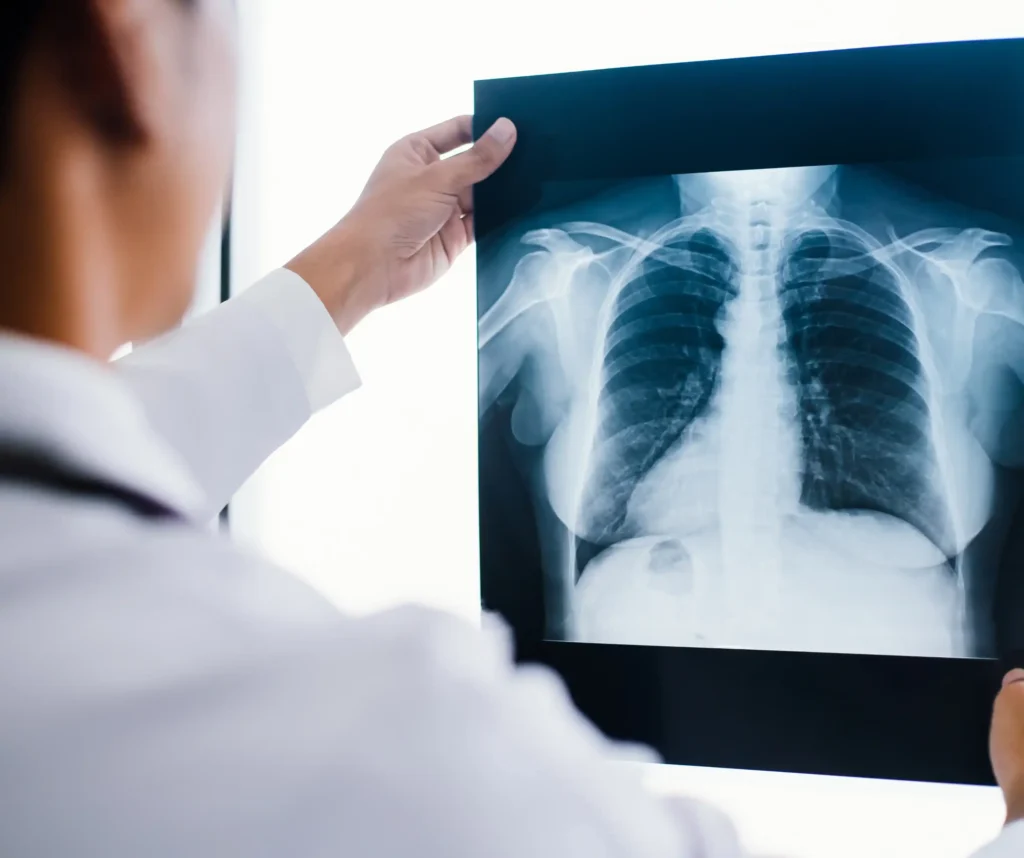
X-Rays
X-rays are commonly used to evaluate:
- Broken bones
- Joint injuries
- Certain chest conditions
- Some foreign objects
CT Scans
CT scans provide detailed images of internal structures.
They may be used to evaluate:
- Head injuries
- Abdominal problems
- Internal bleeding
- Certain infections
- Bone injuries
Ultrasound
Ultrasound uses sound waves to create images of internal structures. It may be useful when evaluating certain abdominal, vascular, or pregnancy-related concerns.
ECG Testing
An electrocardiogram records the heart's electrical activity. It is commonly used when patients have symptoms such as chest pain, palpitations, or fainting.
Laboratory Testing
Blood and urine tests may help identify:
- Infection
- Inflammation
- Blood abnormalities
- Kidney problems
- Electrolyte disturbances
- Other medical conditions
What Happens During an ER Visit?
Knowing what to expect can make an emergency visit less stressful.
Step 1: Registration
The facility may ask for basic information such as:
- Name and contact information
- Identification
- Insurance information
- Medical history
Step 2: Triage
A medical professional evaluates your symptoms and vital signs.
Triage helps determine how urgently you need treatment. Patients with life-threatening conditions are prioritized based on medical need.
Step 3: Physician Evaluation
An emergency physician reviews your symptoms and medical history and performs an examination.
The physician may ask:
- When did the symptoms begin?
- Have they become worse?
- Do you have existing medical conditions?
- Are you taking medications?
- Have you experienced a recent injury?
Step 4: Diagnostic Testing
Testing depends on your symptoms.
You may receive:
- Blood tests
- X-rays
- CT scans
- ECG
- Ultrasound
Step 5: Treatment
Treatment may include:
- Medication
- IV fluids
- Oxygen
- Wound treatment
- Splinting
- Breathing treatments
- Other emergency procedures
Step 6: Discharge or Further Care
After evaluation, the physician determines the next step.
You may:
- Return home with instructions
- Need follow-up with another healthcare provider
- Require observation
- Need hospital admission or additional specialized care
Emergency Room vs. Urgent Care
Understanding the difference between urgent care and emergency care can help you choose the right facility.
| Emergency Room | Urgent Care |
|---|---|
| Treats potentially life-threatening conditions | Treats many non-life-threatening problems |
| Available at emergency facilities 24/7 | Hours vary by location |
| Advanced diagnostic services may be available | Diagnostic services may be more limited |
| Treats serious injuries | Treats many minor injuries |
| Emergency physicians available | May use urgent-care or primary-care clinicians |
If you believe your condition could be life-threatening, do not delay emergency evaluation in favor of urgent care.
How to Prepare for an Emergency Room Visit
You cannot predict every emergency, but preparation can make the process easier.
Keep the following information accessible:
- List of current medications
- Known allergies
- Important medical history
- Emergency contact information
- Insurance information
- Identification
It can also be helpful to know the locations of emergency facilities in your area before an emergency occurs.

Frequently Asked Questions
Is an ER open 24 hours?
Emergency departments are generally designed to provide emergency services around the clock. Individual facilities should be checked for their specific services and operating arrangements.
What conditions require an emergency room?
Conditions such as severe chest pain, difficulty breathing, stroke symptoms, major injuries, uncontrolled bleeding, seizures, and loss of consciousness require immediate emergency evaluation.
Can an ER perform CT scans?
Many emergency facilities have access to CT imaging, which can help evaluate certain injuries and medical conditions.
Conclusion
Choosing appropriate emergency care is important when sudden illness or injury occurs. Emergency rooms provide evaluation, diagnostic testing, and treatment for serious medical conditions that require prompt attention. Knowing the warning signs of emergencies such as chest pain, stroke, breathing difficulties, severe injuries, and uncontrolled bleeding can help you act quickly. ER of Fort Worth is dedicated to providing timely and compassionate emergency medical care for patients who need urgent evaluation and treatment.
For more blogs visit : https://eprofile.ogapatapata.com/blogs/184251/7-Essential-ER-Hospital-Care-Tips
Comments