

What to Look for in a San Francisco Commercial Photographer

Hospitality spaces don’t shoot the same as regular homes. Hotels, restaurants, coastal lodges, wineries. They need photos that sell the feeling, not just show the furniture. Fog rolls in and softens everything, then burns off and the light goes hard. Food has to look real. Rooms have to feel like somewhere you’d actually want to stay. That’s the job of a solid San Francisco commercial photographer. They know how to work with that changing light and still make the place look worth the rate.
Let’s be real. Plenty of commercial photos look okay until you put them next to work that actually understands the business. Flat lighting. Food that looks plastic. Hotel rooms that feel cold instead of inviting. In the Bay Area and nearby coastal spots that kind of work falls short pretty quick. The short answer is good commercial photography has to sell the experience. Guests book off images. Weak ones cost real bookings.
San Francisco and the areas around it have their own mix. Luxury hotels with big views, smaller boutique places tucked into the coast, restaurants that lean hard into local stuff. Light moves fast here. Soft when the fog hangs around, sharper once it clears. Someone who rushes misses the moments when a suite balcony actually looks special or when the natural light hits a table just right. The better ones wait it out. They shoot the same space at different times if they have to. They notice how the materials hold up under real conditions instead of forcing perfect even light everywhere.
I’ve seen hospitality projects lose steam because the photos didn’t match the quality of the property. Operators put real money into the details. Then the images make everything look ordinary. That’s a waste. Commercial photography isn’t just record-keeping. It’s marketing. It ends up on booking sites, in ads, on social media, in press. Strong images open doors. Weak ones limit how far the place can go.
Working Across Different Regions
Further up in the mountains the conditions change. A truckee architectural photographer deals with different light, heavier materials, bigger wilderness views instead of city or ocean. The core skills stay close though. Read the space. Respect the design. Don’t force every shot into a setup that works somewhere else. The ones who handle both commercial and architectural work well treat each project as its own thing.
What sets stronger commercial work apart is showing both the structure and the experience. Hotel rooms need to feel livable. Restaurant food needs to look like something you’d actually order. Outdoor spaces need the real light and weather of the place, not some perfected version. Details count. How a balcony frames the view. The wood grain in a coastal lodge. The texture of a dish under natural light. Those smaller frames often sell the property better than the big wide shots.
Time on site isn’t optional for this kind of work. Light moves. Food has a short window before it stops looking good. Staff or guests sometimes need working around. Photographers who get the best results usually aren’t trying to finish multiple properties in one day. They give the place the hours it needs. Editing has to stay honest too. Cleaning up distractions is fine. Turning the photo into something that no longer looks like the real space is not. Colors, textures, the weight of the materials, those need to stay true so people aren’t surprised when they show up.
If you’re running a hotel, restaurant, or hospitality brand and need new images, dig into portfolios carefully. Don’t just scroll the pretty hero shots. Check how different kinds of spaces get handled. See if the light feels natural or artificially smoothed. Notice whether the food still looks like something you’d eat. Consistency across interiors, exteriors, and detail shots tells you more than one or two standout images.
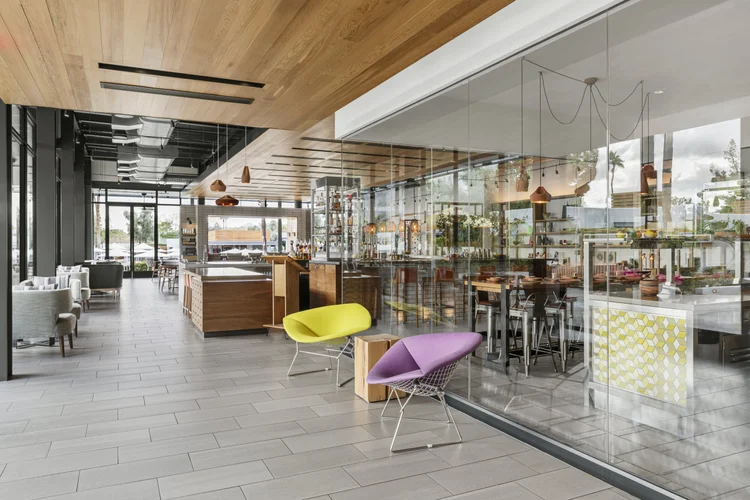
At the end of the day solid commercial photography gives the property a longer life online and in marketing. It shows up in bookings, press, presentations long after the shoot wraps. Whether you’re looking for someone who gets San Francisco light and hospitality spaces or comparing options with a trucker architectural photographer, the basics don’t change much. Find the person who sees both the design and the experience it creates, and who can turn that into images that feel honest. The difference shows once you start comparing. And in a market full of average photos, that difference is worth hunting for.
FAQs:-
How important is natural light for hospitality photography?
Pretty important. Forced lighting can make a room feel artificial. Natural light, even when it’s changing with fog or weather, usually gives a more honest feel that matches what guests will actually experience.
Should food photography look perfect or realistic?
Realism wins most of the time. Overly perfect food photos can set the wrong expectation. Guests notice when the real plate doesn’t match the image.
How much time should a commercial shoot take on site?
More than most people budget for. Rushing shows in the final images. Good work usually needs time to wait for light, adjust setups, and shoot both wide and detailed frames.
Do mountain properties need a different approach than city or coastal ones?
Yes. Light, materials, and views all change. A photographer used to one environment won’t automatically get the best results in another without adjusting.
What should I look for in a portfolio before hiring?
Consistency across different types of spaces. Natural-looking light. Food that still looks edible. Interiors and exteriors that feel like the real place, not a heavily altered version.