

Temporary Warehouse Tent and Livestock Shelter: A Smart Solution for Storage and Farming

If you run a business that needs extra storage space, or a farm that needs to protect animals from harsh weather, you have probably come across two very useful structures: the temporary warehouse tent and the livestock shelter. Both are easy to implement, affordable, and rapid. In this blog, we will walk through what they are, why people choose them, and how to pick the right one for your needs.
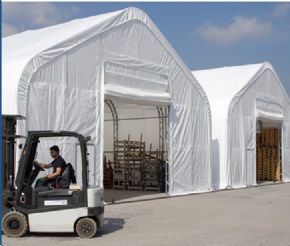
What Is a Temporary Warehouse Tent?
A temporary warehouse tent is a large fabric structure supported by a steel or aluminum framework, which provides you with additional storage or working space without the building of a permanent structure.
Logistics companies, factories, retailers, and construction sites are among the many fields that make use of these tents for extra space in a flash. A warehouse tent can be constructed within a few days and removed or moved, where necessary for business changes, in a few weeks.
Fabric coverings for this structure in a temporary warehouse are typically PVC-coated to ensure waterproof, UV resistance and wind and snow load. Whether you're storing raw materials, manufactured goods, vehicles or equipment, this allows you to keep your goods dry and protected throughout the year.
Why Businesses Choose Livestock Shelters
A livestock shelter is similar, except that its purposes are related to the welfare of the livestock. A shelter protects livestock from sun, wind and rain, and provides plenty of ventilation to ensure they stay comfortable and healthy. A farm animal shelter can make a difference to farmers because it alleviates stress, ensures optimal growth rates, and minimizes bad weather exposure risks of heat stress and disease.
A good shelter has a strong and waterproof roof to keep it dry and open on its sides to allow air circulation. This also allows the easy movement of animals and frequent cleaning of the shelter, which are important factors in maintaining good hygiene on any farm.
Key Benefits of These Structures
- Fast installation – Both a temporary warehouse tent and a shelter can be assembled in a short time compared to traditional buildings.
- Savings – The concrete, bricks and long construction timelines are avoided.
- Flexibility – These structures offer the flexibility to grow and shrink the crop or storage requirements when necessary.
- Durability- Heavy rain, strong wind, and years of daily use can’t damage the quality of the steel framing or fabric quality.
- Custom Sizing – Tents can be sized from small for a few animals to large for temporary container storage areas.
Choosing the Right Structure
When picking a temporary warehouse tent, think about the span width, height clearance for machinery or vehicles, and the type of fabric cover you need. When choosing livestock shelters, take into consideration the quantity of animals, ventilation demands, and the climate. Shelters should be a bit unique in areas with lots of rain or strong sunlight.
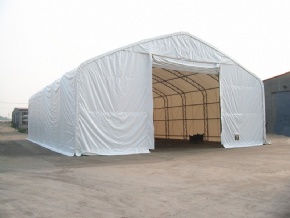
Another good idea is to ask questions regarding warranty, delivery time and if the manufacturer has an installation crew. A reputable supplier will be able to assess your needs in terms of frame material, fabric thickness, and accessories such as side walls, doors, or skylights to help you pick the ideal warehouse tent or livestock enclosure.
Final Thoughts
These fabric buildings are a practical and affordable answer if you need extra storage space for your business or a safe, comfortable shelter for your animals. Use a warehouse tent for that aspect of flexibility or a shelter housing your stock in any season.
For anyone exploring these options, working with an experienced manufacturer like Qingdao Sinrida Trading Co., Ltd. can make the process of choosing, customizing, and installing your structure much easier.
FAQs
1. How long does it take to install a warehouse tent?
Standard sizes can be installed in 20-30 days, while custom designs may require 30-45 days, depending on complexity.
2. Can a shelter be customized for different farm sizes?
Yes, they can be made in different widths and lengths, open or enclosed, depending on the size of a farm and degree of livestock raising.
3. What materials are used to make these shelters weatherproof?
They are usually constructed with a steel or aluminum framework and a durable exterior made of coated fabric that is resistant to water, UV radiation, and wind, ensuring longevity in outdoor settings.
Comments