

Running Out of Time? A Last-Minute Guide to Custom Booths for Trade Shows Before CES 2027

CES 2027 lands in Las Vegas from January 6–9, and if you're only now thinking about your exhibit space, you're not alone. Every year, exhibitors underestimate how long it actually takes to plan, design, and build a booth that does justice to their brand, and then panic sets in around the 90-day mark. The good news: with the right approach, custom booths for trade shows are still achievable even on a compressed timeline. Here's how to move fast without cutting corners.
Why Exhibitors End Up Racing the Clock
CES is the largest tech trade show in the world, drawing over 140,000 attendees and thousands of exhibitors to a floor spread across the Las Vegas Convention Center, the Venetian Expo, and Aria. With that much competition for attention, a generic pop-up banner and a folding table simply won't cut it. But planning a full custom build takes time, typically 12 to 16 weeks under normal circumstances. If you're inside that window, you need a plan that prioritizes speed without sacrificing impact.
Step 1: Get Clear on What "Custom" Actually Means for You
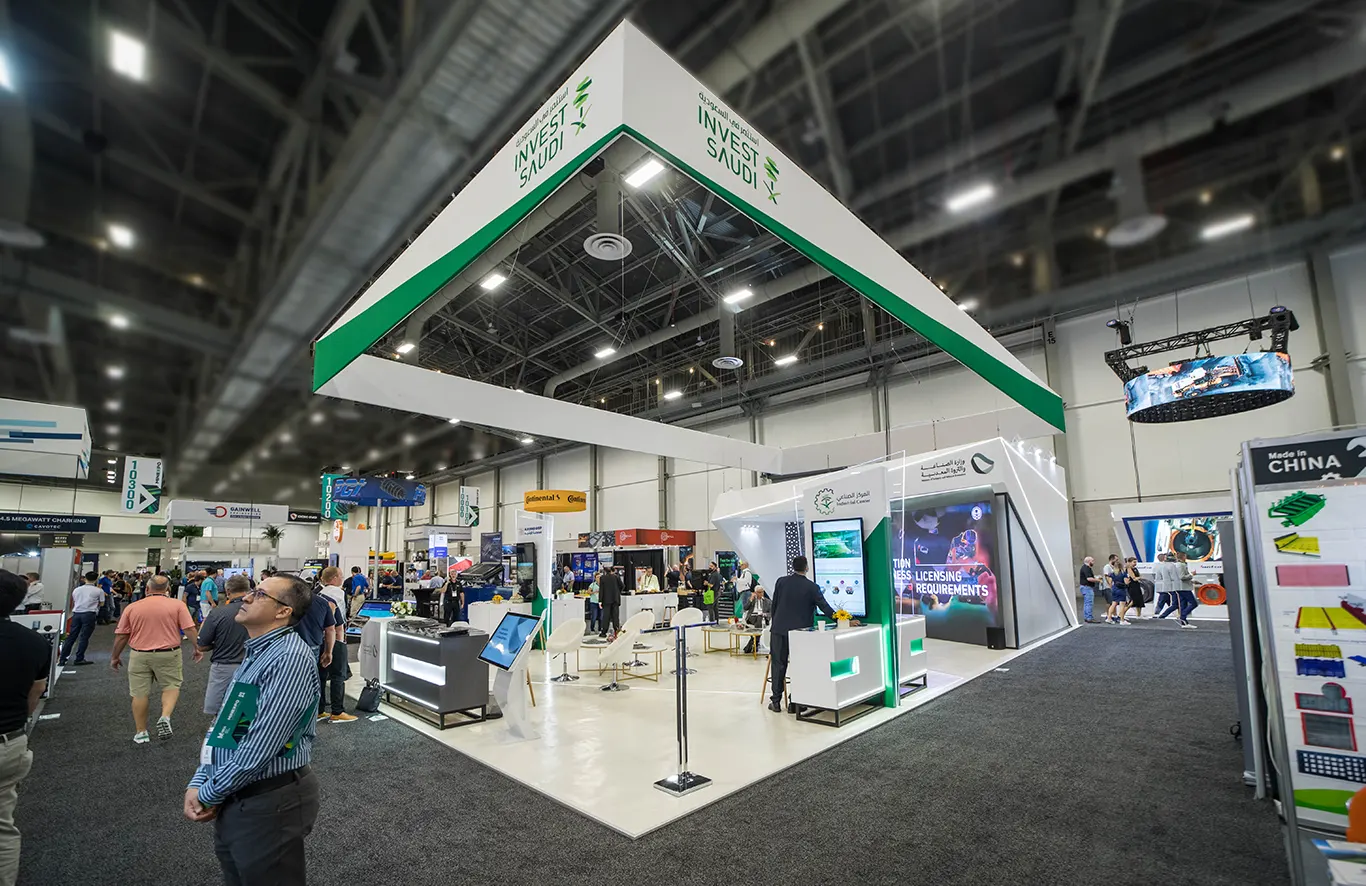
Not every exhibitor needs a fully bespoke, ground-up structure. Many trade show exhibit booths fall into a spectrum:
- Modular custom builds - reconfigurable systems with branded panels, custom graphics, and flexible layouts. Fastest turnaround.
- Semi-custom booths - a base structural system dressed up with unique finishes, lighting, and signage.
- Fully custom builds - designed and fabricated from scratch. Most visually striking, but requires the longest lead time.
If you're working against a tight deadline, modular or semi-custom is almost always the realistic choice. It still delivers a distinctive, on-brand presence without the fabrication timeline of a ground-up build.
Step 2: Choose the Right Partner Fast, But Don't Skip Due Diligence
This is where most of your time pressure gets resolved or made worse. Reaching out to established trade show exhibit design companies early in your search saves you from dead ends later. Look for firms that:
- Have direct experience with CES specifically (venue rules, drayage, union labor requirements in Las Vegas)
- Can show a portfolio of recent builds in a similar footprint to yours
- Have in-house production, rather than subcontracting every stage
- Are upfront about what's realistic given your timeline
A capable custom exhibition stand company will tell you immediately if your ask isn't feasible in the time available, and offer alternatives instead of overpromising. That honesty is worth more than a flashy pitch deck when you're down to the wire.
Step 3: Prioritize Firms With Rapid-Response Design Processes
Some trade show exhibit design firms specialize in accelerated timelines, using pre-engineered modular components, existing inventory, and streamlined approval processes to compress weeks of work into days. When vetting partners under time pressure, ask directly:
- What's your fastest turnaround from signed contract to show-floor installation?
- Do you have existing structural inventory we can customize, rather than building from zero?
- Who handles logistics, shipping, and installation, is it all in-house or outsourced?
The firms that can answer these clearly, with specifics, are the ones equipped to handle a compressed CES timeline.
Step 4: Don't Overlook Local Fabrication and Labor
Because CES is held in the U.S., working with stand builders USA-based teams has a real logistical advantage over international vendors. Domestic builders avoid the customs delays, international shipping windows, and cross-border logistics that can sink a last-minute timeline entirely. A U.S.-based team can also send materials directly to Las Vegas without the added buffer time that international freight requires, often the difference between making your install date and missing it.
Step 5: Simplify the Design Brief
When time is short, resist the urge to reinvent your brand experience from scratch. Instead:
- Pull from existing brand assets, colors, logos, key messaging, rather than developing new creative
- Focus your exhibit trade show booth display around one strong visual moment (a hero wall, an interactive demo station, a lighting feature) rather than trying to do everything
- Keep the floor plan simple: clear sightlines, an open entry point, and one or two functional zones (demo area, meeting space, storage)
A focused design executed well will outperform an overly ambitious concept that gets rushed in production.
Step 6: Lock In Logistics Immediately
Once your design is approved, the clock shifts to production and shipping. Confirm:
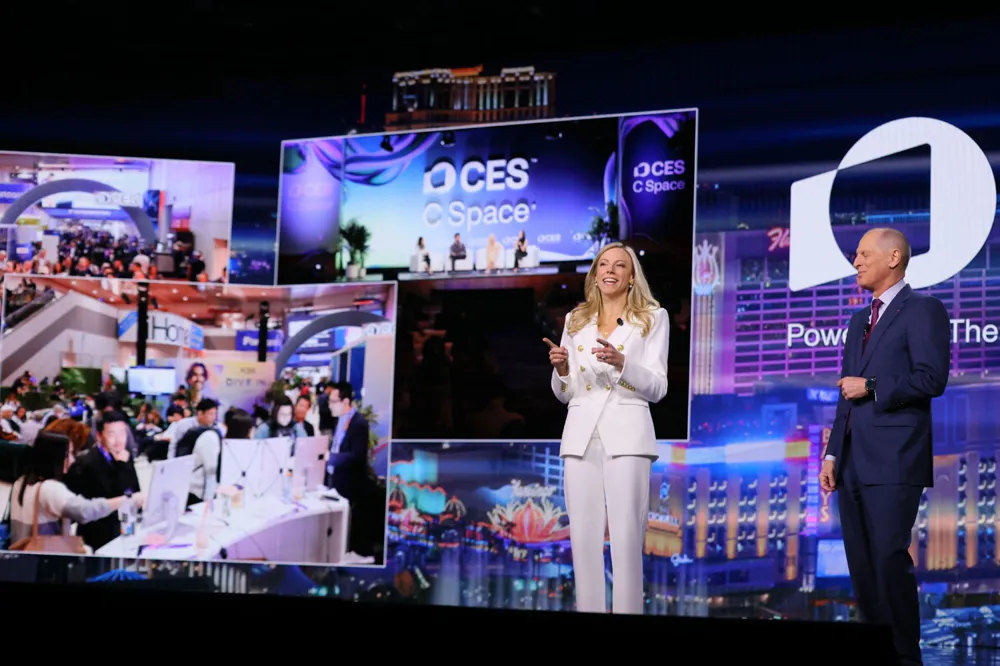
- Drayage and material handling deadlines with CES/LVCC directly
- Installation and dismantle labor, which in Las Vegas often requires union crews
- Shipping timelines that account for potential delays, build in buffer days wherever possible
Booth construction is only half the job; getting everything to the floor and installed on schedule is just as critical.
The Bottom Line
Running behind on CES 2027 planning isn't ideal, but it's not a lost cause. The exhibitors who succeed under a tight deadline are the ones who move decisively: they simplify scope, partner with experienced custom exhibition stand company teams who know how to work fast, and lean on U.S.-based production to eliminate unnecessary delays. A sharp, well-executed modular booth built in weeks will always outperform an ambitious concept that never gets finished or worse, doesn't ship on time.
If you're inside the 90-day window and haven't started, the best move you can make today is picking up the phone and getting a realistic timeline from a builder who's done this before.
Comments