


Mental wellness is becoming an increasingly important part of everyday life. People often experience stress, anxiety, emotional challenges, relationship difficulties, and overwhelming thoughts, but professional mental health support is not always immediately accessible. Technology is helping bridge this gap by providing convenient tools for reflection, emotional support, and self-care. One emerging solution is therapist ai, which uses artificial intelligence to provide accessible, supportive conversations based on established approaches to mental wellness. Platforms such as Wellzy.io are designed to make AI-powered emotional support available whenever people need a safe space to talk, reflect, and work through everyday challenges.
What Is Therapist AI?
Therapist ai refers to artificial intelligence designed to simulate supportive therapeutic-style conversations. Instead of requiring an appointment, users can interact with an AI wellness companion through a website or application. This can make emotional support more convenient, particularly for people who want to talk through their thoughts privately or outside traditional therapy hours.
AI-based wellness platforms can help users identify patterns in their emotions, organize their thoughts, practice mindfulness, and develop healthier coping strategies. Wellzy combines AI conversations with mental wellness techniques and resources that can help users manage common concerns such as stress, anxiety, and emotional overwhelm.
However, AI support should be viewed as a complementary wellness resource rather than a replacement for a licensed mental health professional. People experiencing serious mental health concerns or an emergency should seek appropriate professional or emergency assistance.
How AI Can Support Everyday Mental Wellness
One of the biggest advantages of AI wellness tools is accessibility. Traditional therapy may involve scheduling, travel, waiting lists, and financial considerations. An AI platform can provide immediate interaction through a phone or computer, allowing users to reflect on their feelings at a convenient time.
For example, someone having a stressful day might use an AI wellness companion to describe what happened and explore possible coping strategies. The conversation can encourage self-reflection rather than simply providing generic advice. Over time, features such as mood tracking and reflection summaries may also help users recognize recurring emotional patterns.
Wellzy.io focuses on making these types of wellness resources easy to access. Its platform offers AI conversations alongside exercises such as breathing techniques, meditation, and other self-care resources. This creates an experience that can fit into a person's everyday routine.
Why DBT Therapy Is Important
DBT therapy, or Dialectical Behavior Therapy, is a structured approach that focuses on practical skills for managing emotions, relationships, distress, and difficult situations. Although DBT was originally developed as a specialized form of psychotherapy, many of its skills can also be useful for general emotional wellness and self-development.
DBT commonly emphasizes areas such as mindfulness, emotional regulation, distress tolerance, and interpersonal effectiveness. These skills can help people become more aware of their emotions without immediately reacting to them.
For example, mindfulness encourages a person to pay attention to the present moment. Distress-tolerance techniques can provide strategies for getting through difficult situations without making them worse. Emotional-regulation skills can help people understand emotional triggers and respond more effectively.
Combining AI Support With DBT-Inspired Skills
The combination of AI and evidence-informed wellness techniques can make self-guided mental wellness more approachable. An AI companion can help users explore a challenging situation conversationally and then introduce an appropriate exercise or reflection activity.
For instance, a user experiencing frustration might describe the situation to an AI wellness companion. The conversation could encourage the person to pause, identify the emotion, consider what triggered it, and practice a calming technique. This type of interaction can turn an abstract mental health concept into a practical exercise.
Wellzy's approach to AI-powered wellness is particularly useful for people looking for accessible tools to support their everyday emotional well-being. Users can engage in conversations, reflect on their experiences, and explore different wellness techniques without needing to wait for a scheduled session.
Benefits of Free AI Mental Wellness Tools
Free AI mental wellness resources can also reduce the initial barrier to exploring emotional self-care. Someone who has never tried an AI wellness platform may feel more comfortable starting with a free option before deciding whether additional features are useful.
A free AI tool can be valuable for journaling-style conversations, emotional reflection, mindfulness exercises, and learning basic coping strategies. It can also help people become more comfortable discussing their feelings and recognizing when they may benefit from additional support.
Wellzy provides accessible AI wellness experiences designed to help users incorporate emotional reflection into their daily lives. The goal is not to replace human connection but to make supportive wellness resources easier to reach.
When Human Therapy Is the Better Choice
While AI can be convenient and useful for everyday support, there are situations where working with a licensed therapist is especially important. A human professional can consider a person's broader history, circumstances, relationships, and individual needs in a way an AI system cannot fully replicate.
People dealing with persistent or severe symptoms, trauma, significant functional difficulties, or other complex mental health concerns should consider professional care. AI tools can potentially complement that process by helping users practice skills and reflect between appointments, but they should not be considered a substitute for professional diagnosis or treatment.
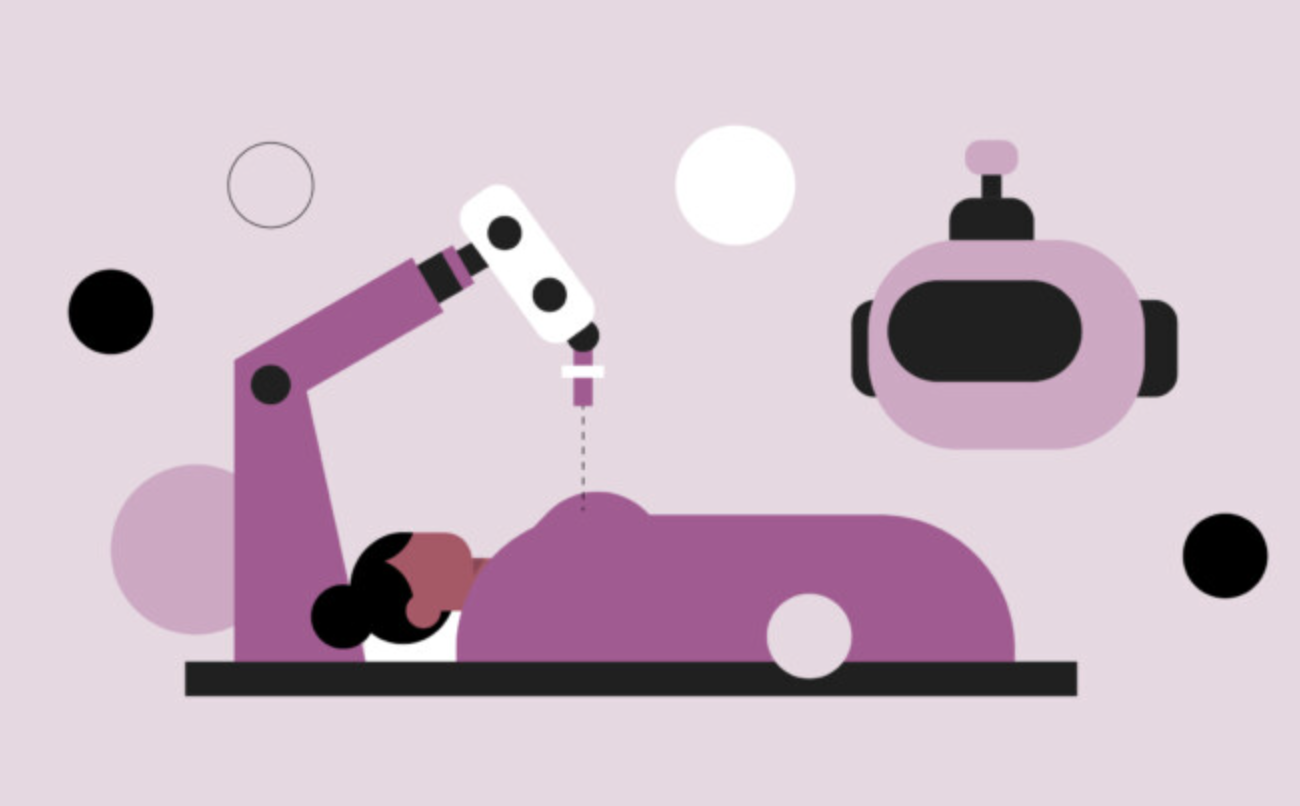
The Future of AI and DBT-Inspired Wellness
As AI technology continues to develop, digital mental wellness platforms may become increasingly personalized and interactive. Future tools could provide more sophisticated mood insights, customized exercises, and better ways to connect users with appropriate human professionals.
The most valuable approach will likely combine technology with established mental wellness principles and human care. DBT therapy offers practical skills that can support emotional awareness and coping, while AI can make educational and self-reflection resources available at almost any time.
Conclusion
Mental wellness does not have to begin with a complicated process. Accessible digital tools can give people a convenient way to pause, reflect, and learn healthier ways of responding to everyday challenges. Therapist ai technology, when used responsibly, can provide supportive conversations and practical wellness resources, while DBT-inspired techniques can introduce useful skills for mindfulness, emotional regulation, distress tolerance, and relationships.
Connect With Us:
Instagram: https://www.instagram.com/wellzycare
Linkedin: https://www.linkedin.com/company/wellzy
youtube: https://www.youtube.com/@Wellzycare
"Thank you, everyone, for reading this article. Do share your valuable feedback or suggestion. Happy reading! "
Comments