

How to Avoid Getting Overcharged for a Custom Exhibition Stand?

If you've ever compared quotes for an exhibition stand and seen the numbers vary by 40% or more for what looks like the same brief, you're not imagining things. Custom stand pricing is one of the least transparent parts of exhibition planning, and exhibitors without a background in fabrication or design often have no easy way to tell a fair quote from an inflated one. This guide breaks down exactly where overcharging happens and how to protect your budget without cutting corners on quality.
Why Custom Stand Pricing Is So Easy to Get Wrong
Unlike renting a standard booth package, a custom build has no fixed price list. Every quote depends on materials, labor hours, design complexity, and vendor overhead all of which vary widely between providers. This flexibility is exactly why exhibitors need to understand the cost structure before they start collecting quotes, not after.
Common Ways Exhibitors Get Overcharged
1. Vague Scope, Padded Pricing
When a brief is loosely defined, some vendors quote conservatively low to win the job, then add costs later through change orders. Others do the opposite they pad the initial quote to cover ambiguity, charging you for risk you never actually created. Either way, you lose.
How to avoid it: Provide a detailed brief covering stand size, must-have features, material preferences, and budget ceiling before requesting quotes. The more specific your input, the harder it is for a vendor to inflate the number.
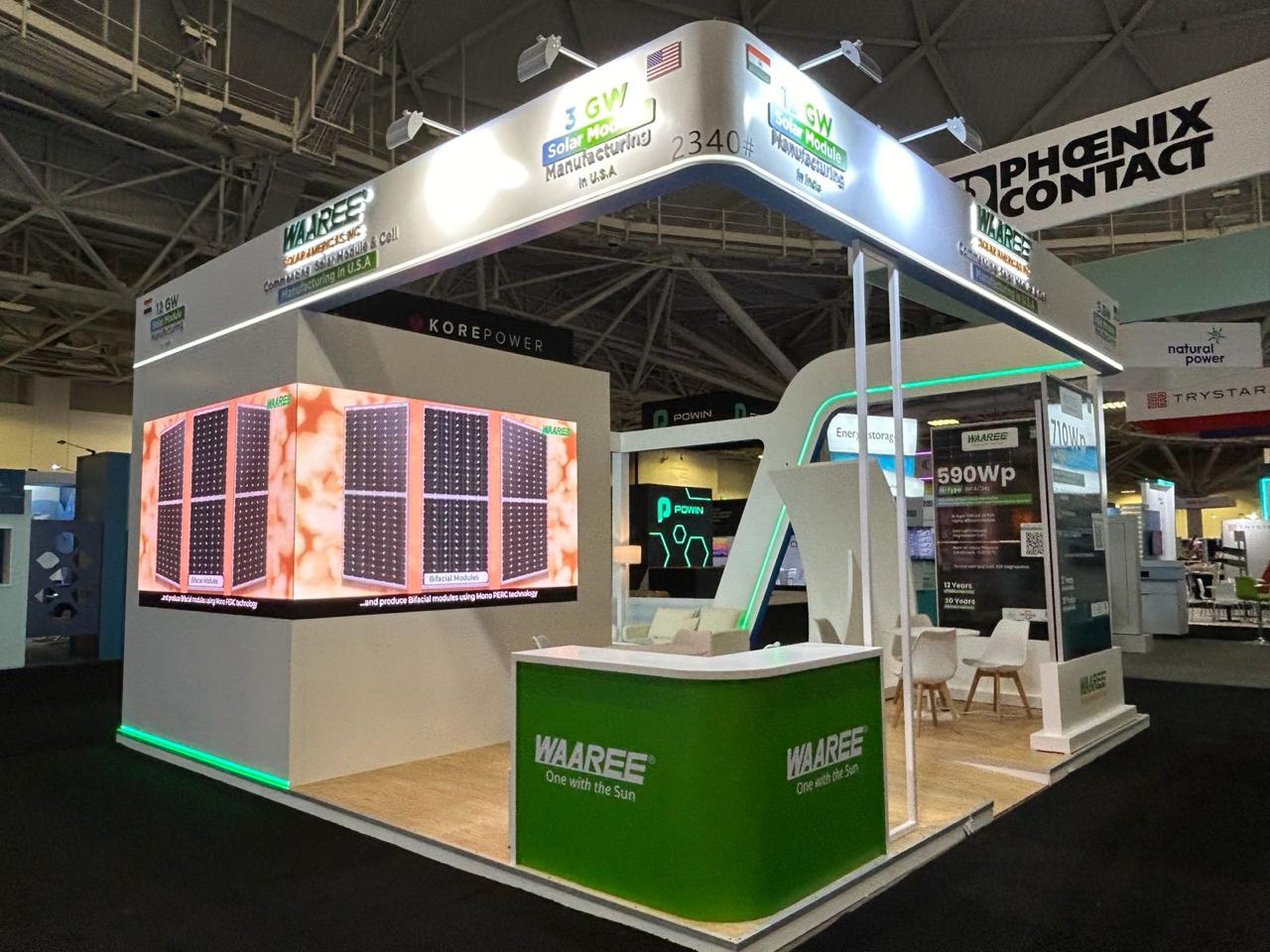
2. Comparing Quotes That Aren't Actually Comparable
Two quotes for the "same" custom exhibition stand can include completely different scopes one might include installation, storage, and graphics production; the other might only cover fabrication. On paper, the second quote looks cheaper. In reality, it isn't.
How to avoid it: Ask every vendor for an itemized breakdown covering design, materials, fabrication, logistics, on-site labor, and post-show storage. Only compare totals once you know the line items match.
3. Overpricing "Bespoke" as a Blanket Excuse
Some providers use the word "custom" to justify almost any markup, assuming exhibitors won't push back on pricing for something described as one-of-a-kind. Genuine customization does cost more than off-the-shelf structures, but the premium should be tied to actual design and fabrication complexity not just the label.
How to avoid it: Ask what specifically makes the stand custom unique materials, structural engineering, bespoke joinery and whether any elements could be modular or reused to reduce cost without compromising the design.
4. No Clarity on Reuse and Ownership
A stand you can reconfigure and reuse for future shows delivers far more value per dollar than one built for a single event. Exhibitors who don't ask about this upfront often end up paying full custom-build costs every single show cycle.
How to avoid it: Ask directly whether the structure is modular, what it would cost to reconfigure for a different footprint, and whether storage between shows is included or billed separately.
5. Skipping Reference Checks on the Vendor
Pricing isn't the only variable that determines value. A vendor with a track record of scope creep, missed deadlines, or on-site surprises can end up costing far more than their quote suggests, once rush fees and last-minute fixes are factored in.
How to avoid it: Ask for references from exhibitors who've used the same team for a design and build project, not just a design concept. Delivery track record matters as much as the initial number on the quote.
What a Fair Quote Actually Looks Like
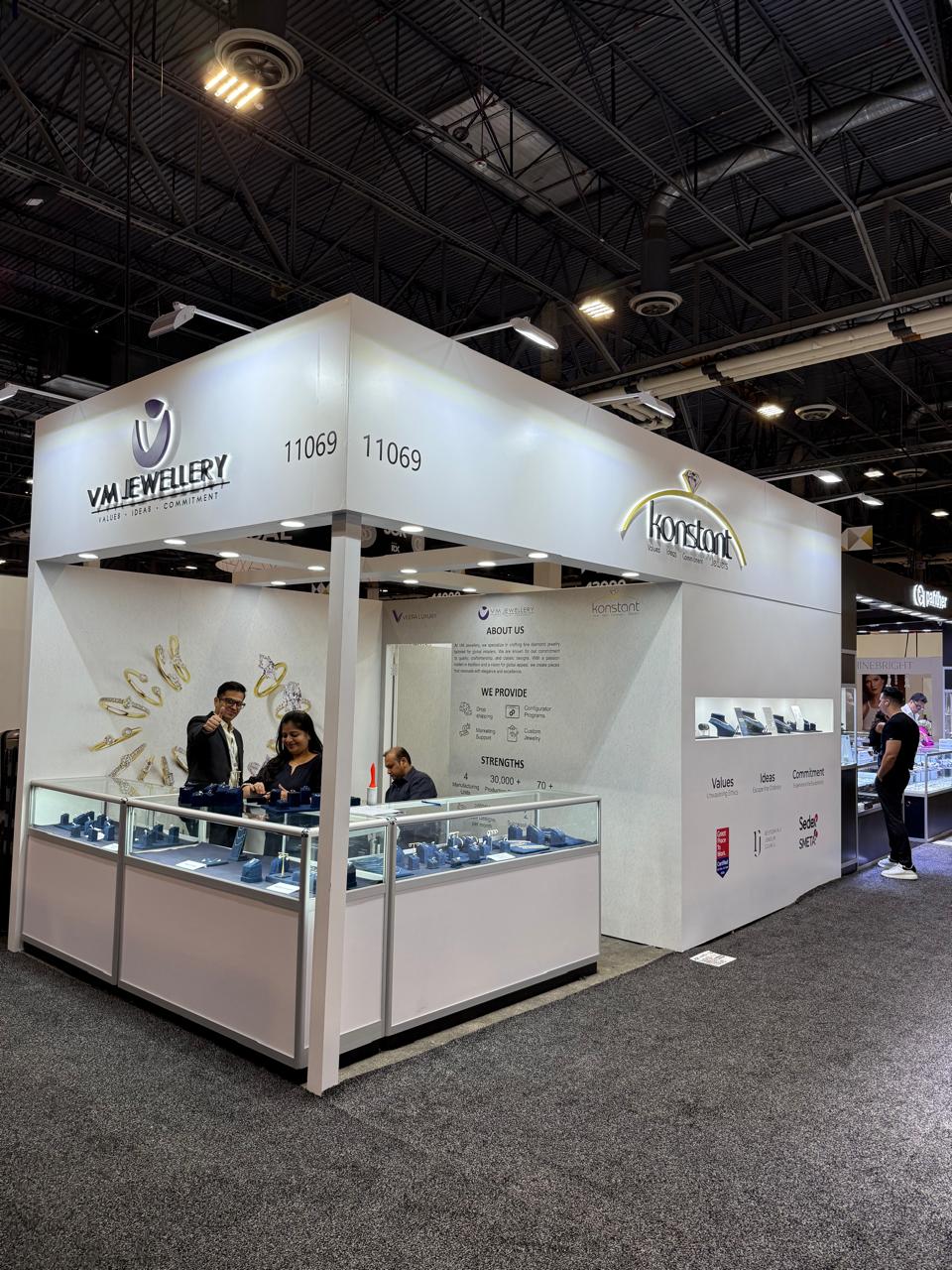
A trustworthy quote from custom exhibition stand designers should be itemized clearly enough that you can see exactly what you're paying for at each stage concept design, 3D rendering, materials, fabrication, logistics, installation, dismantle, and storage. If a quote is a single lump sum with no breakdown, that's worth questioning before you sign anything.
It's also worth comparing more than one custom exhibition stand company, even if you have a preferred vendor. Not to necessarily switch, but because a second quote gives you real leverage to ask pointed questions about anything that looks unusually high in your first one.
Questions to Ask Before You Approve Any Quote
- What exactly is included in this price, and what would trigger an additional charge?
- Is this a fixed quote or an estimate subject to change during production?
- What happens if the design changes after approval how is that priced?
- Can any part of this stand be reused or reconfigured for future exhibitions?
- Who handles installation and dismantle, and is that cost included?
- What's your typical turnaround time, and what causes delays that lead to rush fees?
Asking these questions upfront does more to protect your budget than negotiating on the final number ever will.
The Value of Working with the Right Partner
Ironically, the exhibitors who avoid overcharges most consistently aren't the ones who chase the cheapest quote they're the ones who understand what fair pricing looks like and choose a partner accordingly. A well-run custom exhibition stand design and build process, where the same team manages concept through construction, tends to produce fewer surprise costs than a fragmented process with multiple disconnected vendors, simply because there's no room for scope to get lost in translation.
Final Takeaway
Overcharging on custom exhibition stands rarely comes from one dramatic red flag it usually comes from vague scopes, mismatched quotes, and vendors who know exhibitors don't always know what questions to ask. Walk into your next quoting process with a clear brief, itemized comparisons, and a short list of direct questions, and you'll immediately be harder to overcharge no matter who you end up choosing to build your stand.
Comments