

Trending Colors and Designs in Ethnic Wear This Season

Ethnic wear continues to evolve while preserving its cultural charm and timeless elegance. Every season introduces fresh color palettes, innovative silhouettes, and creative design elements that redefine traditional fashion. From vibrant festive shades to sophisticated neutral tones, ethnic wear reflects changing style preferences while maintaining its heritage appeal. Moreover, contemporary designers blend classic craftsmanship with modern aesthetics, creating outfits that suit diverse occasions. As fashion enthusiasts seek garments that balance tradition and trend, seasonal colors and designs continue to influence purchasing decisions across ethnic wardrobes.
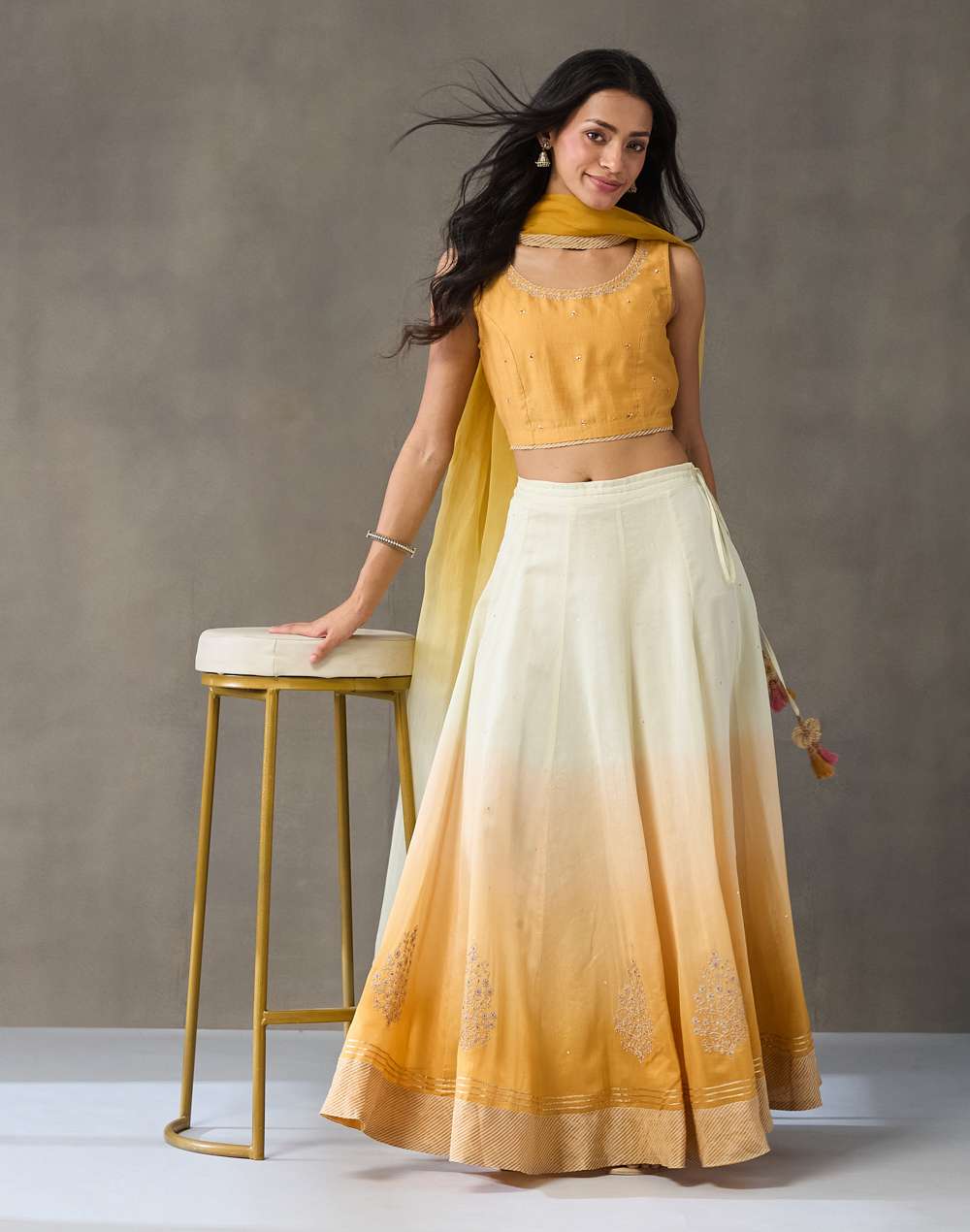
The Evolution of Seasonal Ethnic Fashion
Ethnic wear no longer remains limited to traditional cuts and classic colors. Instead, designers continuously reinterpret heritage styles to align with changing consumer preferences.
Consequently, each season introduces updated patterns, silhouettes, and color combinations that appeal to modern shoppers.
While traditional craftsmanship remains important, contemporary design influences now play an equally significant role in shaping ethnic fashion.
Why Seasonal Trends Matter
Fashion-conscious consumers often seek fresh styles that reflect current preferences.
Seasonal trends help shoppers:
- Refresh their wardrobes
- Experiment with new colors
- Incorporate modern silhouettes
- Update traditional looks
- Enhance styling versatility
Therefore, keeping track of seasonal influences supports more informed fashion choices.
Balancing Tradition and Modern Appeal
Ethnic wear succeeds because it combines heritage with innovation.
Traditional embroidery, handwork, and cultural motifs remain important. However, contemporary cuts and updated color palettes create broader appeal among modern consumers.
Earthy Tones Continue to Dominate
Earth-inspired shades remain highly influential this season.
These colors create elegance without appearing overly dramatic. Moreover, they complement various skin tones and styling preferences.
Popular Earthy Shades
Frequently chosen colors include:
- Terracotta
- Rust orange
- Sand beige
- Olive green
- Warm brown
- Clay tones
These shades create understated sophistication suitable for multiple occasions.
Why Earthy Colors Remain Relevant
Earth-inspired palettes offer versatility and timelessness.
Consequently, they work well for festive wear, casual ethnic outfits, and contemporary fusion styles.
Additionally, these colors pair easily with metallic accents and traditional embroidery.
Jewel Tones Create Bold Statements
While earthy shades emphasize subtle elegance, jewel tones deliver visual impact and luxury.
Fashion enthusiasts increasingly embrace richer colors for festive and ceremonial occasions.
Leading Jewel-Tone Favorites
Popular choices include:
- Emerald green
- Sapphire blue
- Ruby red
- Amethyst purple
- Deep teal
- Wine tones
These colors create strong visual appeal while maintaining sophistication.
Perfect for Celebrations
Festive events often encourage bold fashion choices.
Jewel tones naturally complement traditional embellishments, making them ideal for weddings, cultural gatherings, and celebrations.
Consequently, they remain among the most sought-after seasonal colors.
Pastel Shades Continue Their Strong Presence
Pastels maintain significant popularity because they create softness and elegance.
Unlike highly saturated colors, pastel tones provide a refreshing and versatile aesthetic.
Most Popular Pastel Colors
Current favorites include:
- Powder blue
- Blush pink
- Mint green
- Lavender
- Peach
- Soft yellow
These shades contribute to a graceful and contemporary appearance.
Versatility Across Occasions
Pastel ethnic wear works effectively for:
- Daytime celebrations
- Family gatherings
- Festive lunches
- Social events
- Casual traditional wear
Therefore, many consumers include pastel pieces in their seasonal wardrobes.
Monochromatic Styling Gains Momentum
Monochromatic dressing continues to influence ethnic fashion significantly.
This approach focuses on wearing variations of a single color throughout an outfit.
Benefits of Monochromatic Looks
Monochromatic styling offers:
- Refined elegance
- Visual harmony
- Modern appeal
- Easy coordination
- Sophisticated appearance
Consequently, many designers incorporate this concept into seasonal collections.
Popular Monochrome Choices
Fashion-forward consumers often select:
- All-white ensembles
- Beige combinations
- Navy tonal styling
- Soft grey palettes
- Black-on-black ethnic wear
These options create understated sophistication.
Floral Patterns Remain a Seasonal Favorite
Floral designs consistently appear ethnically because they offer freshness and versatility.
This season introduces both traditional floral motifs and contemporary interpretations.
Modern Floral Applications
Current floral trends include:
- Oversized blooms
- Watercolor-inspired prints
- Delicate embroidery
- Nature-inspired patterns
- Botanical artwork
These elements add visual interest without overwhelming the garment.
Suitable for Various Garments
Floral motifs appear across:
- Kurtas
- Kurtis
- Anarkalis
- Dupattas
- Co-ord sets
As a result, floral styling remains widely accessible.
Geometric Patterns Gain Popularity
In contrast to floral aesthetics, geometric patterns create a more structured and contemporary appearance.
Many younger consumers appreciate these designs because they combine modernity with ethnic styling.
Trending Geometric Designs
Popular options include:
- Abstract shapes
- Angular motifs
- Linear patterns
- Symmetrical artwork
- Contemporary ethnic prints
These designs create a modern visual identity.
Appeal Among Contemporary Shoppers
Geometric patterns often attract consumers seeking something different from traditional motifs.
Therefore, they continue to gain prominence in seasonal collections.
Minimalist Embroidery Takes Center Stage
Heavy embellishment remains important for ceremonial wear. However, minimalist embroidery increasingly influences mainstream ethnic fashion.
Characteristics of Minimalist Detailing
Popular elements include:
- Fine threadwork
- Delicate motifs
- Subtle accents
- Tonal embroidery
- Clean finishing
These details create elegance without excessive decoration.
Why Consumers Prefer Simplicity
Many shoppers appreciate garments that offer versatility.
Minimalist embroidery allows ethnic wear to transition easily between casual and semi-formal settings.
Consequently, demand continues to grow.
Statement Sleeves Add Fashion Interest
Sleeve design has become a key element in ethnic wear innovation.
Rather than focusing solely on silhouettes, designers increasingly experiment with sleeve construction.
Popular Sleeve Trends
Current favorites include:
- Bell sleeves
- Puff sleeves
- Layered sleeves
- Cuffed sleeves
- Bishop sleeves
These details add personality and visual impact.
Enhancing Overall Design
Statement sleeves transform simple garments into fashion-forward pieces.
Therefore, they remain a major design influence this season.
Layered Silhouettes Continue to Evolve
Layering introduces depth and sophistication to ethnic wear.
Consequently, layered silhouettes remain highly popular among consumers seeking contemporary styling.
Common Layering Elements
Fashion collections frequently include:
- Overlay jackets
- Cape-inspired designs
- Long shrugs
- Layered kurtas
- Multi-tiered silhouettes
These features create movement and visual interest.
Balancing Structure and Comfort
Layered garments often combine fashion with practicality.
Therefore, they appeal to consumers seeking distinctive yet wearable designs.
Fusion Fashion Strengthens Its Position
Fusion wear continues to bridge the gap between traditional and contemporary fashion.
Modern consumers increasingly appreciate garments that combine ethnic influences with Western styling elements.
Popular Fusion Trends
Common combinations include:
- Ethnic jackets with trousers
- Kurta dresses
- Indo-western co-ords
- Contemporary drapes
- Modern ethnic separates
These styles create versatility and broader styling opportunities.
Meeting Modern Lifestyle Needs
Fusion fashion aligns with evolving lifestyle preferences.
Consequently, it remains a major contributor to seasonal ethnic wear trends.
The Influence of Online Shopping on Ethnic Fashion
Digital retail significantly influences fashion trends by expanding access to diverse collections.
Many shoppers prefer to buy ethnic wear online in India because online platforms provide extensive style options, seasonal collections, and easier comparisons.
Moreover, digital browsing exposes consumers to emerging trends more quickly than traditional shopping methods.
As a result, online shopping continues to shape purchasing behavior and fashion preferences.
The Rise of Coordinated Ethnic Sets
Coordinated outfits continue to attract attention because they simplify styling while maintaining elegance.
Popular Coordinated Pieces
Consumers increasingly choose:
- Kurta sets
- Matching co-ords
- Tunic and trouser combinations
- Coordinated festive ensembles
These outfits offer convenience and visual consistency.
Why Coordinated Fashion Appeals
Ready-to-style outfits reduce decision-making while creating polished appearances.
Consequently, coordinated ethnic sets remain highly relevant this season.
Traditional Craftsmanship Remains Essential
While modern silhouettes continue to evolve, traditional craftsmanship remains at the heart of ethnic fashion. Designers consistently incorporate heritage techniques into contemporary collections, ensuring cultural authenticity remains visible.
Moreover, handcrafted details add uniqueness that machine-produced garments often cannot replicate.
Popular Craft-Inspired Elements
This season highlights:
- Thread embroidery
- Mirror work
- Block-inspired prints
- Textured weaving
- Traditional motifs
- Hand-finished detailing
These features enhance visual appeal while preserving artistic heritage.
Blending Heritage with Contemporary Design
Modern consumers often seek garments that honor tradition without appearing overly conventional.
Consequently, designers merge classic craftsmanship with updated cuts, colors, and styling approaches to create broader appeal.
The Growing Influence of Neutral Color Palettes
Bold colors remain important, yet neutral shades continue gaining popularity among fashion-conscious consumers.
Neutral palettes offer versatility, sophistication, and long-term wearability.
Leading Neutral Shades
Current favorites include:
- Ivory
- Cream
- Taupe
- Stone grey
- Beige
- Soft brown
These colors create elegant looks suitable for various occasions.
Why Neutrals Work Across Seasons
Neutral shades transition effortlessly between seasons.
Furthermore, they pair easily with accessories, embroidery, and contrasting elements. Therefore, many shoppers view them as wardrobe essentials.
Fabric Trends Shaping Ethnic Wear
Color and design influence purchasing decisions, but fabric selection remains equally important.
Comfort, appearance, and functionality often depend on material choice.
Popular Fabrics This Season
Consumers frequently select:
- Cotton
- Linen
- Chanderi
- Silk blends
- Viscose
- Organza accents
Each fabric contributes unique texture and visual appeal.
The Shift Toward Lightweight Comfort
Many fashion enthusiasts prioritize wearability alongside style.
Consequently, lightweight fabrics continue attracting attention because they support movement, comfort, and versatility.
Asymmetrical Designs Continue to Attract Attention
Asymmetrical cuts introduce a contemporary edge to traditional garments.
These silhouettes create visual movement while offering fresh alternatives to classic styles.
Trending Asymmetrical Elements
Popular design features include:
- High-low hems
- Uneven drapes
- Angled cuts
- Layered asymmetry
- Modern tunic shapes
These details create dynamic and fashion-forward looks.
Appealing to Younger Audiences
Many younger consumers appreciate asymmetrical styling because it blends ethnic influences with modern fashion sensibilities.
Therefore, designers continue incorporating these elements into seasonal collections.
Ethnic Wear for Everyday Fashion
Ethnic fashion no longer remains limited to festive occasions.
Many consumers integrate ethnic pieces into everyday wardrobes because of their versatility and comfort.
Casual Ethnic Fashion Trends
Popular daily-wear choices include:
- Printed kurtas
- Straight-cut kurtis
- Lightweight co-ords
- Minimal embroidery
- Relaxed silhouettes
These garments support practical and stylish dressing.
Balancing Comfort and Style
Consumers increasingly seek clothing that fits both lifestyle and aesthetic preferences.
Consequently, everyday ethnic wear continues gaining importance within seasonal fashion trends.
Accessories Complement Seasonal Ethnic Trends
Accessories significantly influence the final appearance of ethnic outfits.
Even simple garments can appear more refined when paired with the right additions.
Trending Accessory Choices
Fashion enthusiasts frequently select:
- Statement earrings
- Layered necklaces
- Embellished footwear
- Structured handbags
- Traditional bangles
These accessories enhance overall styling without overwhelming the outfit.
The Importance of Thoughtful Coordination
Successful styling requires balance.
Therefore, many consumers focus on coordinating accessories with garment colors, fabrics, and design elements for a polished appearance.
How Seasonal Trends Influence Buying Decisions
Fashion trends often shape consumer behavior.
Shoppers frequently evaluate colors, silhouettes, and design features before making purchasing decisions.
Factors Driving Seasonal Purchases
Important considerations include:
- Color preferences
- Occasion requirements
- Fabric comfort
- Styling flexibility
- Trend relevance
These factors collectively influence buying patterns.
The Role of Digital Inspiration
Social media, fashion platforms, and online catalogs contribute significantly to trend awareness.
As a result, consumers often identify emerging styles before making purchases.
Why Online Shopping Continues to Shape Ethnic Fashion
Digital retail remains one of the strongest influences on seasonal fashion trends.
Many consumers prefer to buy ethnic wear online in India because online platforms showcase extensive collections featuring current colors, fabrics, and designs.
Moreover, digital shopping enables easier comparison and broader access to trend-focused collections.
Consequently, online channels continue shaping how consumers engage with ethnic fashion.
The Future Direction of Seasonal Ethnic Wear
Fashion constantly evolves, yet certain themes remain consistent.
Designers continue balancing heritage craftsmanship with modern aesthetics while introducing fresh color palettes and innovative silhouettes.
Key Trends Likely to Continue
Industry observers frequently highlight:
- Sustainable fabrics
- Minimalist detailing
- Fusion styling
- Versatile silhouettes
- Sophisticated color palettes
These elements align with contemporary consumer preferences.
Maintaining Cultural Relevance
Despite evolving fashion influences, ethnic wear retains strong cultural significance.
Therefore, future trends will likely continue celebrating tradition while embracing modern design innovation.
Conclusion
Seasonal ethnic wear trends continue to reflect a balance between heritage and innovation. Earthy tones, jewel shades, pastels, minimalist embroidery, geometric patterns, and fusion silhouettes currently shape consumer preferences. Moreover, evolving fabrics and coordinated styling options contribute to greater versatility and appeal. As fashion continues to evolve, ethnic wear remains deeply connected to cultural identity while embracing contemporary influences. This combination ensures that seasonal colors and designs remain dynamic, relevant, and inspiring for fashion-conscious consumers seeking both tradition and modern style.
FAQs
1. Which colors are trending most in ethnic wear this season?
Earthy shades, jewel tones, pastels, and neutral palettes dominate seasonal collections. Colors such as emerald green, terracotta, blush pink, navy blue, and beige remain especially popular because they combine versatility with visual appeal.
2. Why are pastel colors so popular in ethnic fashion?
Pastels create a soft and elegant appearance suitable for various occasions. Moreover, they complement different skin tones and pair easily with embroidery, making them highly versatile choices for contemporary ethnic wear.
3. What types of prints are trending this season?
Floral patterns, geometric designs, abstract motifs, and botanical-inspired artwork remain popular. These prints add visual interest while allowing consumers to choose styles that align with personal fashion preferences.
4. Are minimalist designs replacing heavily embellished ethnic wear?
Not entirely. Both styles remain relevant. Minimalist designs appeal to consumers seeking versatility, while heavily embellished garments continue to dominate weddings and festive occasions where decorative detailing remains desirable.
5. Why are coordinated ethnic sets gaining popularity?
Coordinated sets simplify styling and create polished appearances. Additionally, they save time while maintaining visual consistency, making them practical choices for both casual and festive settings.
6. Which fabrics are most popular in ethnic wear currently?
Cotton, linen, Chanderi, silk blends, viscose, and lightweight textured fabrics remain highly preferred. These materials combine comfort, elegance, and versatility, making them suitable for a variety of occasions.
7. What makes fusion fashion attractive to modern consumers?
Fusion fashion combines traditional influences with contemporary styling. Consequently, it offers greater versatility and aligns with modern lifestyles while preserving elements of cultural heritage and ethnic aesthetics.
8. How do accessories influence ethnic wear styling?
Accessories add personality and visual interest to outfits. Statement jewelry, handbags, footwear, and layered pieces can significantly enhance overall presentation when coordinated thoughtfully with garments.
9. Why do many consumers prefer online shopping for ethnic wear?
Online shopping provides access to wider collections, trend-focused designs, and convenient comparison options. Moreover, shoppers can evaluate styles and seasonal collections from home before making purchasing decisions.
10. Will traditional craftsmanship remain important in future ethnic fashion trends?
Yes, traditional craftsmanship continues to hold strong cultural and artistic value. Designers consistently integrate heritage-inspired techniques into modern collections, ensuring these elements remain relevant within evolving fashion landscapes.