


The UK healthcare landscape is navigating a challenging structural shift. While the total number of professionals on the permanent register has shown steady growth, frontline clinical nursing shortages remain a critical hurdle for operational recovery, safe patient-to-staff ratios, and patient flow. Real-world workforce data reveals there are still more than 29,000 vacant NHS nursing posts across the UK, keeping the national vacancy rate locked around 6%—a figure that climbs past 11% in high-pressure regions like London.
To bridge this operational gap and alleviate severe frontline burnout, healthcare providers are looking beyond traditional local hiring methods. Modern healthcare trusts no longer view global hiring as an emergency backup plan; instead, they fundamentally rely on structured international nurse recruitment to build sustainable, highly compliant, and resilient clinical teams.
Addressing the High-Acuity Vacancy Crisis
Domestic recruitment pipelines simply cannot produce qualified nursing graduates fast enough to keep pace with the retirement rates of senior clinicians and the rising care demands of an aging population. This gap is felt most acutely in specialized departments where vacancy rates frequently trigger a costly, unstable reliance on temporary agency staff.
- Sustaining Specialized Wards: Critical care, emergency departments, and theatre units require targeted clinical expertise that cannot be easily cross-covered by general rotational staff without risking patient safety.
- Easing Gridlocks and Bed-Blocking: A shortage of ward nurses directly delays patient assessments and drug rounds, stalling the hospital discharge process and compounding the A&E waiting-time crisis.
- Providing Long-Term Staffing Continuity: Unlike local temporary workers who provide short-term cover, internationally recruited nurses typically seek permanent, multi-year contracts, which stabilizes team morale and care consistency.
Navigating the Stricter Complexities of Clinical Compliance
While the need for overseas talent is undeniable, the journey to bringing a clinician safely to a UK ward is heavily regulated. The process involves multiple high-stakes assessments, rigorous identity verifications, and professional background checks.
To prevent candidates from falling into administrative loops, trusts depend heavily on an expert NMC registration support agency. These specialized organizations manage the end-to-end logistics of the regulatory pathway. They provide candidates with structured prep materials for the Computer-Based Test (CBT) and intensive training for the Objective Structured Clinical Examination (OSCE). By outsourcing this administrative heavy lifting, healthcare trusts ensure that arriving international nurse transition from global applicants to fully licensed, registered professionals quickly and safely.
Strengthening Specialized Fields: The Mental Health Challenge
The reliance on international recruitment becomes even more visible when evaluating specific clinical sectors, such as mental health and learning disabilities. Nursing workforce figures show that while adult nursing has grown steadily, specialized fields like mental health nursing require targeted support to keep pace with skyrocketing community demand and staff burnout.
To build resilient mental health teams, providers must partner with a dedicated mental health recruitment agency. Generalist recruitment methods often fail here because psychiatric nursing requires deep behavioral expertise, compassionate de-escalation skills, and an intimate understanding of safeguarding and mental capacity frameworks. Combining targeted global sourcing with industry-specific vetting allows healthcare trusts to place highly skilled international psychiatric nurses directly into the complex environments that need them most.
Cultivating a Sustainable Multi-Cultural Workforce
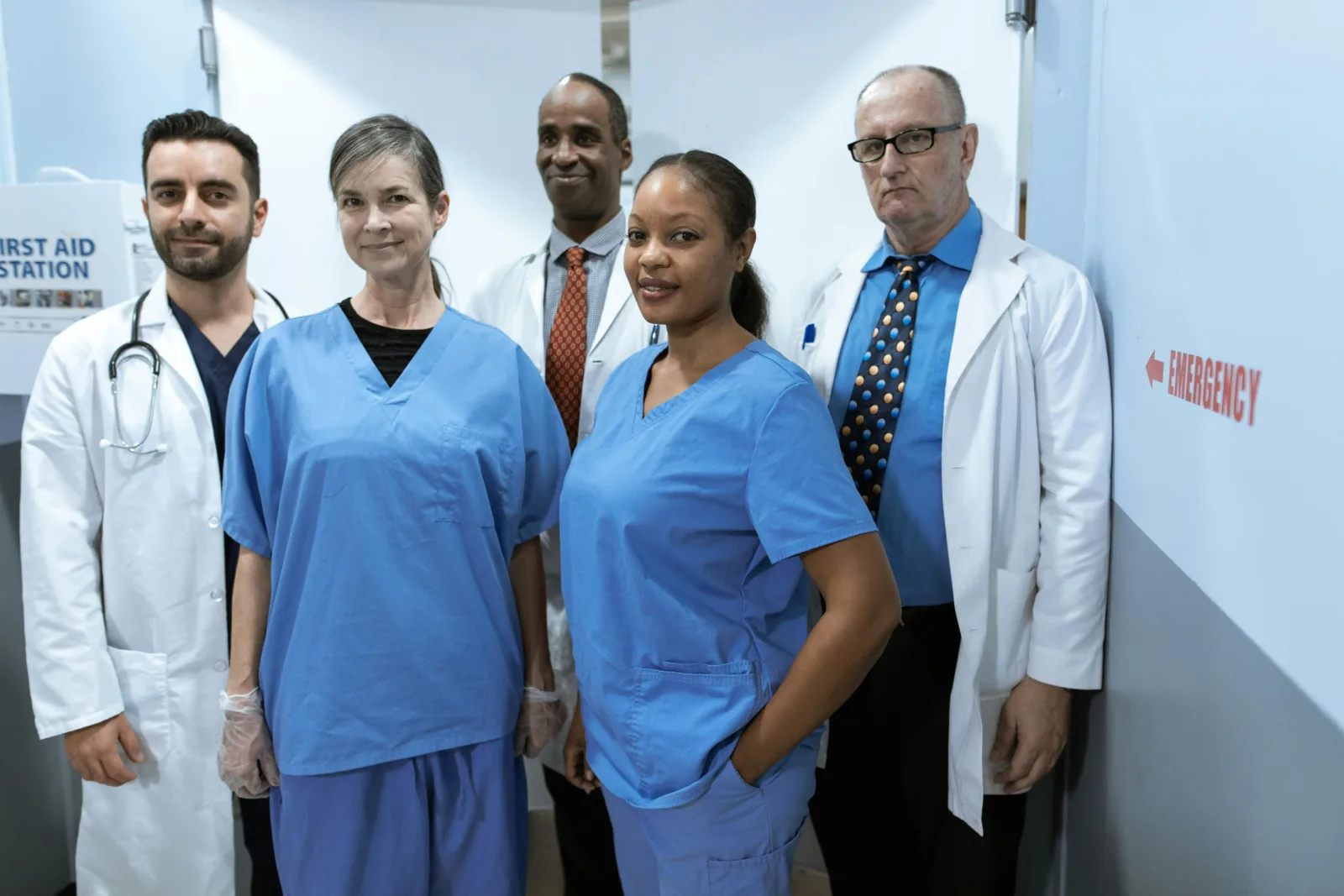
The benefits of global recruitment go far beyond simply filling a row on a shift rota. Seamlessly integrating international nurses—who now make up nearly a quarter of all registrants on the UK permanent register—creates a rich, multicultural environment that directly enhances patient care.
- Diverse Clinical Insights: Overseas nurses bring distinct perspectives on clinical workflows, problem-solving, and patient engagement from different healthcare systems, driving internal team innovation.
- Reflecting Patient Demographics: A diverse nursing workforce is better equipped to provide culturally sensitive care to the UK's highly diverse patient population, breaking down communication and cultural barriers on the ward.
- Strategic Growth: Cultivating a supportive international onboarding ecosystem establishes the trust as an employer of choice globally, creating a self-sustaining talent pipeline for years to come.
The Bottom Line: Modern healthcare delivery cannot survive on reactive, local hiring alone. By embracing structured international nurse recruitment, utilizing dedicated compliance support, and aligning with specialized staffing partners, healthcare trusts can build highly stable, compliant clinical teams capable of delivering the exceptional standard of care that patients deserve.