


The year 1800 heralded a new century and a new world. The fashion landscape had changed radically and rapidly; the way that women dressed in 1800 stood in stark contrast to the dress of a generation earlier. The wide panniers, conical stays, and figured silks of the eighteenth century had melted into a neoclassical dress that revealed the natural body, with a high waist and lightweight draping muslins (Fig. 1). The origin of this garment was the chemise dress of the 1780s, worn by influential women such as Marie Antoinette and Georgiana, Duchess of Devonshire (Ashelford 174-175). The chemise dress, in part, reflected a neoclassicism that was beginning to emerge in fashion. Interest in classical antiquity had been growing throughout the second half of the eighteenth century, following the excavations of Pompeii and Herculaneum. Classical revivals appeared not only in fashion, but in architecture, the fine arts, and interior design (Davidson 30). However, it was the violently shifting politics at the end of the eighteenth century that spurred this style to the forefront. The French Revolution brought the old world hierarchy crashing down, forever altering dress during the 1790s. The new classical style, imitating the clothing of ancient democracies, seemed to be evidence of a political philosophy on the rise (Tortora 313-314; Byrde 23).
By 1800, the high-waisted silhouette was the prevailing fashion across the Western world (le Bourhis 72). The most extreme manifestations of the Revolutionary classical dress, such as the dampening of gowns so that they clung to the body, were rarely seen after 1800; indeed, those radical fashions had seldom ever been seen outside of France (C.W. Cunnington 26). Still, neoclassicism continued to dominate fashionable dress (Fig. 2). Fashionable women consciously sought to reproduce the supposed fashions of Ancient Greece or Rome. Everything from the hairstyles to the draping shawls evoked antiquity; the preeminence of white as a dress color was due, in part, to the incorrect assumption drawn from classical statuary that classical women only wore white. The slim, vertical line of the garments themselves reflected the neoclassical preference for clean geometry expressed in other visual and applied arts (Byrde 23-24; Tortora 313-314; C.W. Cunnington 26). Fashion historian Philippe Séguy wrote that early 1800s dress “would have been at home in the days of Hadrian” (le Bourhis 73). However, neoclassicism was not the only influence on fashion during the 1800s. Notably, the campaigns of Napoleon Bonaparte brought inspiration from all over the world. For example, his occupation of Egypt popularized turbans for evening wear, and sketches of Egyptian ruins inspired palm motifs (Tortora 313; Foster 13). Towards the end of the decade, Spanish ornamentation, such as slashed sleeves, and a heavy use of fur imported from Russia, Poland, and Prussia was the result of Napoleon’s incursions in those countries (le Bourhis 108-109; C.W. Cunnington 27). Gothic ornament began to appear by 1810, and fanciful elements of pastoral dress were also seen (Byrde 24).
In addition to the very high waistline, directly under the bust, the signature feature of womenswear was the prominent use of fine cotton muslin; it achieved a lightness and drape that could not be accomplished with wool or silk (Byrde 23; Foster 12). The main form of dress construction was the “stomacher” or “fall front” dress. This consisted of a bodice front attached to the skirt which was partially cut in a flap; once the wearer pulled on the sleeves and fastened the inner bodice lining, the skirt flap was pulled up where it was fastened with ties around the “waist” and the bodice front was pinned into place (Johnston 166; C.W. Cunnington 31-32). Figure 3 illustrates this construction method. This type of dress was known as a “round gown.” Around 1804, some dresses were made with button fastenings up the center back of the bodice; these were referred to as frocks (Davidson 26).
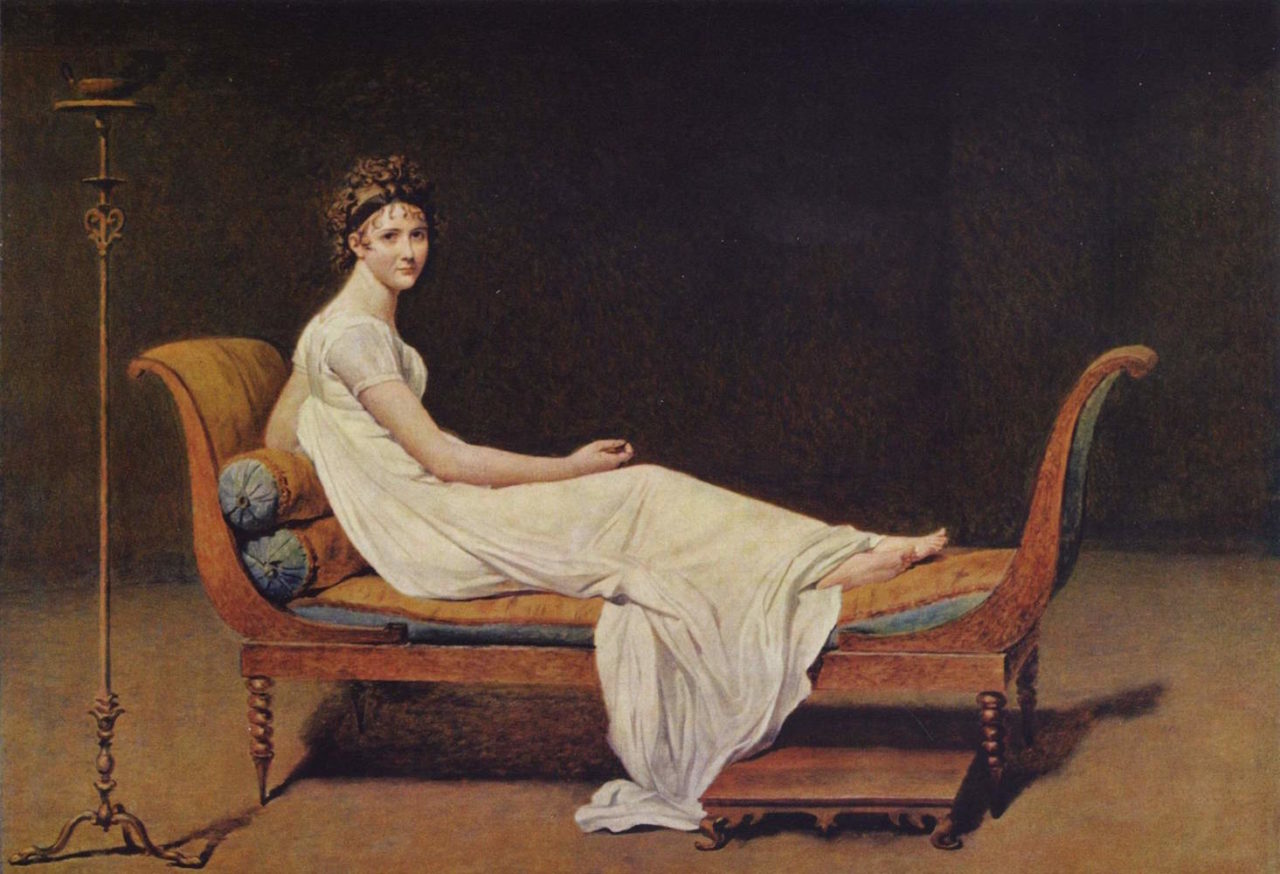
Fig. 1 - Jacques-Louis David (French, 1748-1825). Madame Récamier, née Julie (known as Juliette) Bernard, 1800. Oil on canvas; 174 x 224 cm. Paris: Louvre Museum, INV. 3708. Acquired at the sale of David's studio, 1826. Source: Wikipedia
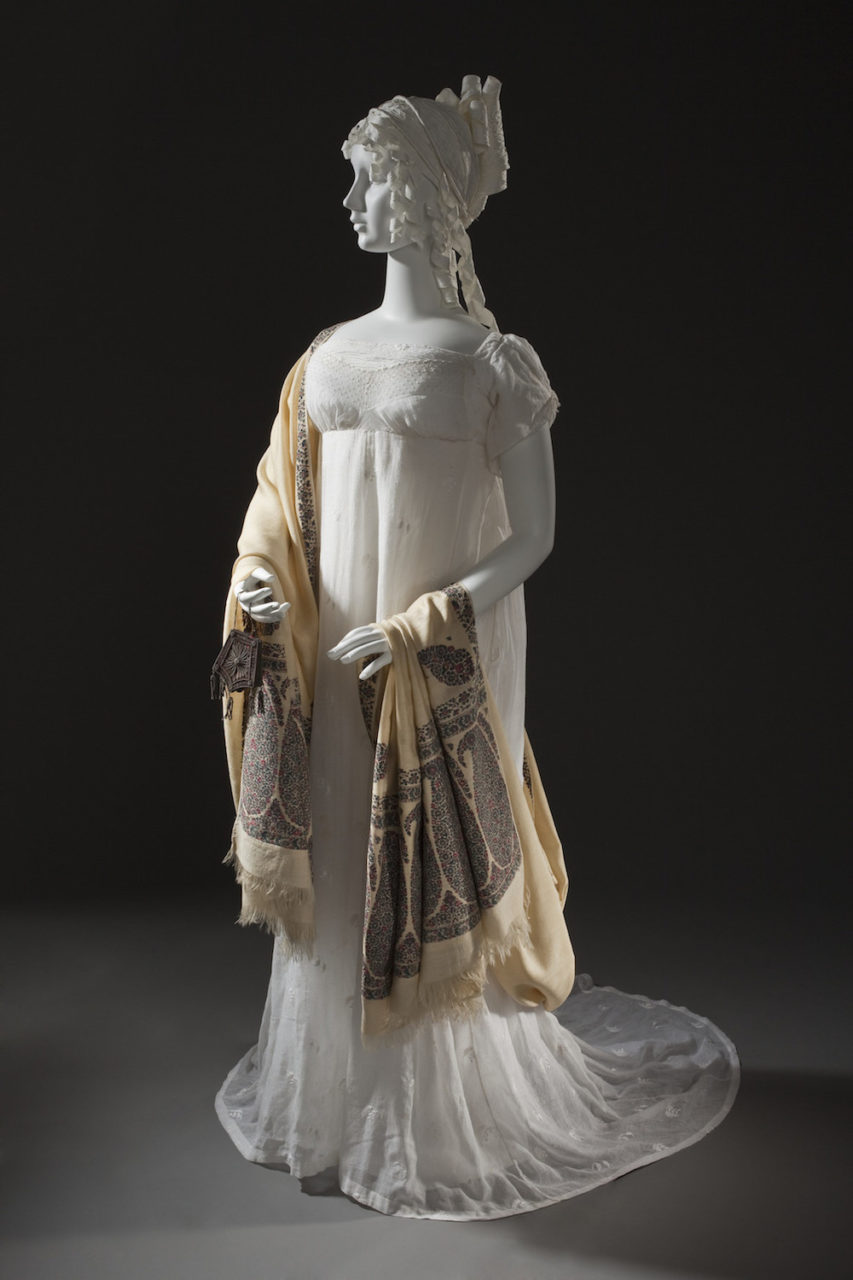
Fig. 2 - Designer unknown (Indian for the Western market). Dress and Kashmir Shawl, ca. 1800. Cotton muslin with silk embroidery. Los Angeles: Los Angeles County Museum of Art, Dress: M.2007.211.867, Shawl: M.45.3.150. Purchased with funds provided by Suzanne A. Saperstein and Michael and Ellen Michelson, with additional funding from the Costume Council, the Edgerton Foundation, Gail and Gerald Oppenheimer, Maureen H. Shapiro, Grace Tsao, and Lenore and Richard Wayne. Source: Los Angeles County Museum of Art
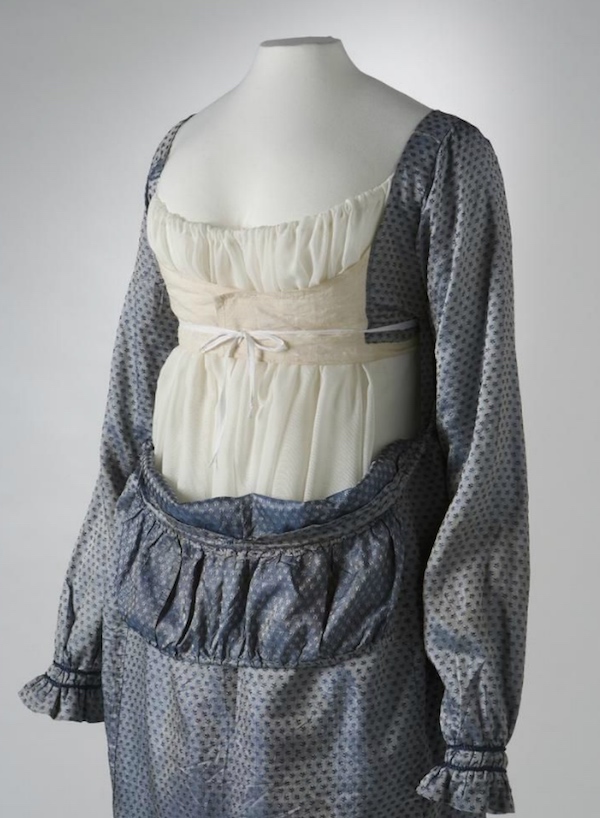
Fig. 3 - Designer unknown (British). Fall-front gown, ca. 1805-1810. Silk. Canberra: National Museum of Australia, 2005.0005.0141. Source: Pinterest
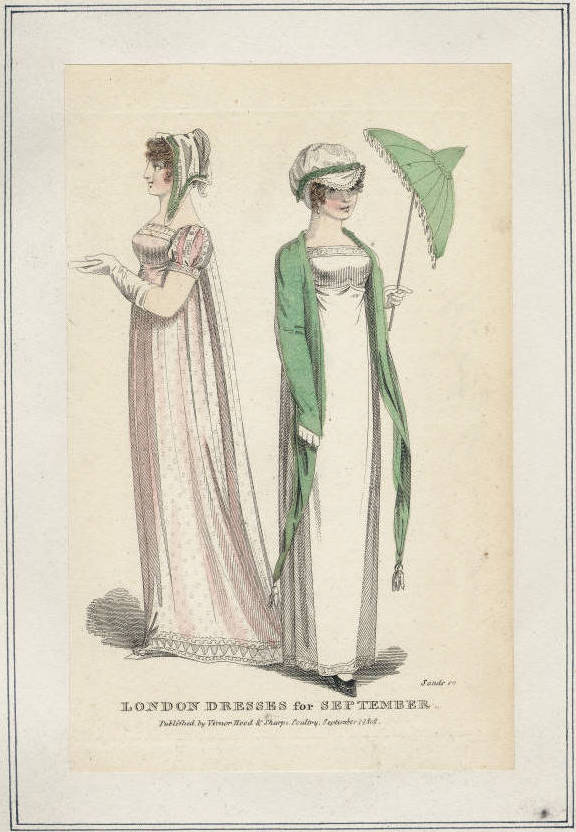
Fig. 4 - Artist unknown (British). Fashion Plate: "London Dresses for September" for "Ladies Museum", September 1808. Los Angeles: Los Angeles Public Library, rbc0238. Source: Los Angeles Public Library
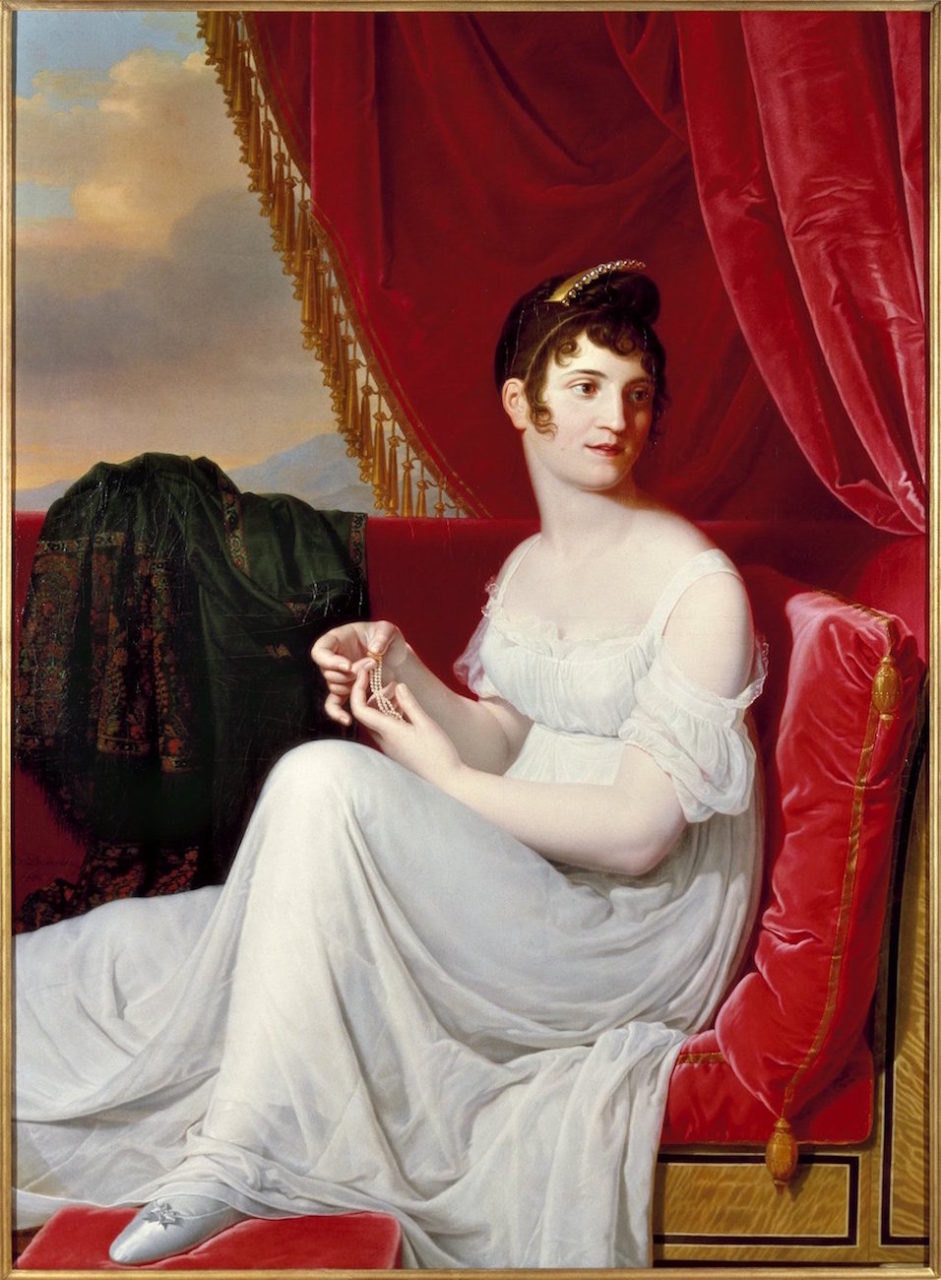
Fig. 5 - Jean-Bernard Duvivier (Belgian, 1762-1837). Portrait of Madame Tallien, 1806. Oil on canvas; (49 1/2 x 36 3/4 in). New York: The Brooklyn Museum, 1989.28. Healy Purchase Fund B. Source: The Brooklyn Museum
Dresses saw minor changes during the 1800s, losing much of the rounded volume of the previous decade. By 1810, skirts were much straighter, and the fullness that was left in the skirt was concentrated at the back, while the front was flat, falling straight to the floor (Fig. 4). In the early years, long trains were common on fashionable gowns, for both day and evening wear, but these began to gradually disappear around 1807 (Byrde 24; Foster 21, 29). The straighter, slimmer appearance of the 1800s was also echoed in the bodice back which featured seams that created a distinctive “kite” or “diamond” shape and gave a very slim, small-backed effect. Finally, straight, narrow sleeves too reinforced the clean lines (Davidson 26; Johnston 56).
Importantly, part of the neoclassical ideal was the beauty of the natural, nude body. Fashion legends abound that tell of women leaving off their stays entirely, and appearing with very little underwear at all; while it seems that some women really did abandon their stays, the practice was not widespread or mainstream. Instead, nudity was suggested in the revealing cut of dresses. Large portions of the chest and back were bared even in day dresses, sleeves were short, and draping muslin revealed the shape of the leg (Fig. 5) (C.W. Cunnington 28; Davidson 63-64; Laver 155). Of course, this new style of dress did force a change in underwear. The narrowed skirt only required a single petticoat; indeed one was necessary for modesty beneath the nearly-transparent muslin (Byrde 25). Both long and short stays were worn; the new term “corset” referred to lightly boned or even simply corded supports, and these were often worn instead of stays. The chief goal of any supportive undergarment was to raise and shape the breasts, as their natural roundness was desirable for the first time (Davidson 64). Finally, throughout the decade, the fullness in the back of the gown was supported by a bustle pad attached to the inside of the skirt (Johnston 166; C.W. Cunnington 32-33).
The neckline of dresses, for both day and night, was quite low and could be either square or V-neck. During the day, the low neckline could be filled in with a chemisette or tucker (Foster 22). In the early years, the most fashionable sleeve was short for both day and night. Later in the decade, long sleeves were also worn, and they began to gain some fullness at the sleeve head (Davidson 288-289). In the evening, there was a fashion for short overdresses or tunics which borrowed from the ancient Greek chlamys (Fig. 6). While white was considered correct for evening, the nearly transparent muslins were sometimes worn over colored silk slips, creating shimmering pastels (Fig. 4) (Byrde 25-27; C.W. Cunnington 29-30).
Textiles of the 1800s were often enriched with embroidery, one of the few elements permitted to disrupt the classical line. Whitework, colored and gilt threads, and chenille were all employed to decorate gowns with a variety of embroidered designs (Figs. 2, 7) (Johnston 146, le Bourhis 95, 104). While white was undoubtedly the most modish color for dresses, it was difficult and costly to maintain. Sturdier printed cottons and patterned silks were common for daywear, and warmer wools were acceptable in the winter months (Figs. 3, 8) (Byrde 27).
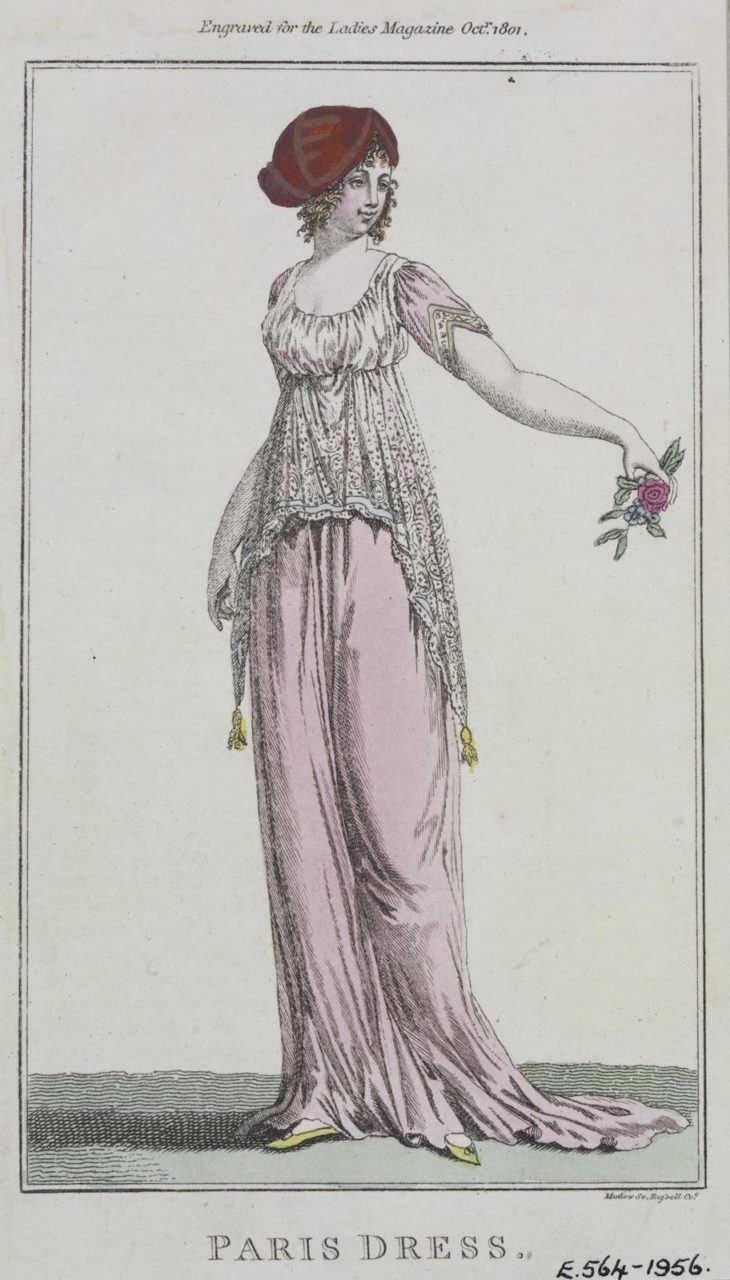
Fig. 6 - Artist unknown (British). Fashion Plate: "Paris dress", October 1801. Hand-colored etching; 17.78 x 10.16 cm. London: The Victoria & Albert Museum, E.564-1956. Source: The Victoria & Albert Museum
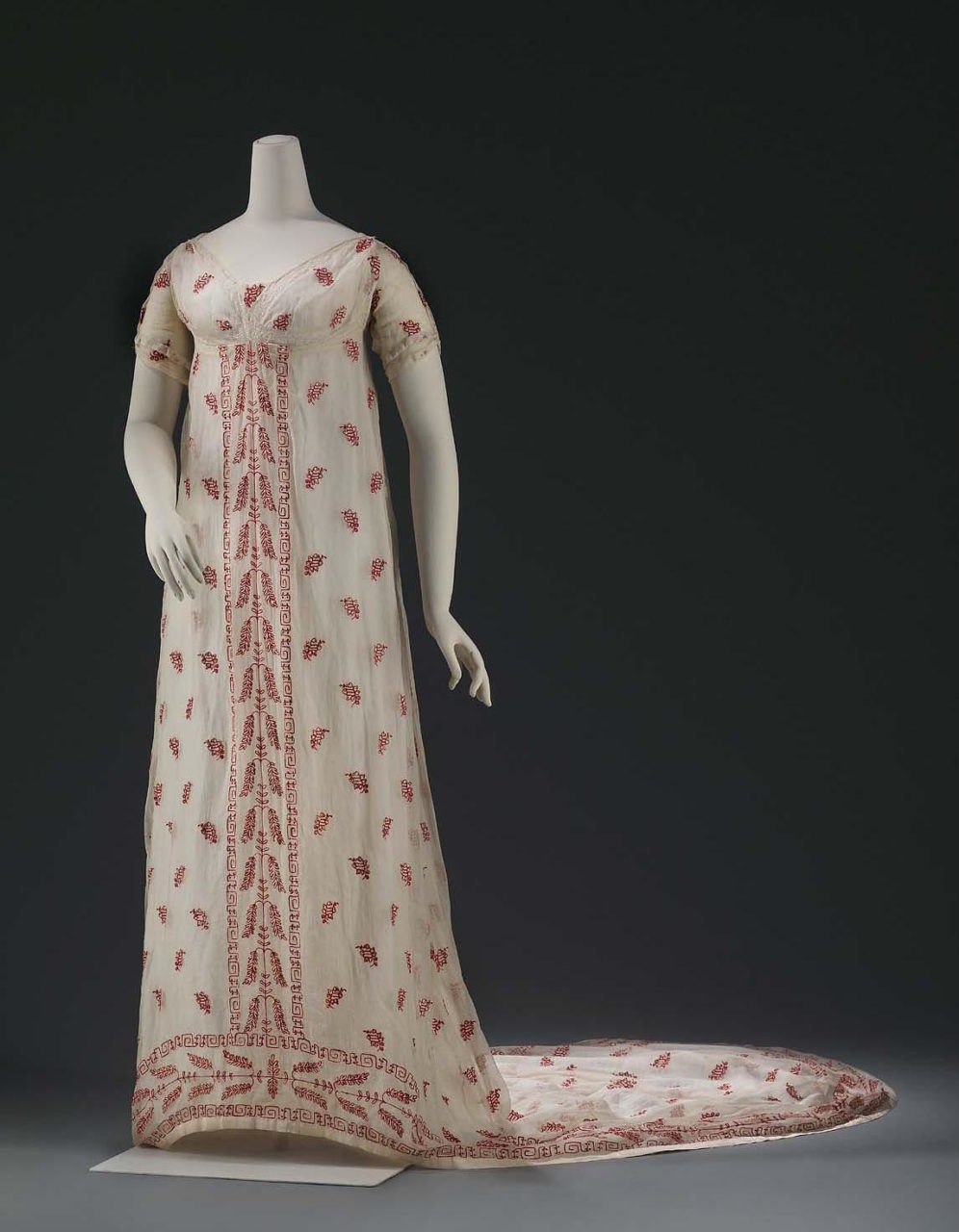
Fig. 7 - Designer unknown (French). Dress, 1805. Cotton gauze embroidered with wool and cotton. Boston: Museum of Fine Arts, 22.665. Gift of Miss Eleanora Curtis. Source: Museum of Fine Arts
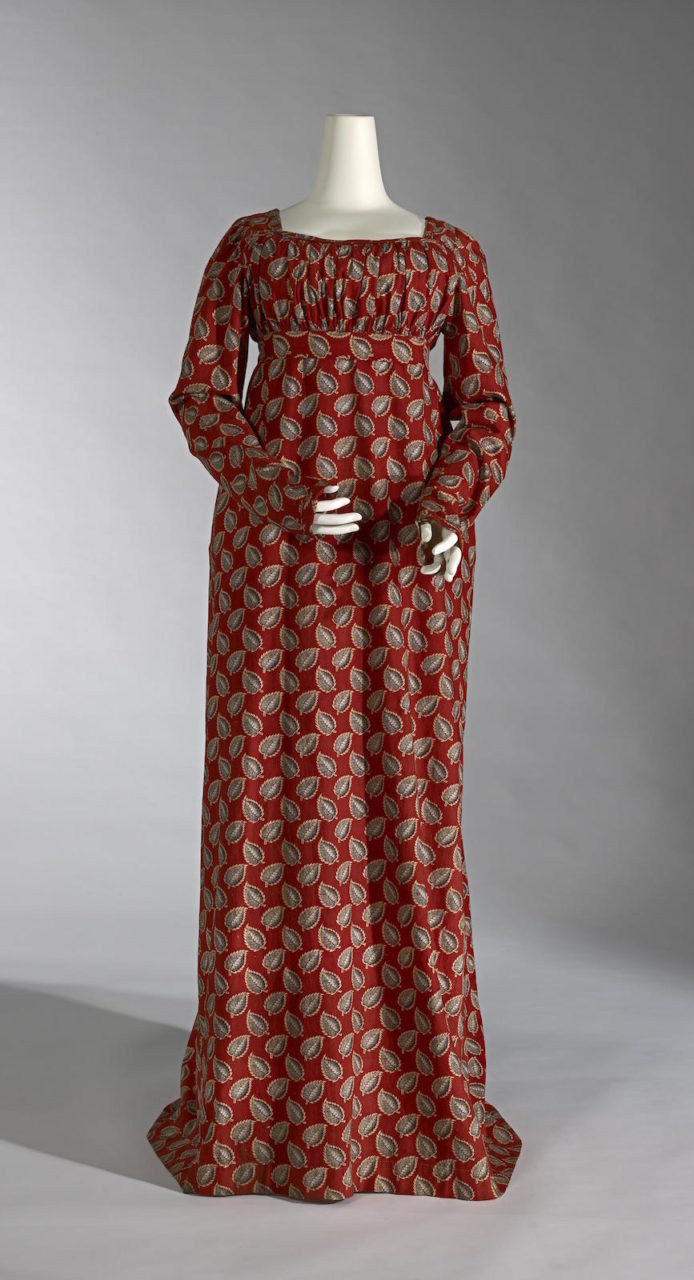
Fig. 8 - Designer unknown (British). Dress (round gown), ca. 1802. Printed cotton. Melbourne, Australia: The National Gallery of Victoria, D111.a-b-1974. The Schofield Collection. Purchased with the assistance of a special grant from the Government of Victoria, 1974. Source: The National Gallery of Victoria
A discussion of 1800s textiles would be incomplete without mention of the resurgence of French silk. In 1804, Napoleon declared the Empire, becoming Emperor, and he revived the luxury and pomp of the ancien régime, instituting lavish court dress once again. Napoleon gave the silk industry a much-needed boost in an imperial decree that French silk be worn at formal ceremonies (Fig. 9). The imperial commissions alone saved the French fashion industry which had been decimated during the Revolution (Fukai 125; le Bourhis 84-94, 100). While Paris was the center of women’s fashion, the best cottons originated in Britain and India; Napoleon forbade the wearing of foreign cotton in order to stimulate French manufacturing. His wife, Joséphine, was the most fashionable woman of the era, the undisputed leader of la mode, and she negotiated the contradictions of a fashion that preferred simple muslin with the demands of court dress expertly (Fig. 10) (Jensen).
Outerwear and accessories were essential elements of the period, often introducing pops of color (Ashelford 178). By far, the most important accessory of the neoclassical period was the shawl, specifically Indian kashmiris/cashmere (Figs. 2, 5). Lightweight muslin gowns did not provide much protection from the cold, and shawls became a necessary accessory; not only did they provide warmth, they added to the classical draped effect. Imported Indian shawls were wildly expensive luxuries, and a favorite of Empress Joséphine (Fig. 10) (Jensen). European weavers quickly began to create cheaper imitations, most notably in Paisley, Scotland, and that city’s name would become synonymous with the pine or buta/boteh motif (Laver 155; Johnston 40; le Bourhis 77, 81). Other forms of outerwear included the pelisse (Fig. 11) and the redingote, both types of coat, and the spencer, a cropped jacket (Ashelford 179; C.W. Cunnington 34-38). Other smaller accessories also mark the era, such as swansdown boas and large fur muffs. Notably, the reticule, a small drawstring handbag, became a standard element of a woman’s outfit (Fig. 12). Reticules became essential as the era’s narrowly-cut skirts prevented the wearing of pockets beneath the dress (Byrde 25-29).
Hairdressing further underscored the classical inspiration of the era; styles were frequently given names from antiquity such à l’Agrippine and à la Phèdre (le Bourhis 80). The most extreme style was à la Titus, in which the hair was cropped short and messily tousled. More frequently, a woman’s hair was arranged in ringlets and curls, often entwined with bandeaux, ribbons, and jeweled combs (Figs. 1, 5, 10) (Tortora 317; Foster 22, 26). There was an astonishing variety of millinery. Jockey caps, lavish evening turbans, wide-brimmed bonnets, face-shielding poke bonnets, and veiled caps were all modish choices (Figs. 4, 6, 13) (C.W. Cunnington 29, 52-53).
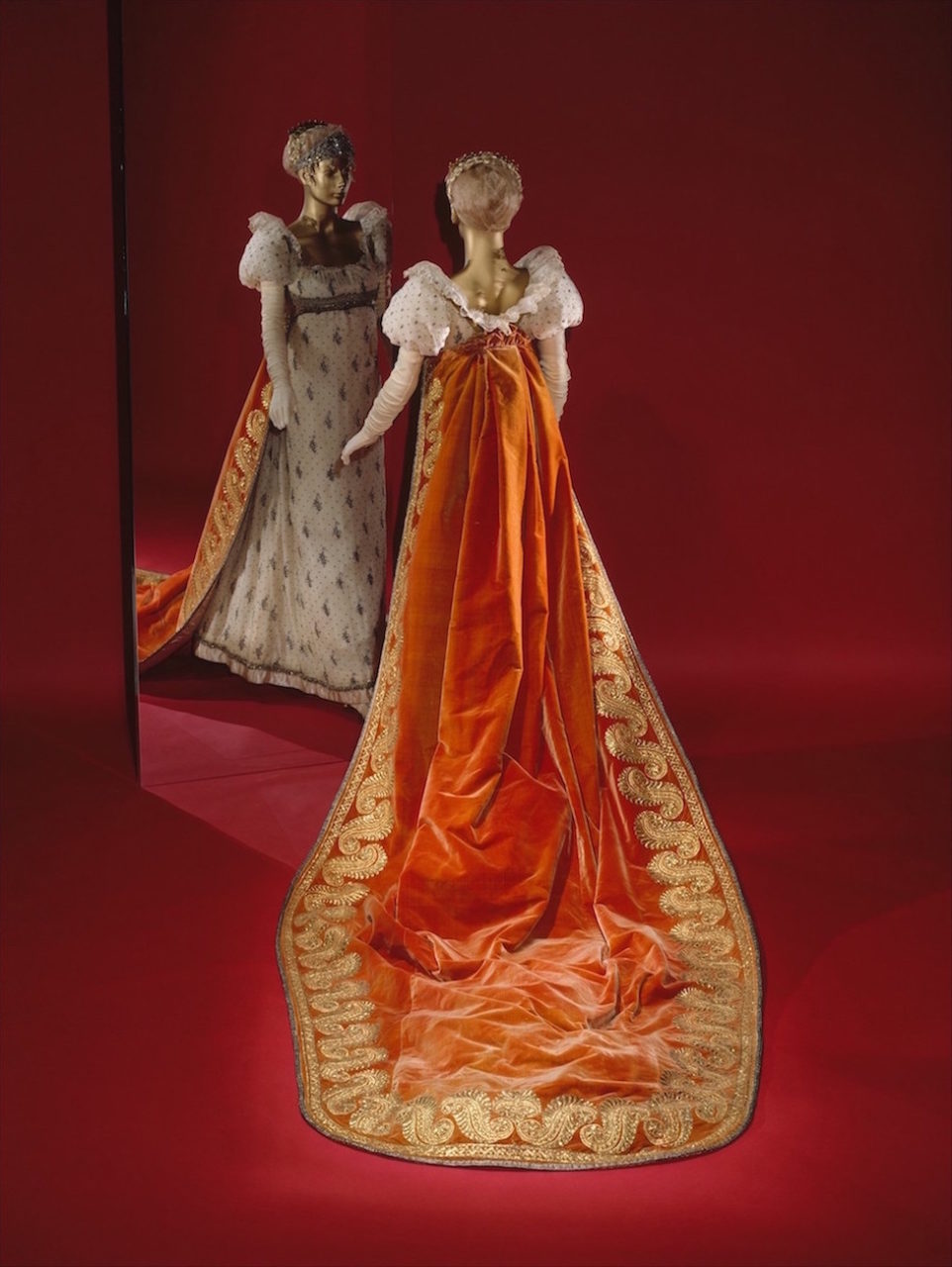
Fig. 9 - Designer unknown (French). Court costume, ca. 1809. Silk, metal thread. New York: The Metropolitan Museum of Art, 32.35.10. Rogers Fund, 1932. Source: The Metropolitan Museum of Art
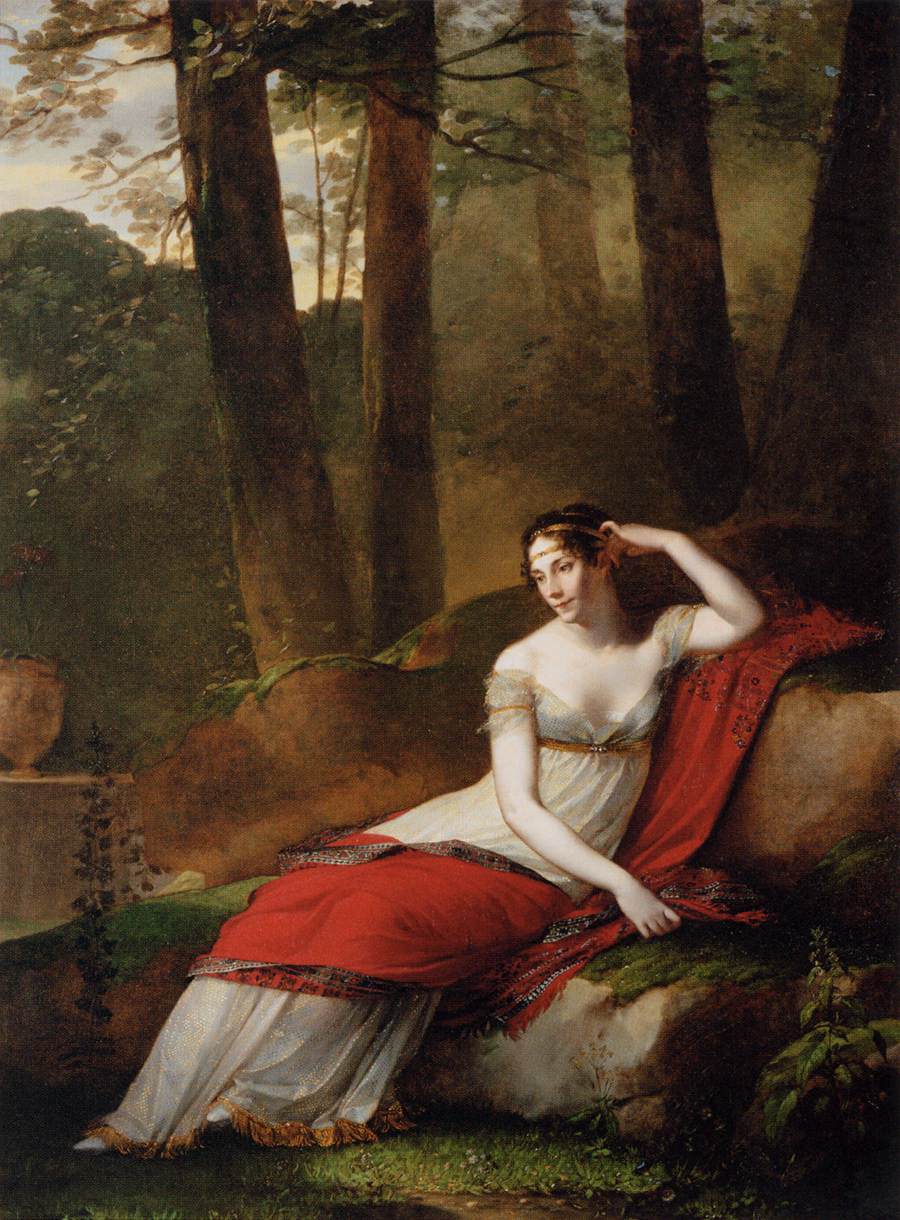
Fig. 10 - Pierre-Paul Prud'hon (French, 1758-1823). The Empress Joséphine, 1805. Oil on canvas; 244 x 179 cm. Paris: Louvre Museum, R.F. 270. Assigned to the Louvre, 1879. Source: Wikimedia

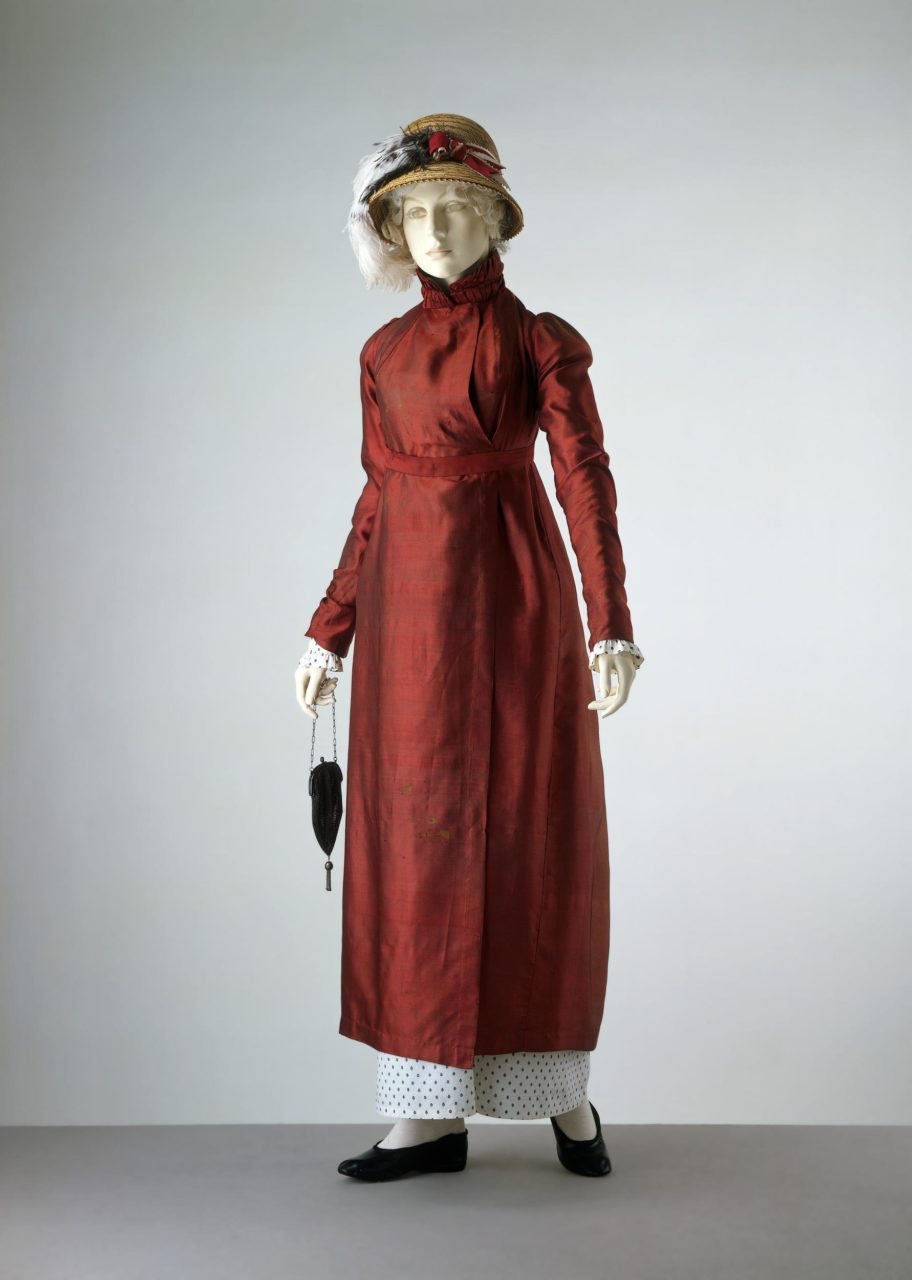
Fig. 11 - Designer unknown (English). Pelisse, ca. 1809. Silk. London: The Victoria & Albert Museum, T.24-1946. Given by Miss M. D. Nicholson. Source: The Victoria & Albert Museum
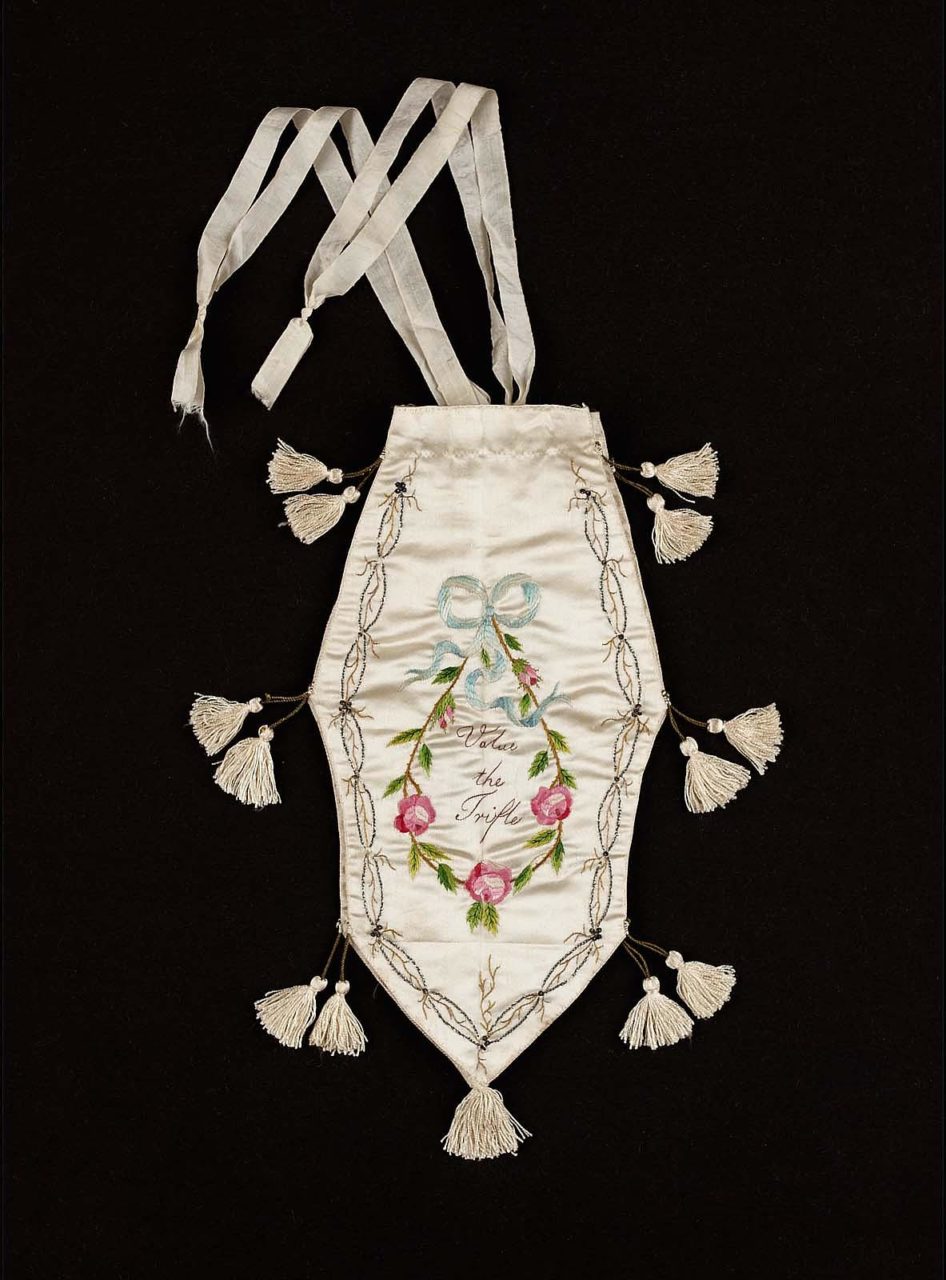
Fig. 12 - Designer unknown (English or American). Reticule, ca. 1800-1810. Silk; 27 x 20 cm. Boston: Museum of Fine Arts, 64.692. Bequest of Maxim Karolik. Source: Museum of Fine Arts
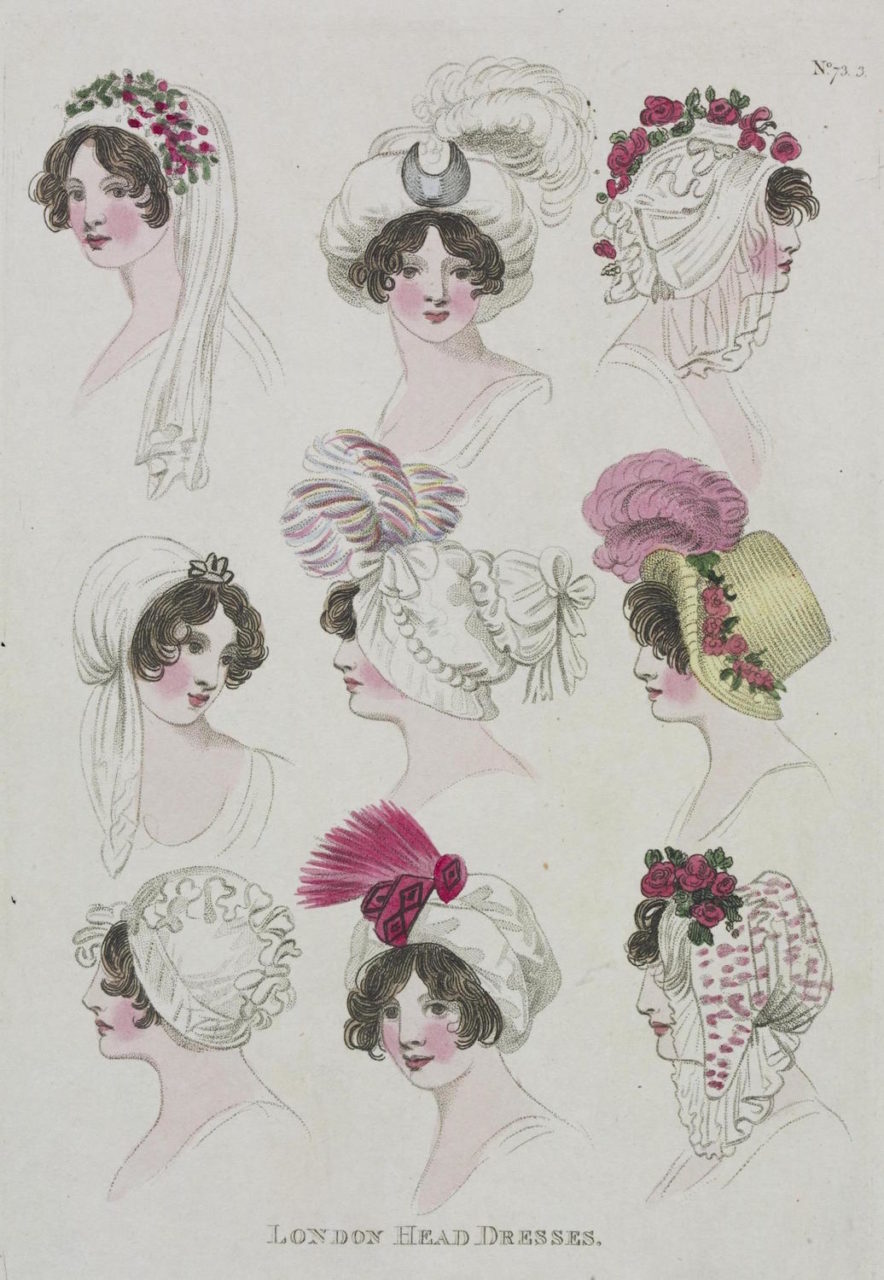
Fig. 13 - Artist unknown (British). Fashion Plate: "London Head Dresses", ca. 1804. Hand-colored stipple engraving; 22.2 x 13.5 cm. London: The Victoria & Albert Museum, E.1015-1959. Given by Mr James Laver CBE. Source: The Victoria & Albert Museum
Source: Harper Franklin, "1800–1809," Fashion History Timeline, June 25, 2020, last updated November 25, 2025.
Comments