


Fabric paintings bring softness, depth, and character into interior spaces in a way few other art forms achieve. The texture of fabric combined with hand-painted detailing creates a tactile visual experience that enriches walls, furniture spaces, and decorative corners. Choosing the right piece requires careful attention to several details that directly influence quality, longevity, and aesthetic harmony.
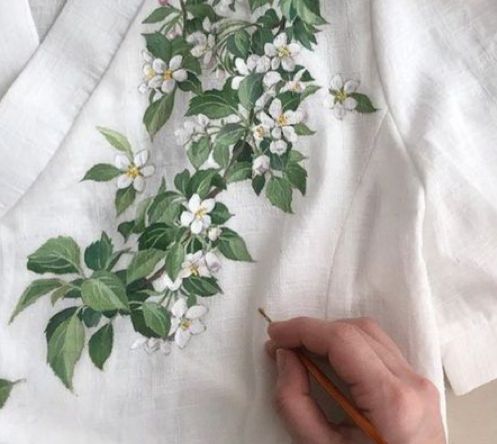
Online platforms have expanded access to fabric art, yet this convenience also demands sharper evaluation skills. Every piece may look appealing on screen, but its real value depends on material quality, craftsmanship, and suitability for the intended space.
Fabric Quality That Defines Longevity
Fabric acts as the foundation of any fabric painting. Its strength, weave, and texture determine how well the artwork holds paint and resists wear over time.
Cotton remains a preferred base due to its absorbent nature and smooth finish. Silk offers a luxurious sheen but requires careful handling. Synthetic blends provide durability but may lack natural depth.
A high-quality fabric prevents sagging, fading, and distortion. Poor fabric leads to uneven paint absorption and reduces visual appeal.
Paint Type and Color Stability
Paint quality directly affects the visual strength of fabric artwork. Pigments must adhere firmly to fibers without cracking or fading.
Artists often use fabric-specific paints that maintain flexibility. These paints ensure that the artwork remains intact even when the fabric moves or bends.
Color stability plays a critical role in long-term satisfaction. Strong pigments maintain vibrancy under different lighting conditions. Weak paints lose intensity and make the artwork appear dull.
Craftsmanship and Artistic Precision
Fabric painting relies heavily on manual skill. Brush control, detailing, and layering techniques define the outcome.
Precision in strokes separates professional work from amateur execution. Clean edges, balanced composition, and consistent detailing reflect strong artistic control.
Handcrafted work carries subtle variations that add authenticity. However, excessive irregularities can indicate poor execution. Evaluating craftsmanship ensures that the artwork delivers visual harmony.
Checking Fabric Stretching and Frame Strength
A well-stretched fabric maintains shape and prevents wrinkles. Proper tension ensures that the painting appears smooth and professional.
Frames support the structure of fabric paintings. Wooden frames provide stability, while lightweight materials reduce strain on walls.
Weak framing leads to sagging and uneven surfaces. Strong framing preserves the integrity of the artwork over time.
Evaluating Color Harmony with Interior Spaces
Fabric paintings must align with existing décor elements. Color harmony enhances cohesion and prevents visual conflict.
Neutral interiors benefit from vibrant fabric art that introduces contrast. Color-rich interiors require balanced or muted tones to avoid overcrowding the visual field.
Lighting also influences color perception. Natural and artificial light can alter how fabric textures and pigments appear throughout the day.
Size Selection and Wall Compatibility
Proportion plays a decisive role in fabric painting selection. A piece that fits well within a space enhances balance and visual flow.
Large fabric paintings suit spacious walls and open interiors. Smaller pieces work well in compact areas or grouped arrangements.
Incorrect sizing disrupts spatial harmony. Careful measurement of wall dimensions ensures proper fit and proportion.
Texture Depth and Visual Impact
Fabric paintings introduce a layered texture that adds dimension to interiors. This tactile quality differentiates them from flat printed artworks.
Raised paint, embroidery elements, or mixed fabric techniques enhance depth. These features interact with lighting and create shifting visual effects.
Texture should complement rather than overwhelm the space. Balanced texture ensures elegance without excess complexity.
Authenticity of Handmade Work
Authenticity remains a key factor in fabric art selection. Handmade pieces carry individuality and artistic expression.
Machine-produced imitations lack subtle variations and emotional depth. Authentic fabric paintings display slight imperfections that confirm human involvement.
Buyers should check for artist signatures, process descriptions, or creation details that confirm originality.
Durability and Maintenance Requirements
Fabric paintings require specific care to maintain their appearance. Dust accumulation, moisture exposure, and sunlight can affect longevity.
Proper placement away from direct sunlight preserves color vibrancy. Regular dusting using soft tools maintains surface clarity.
Moisture-prone areas should be avoided to prevent fabric damage or mold formation.
Key maintenance practices include:
- Keeping artwork away from direct sunlight
- Avoiding humid or damp wall placement
- Using soft brushes for dust removal
- Preventing contact with water or chemicals
- Inspecting frame tension periodically
These steps ensure long-lasting visual quality and structural integrity.
Style Compatibility with Interior Themes
Fabric paintings must align with the overall interior style. A mismatch can disrupt visual coherence.
Traditional interiors pair well with intricate fabric art featuring cultural motifs. Modern interiors benefit from abstract or minimal fabric compositions.
Bohemian spaces embrace layered textures and vibrant patterns. Scandinavian interiors favor subtle tones and clean designs.
Lighting Conditions and Visual Enhancement
Lighting significantly influences fabric paintings. Proper illumination highlights texture, depth, and color variations.
Soft ambient lighting enhances warmth and detail. Focused lighting emphasizes texture and brushwork.
Harsh lighting may distort colors or create unwanted glare. Placement should consider both natural and artificial light sources.
Checking Mounting and Installation Method
Fabric paintings require secure mounting to maintain alignment. Improper installation leads to sagging or uneven display.
Wall anchors, hooks, and frame supports must match the weight of the artwork. Balanced installation ensures stability and visual alignment.
Installation height should align with eye level for an optimal viewing experience.
Price vs Quality Evaluation
Price often reflects material quality, craftsmanship, and artistic effort. However, high cost does not always guarantee superior value.
Evaluation should focus on fabric quality, paint durability, and artistic execution. Balanced pricing reflects fair value for craftsmanship and materials used.
Budget decisions should prioritize longevity over temporary visual appeal.
Emotional Connection with Artwork
Fabric paintings often evoke emotional responses through texture and color. Selection should reflect personal taste and emotional resonance.
A strong connection enhances satisfaction and long-term appreciation. Artwork that aligns with personal expression creates deeper interior harmony.
Avoid selecting pieces solely based on trends or external influence.
Digital Presentation vs Reality Check
Online visuals may not always represent true texture or color accuracy. Fabric paintings often appear different under real lighting conditions.
Zoomed images, fabric close-ups, and detailed descriptions help evaluate authenticity. Customer reviews and real installation photos provide additional clarity.
Careful assessment reduces the mismatch between expectation and reality.
Return Policies and Purchase Security
Reliable purchase decisions depend on clear return and exchange policies. Fabric paintings require flexibility in case of a mismatch or damage.
Check refund terms, replacement options, and shipping protection before final selection. Secure policies build confidence in online transactions.
Where Fabric Paintings Fit Best in Interiors?
Fabric paintings adapt to multiple interior zones when placed thoughtfully:
- Living rooms benefit from expressive, textured focal pieces
- Bedrooms gain softness through calm and subtle fabric art
- Hallways use smaller fabric panels for continuity
- Dining spaces gain warmth through cultural or abstract themes
- Entry areas create strong first impressions with bold designs
Expanding Access Through Online Platforms
Digital access has widened the availability of fabric paintings across regions. Buyers can now compare styles, materials, and techniques with ease.
Many prefer to buy fabric painting online in India due to the variety and accessibility. This shift allows greater exposure to diverse artistic traditions and modern interpretations.
Sustainability and Ethical Considerations
Sustainable materials and ethical production practices influence purchasing decisions. Natural fabrics, eco-friendly dyes, and responsible sourcing support environmental balance.
Artists increasingly adopt sustainable methods without compromising artistic quality. Buyers contribute to this movement through conscious selection.
Common Mistakes to Avoid
Several mistakes reduce the value of fabric painting purchases:
- Ignoring fabric quality and focusing only on visuals
- Overlooking frame strength and stretching quality
- Choosing sizes without measuring wall space
- Disregarding lighting conditions
- Selecting art without evaluating craftsmanship
Avoiding these errors ensures better long-term satisfaction.
Conclusion
Fabric paintings enhance interiors through texture, color, and artistic depth. Every detail, from material choice to placement, influences the final aesthetic impact.
Careful evaluation ensures that each piece integrates seamlessly into the space. Thoughtful selection transforms fabric art into a lasting visual asset that strengthens interior identity and elevates overall ambiance.