

Why Consistent Dock Care Matters More Than You Think

Your waterfront gets way more fun when your boat docks hold up well all year round. Yet even small changes in weather or constant contact with water can slowly damage them, something lots of owners don’t expect. Taking regular action doesn’t just guard the build - it makes every moment by the shore easier and much safer. Instead of waiting for problems, smart setup paired with solid marine building gives real results over time. By keeping ahead of issues, your dock stays strong, clean, and ready - no matter what the season throws at it.
Understanding the Natural Wear That Comes With Changing Seasons
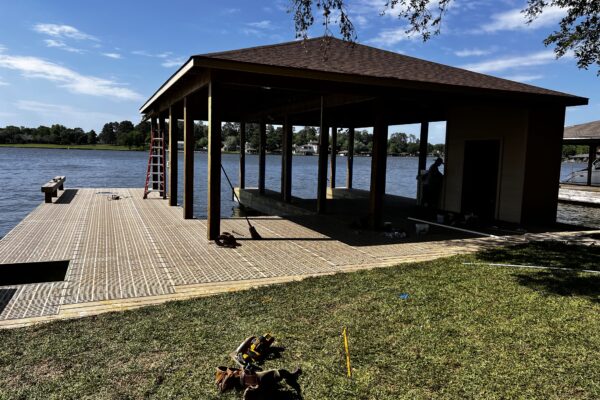
Each season changes how your dock holds up - being ready makes a difference. When it’s hot, constant use piles on, water rises, while blazing sunlight beats down, gradually breaking things apart. Once it cools off, watch for wobbly planks, tight fittings, and wood swelling then shrinking, tugging at joints bit by bit. If storms hit hard or frost comes fast, looking after it nonstop matters way more. Spotting these shifts ahead of time means tiny fixes now skip major headaches later.
Cleaning Your Dock Regularly Makes the Biggest Difference
Wiping down your dock now and then’s a no-brainer, still plenty skip it. Grime, gunk, or algae pile up quicker than folks think - mostly near shady spots or damp zones. If left alone, those goopy layers turn slick underfoot while wrecking the material beneath. Fresh-looking planks aren’t just eye candy - they help you catch wobbly slats, busted fittings, or soft patches before they get worse. Wooden boat docks? They need extra attention ’cause muck plus wetness speeds up decay.
Inspecting the Structure Helps You Catch Problems Early
A quick check now and then really helps avoid big repair bills down the line. Spot clues like rusty screws, split wood, wobbly posts, or odd movements when you walk on the deck. Fixing tiny problems early cuts the risk of bigger ones popping up later on. Staying on top of things keeps your dock safer - rotten spots turn risky if ignored. Knowing how normal wear looks means fresh trouble stands out faster.
Protecting the Surface Extends Its Lifespan
Docks get hit by sun and wet conditions nonstop - so they’ve gotta be protected somehow. Wooden ones should have their surfaces sealed once in a while, say yearly or every couple years, just to keep water out and stop decay before it starts. Composites don’t ask for much, yet still do better when cleaned now and then, helping them resist color loss or damage over time. When your dock ties into a larger build made tough through solid Marine Construction methods, upkeep isn’t just about looks - it supports the whole waterfront layout’s stability. A little regular attention keeps things working well and looking decent long after installation.
Managing Water Levels and Weather Challenges
Water levels might change fast - this often happens in lakes or near coasts after storms or heavy rain. Watching these shifts keeps your dock from getting damaged. When a dock’s bolted in place, rising or falling water can stress the support beams or make it hard to reach safely. Floaters adjust easier to moving water, though they rely on solid anchors. Strong gusts, rough waves, or floating junk may hit harder than expected. Paying attention as seasons shift means you’ll catch issues before things go sideways.
Caring for Hardware and Moving Components
Bolts, hinges, ladders, or cleats - each one affects how well your dock works. They can get loose, rusty, or move out of place after months of action. Check them often; snug them up when needed, while swapping out any that are eaten by corrosion avoids shaky spots. If you’ve got a Boat Dock holding heavy gear or big boats, solid links matter way more. Look after these parts so the whole setup feels steady whenever you step on - not just for mooring but also chilling or having folks over near the water.
Preparing Your Dock for Harsh Weather Conditions
If your region deals with icy winters, sudden storms, or constant downpours, getting your dock ready early cuts down on harm. Take off add-ons, tighten mooring ropes, while inspecting how it's anchored - this keeps things steady when conditions turn rough. Wooden docks need extra care; shield bare spots, go over them with a fresh seal every few months so moisture doesn't get trapped and freeze overnight. Because solid marine-grade builds last longer under pressure, simple upkeep boosts that strength without wearing it out quickly.
Conclusion: A Well-Maintained Dock Keeps Your Waterfront Ready for Every Season
Cleaning now and then, checking things over, or tweaking stuff with the seasons keeps boat docks running smooth. Sticking to these little routines guards your cash outlay, makes hanging by the water way better, yet slashes chances of expensive fixes later. Use solid materials - ones that hold up - with clever marine building tricks so your dock lasts longer right where land meets lake. Keep at it all year round; suddenly you’ve got a spot that’s safer, nicer to look at, plus perfect for boat trips or just chilling during golden hour reflections.
FAQs
1. How often should I inspect my boat dock?
A check now and then spots problems fast - so your dock stays solid through all seasons.
2. Are wood docks harder to look after?
Yep, timber’s gotta be sealed - then cleaned now and then - or it’ll start decaying or get rough spots down the line.
3. What can you do ahead of a storm?
Fasten gear tightly - test tie-downs carefully… shift anything that can move before storms hit.
4. Does checking it every year help a dock stay strong over time?
Fine. Looking after it properly really helps your dock last longer - also cuts down on fix-up bills later.