


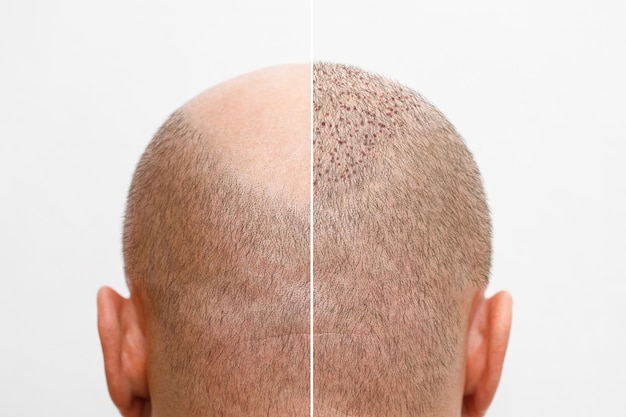
Hair loss is a common concern affecting both men and women, and alopecia can significantly impact self-confidence and appearance. This procedure has gained attention for its ability to provide realistic results and long-lasting improvements, making it an essential option for those seeking hair restoration. Hair Transplant Dubai has emerged as an effective solution, encouraging natural hair regrowth and restoring fullness in areas affected by hair thinning or baldness.
Understanding Hair Loss in Alopecia
Alopecia involves the loss of hair due to genetic factors, hormonal changes, or immune system responses. It can affect specific areas, such as the scalp, or occur more diffusely. While hair shedding is natural, prolonged thinning or bald patches often require intervention to restore density. Understanding the underlying cause of alopecia helps in planning a hair transplant approach that encourages natural regrowth.
How Hair Transplant Stimulates Natural Hair Growth
Hair transplant focuses on relocating healthy hair follicles from dense areas to regions experiencing thinning or baldness. The process encourages natural hair regrowth by allowing the transplanted follicles to adapt and grow in their new location. Over time, these follicles produce hair with similar texture, thickness, and appearance as the surrounding areas, resulting in a seamless and natural look.
Follicular Unit Extraction (FUE)
FUE involves extracting individual hair follicles and implanting them in targeted areas. This technique minimizes scarring and allows for precise placement of follicles, encouraging uniform growth. FUE is often preferred for its minimally invasive approach and the natural orientation of transplanted hairs.
Follicular Unit Transplantation (FUT)
FUT, or strip method, involves removing a small strip of scalp tissue containing hair follicles, which are then separated and implanted. This approach allows for the transplantation of a higher number of grafts in a single session, effectively restoring density in extensive bald areas while promoting natural hair growth.
Benefits of Hair Transplant for Alopecia
Hair transplant offers several advantages for individuals experiencing alopecia:
- Restores hair density and natural appearance
- Encourages self-confidence and psychological well-being
- Provides permanent and lasting results with proper care
- Offers the flexibility to style hair naturally after regrowth
The procedure is not limited to the scalp; it can also address areas such as eyebrows and facial hair, giving a uniform and balanced look.
The Hair Transplant Process
Understanding the steps involved in hair transplant helps in setting realistic expectations:
- Initial assessment of hair loss patterns and follicle quality
- Planning the placement of grafts to ensure natural growth direction
- Extraction of healthy follicles using FUE or FUT methods
- Implantation of follicles with attention to density and angle
- Monitoring growth over the following months as new hair emerges
This structured approach ensures a high success rate and promotes natural hair regrowth while maintaining harmony with existing hair.
Factors Affecting Successful Hair Regrowth
Several factors influence the outcome of a hair transplant:
- Quality and density of donor hair
- Skillful placement of follicles to match natural growth patterns
- Individual’s hair characteristics such as texture, curl, and thickness
- Consistency in following post-procedure care recommendations
Attention to these factors maximizes the effectiveness of the transplant, leading to fuller and healthier hair.
FAQs
How long does it take to see results?
Hair growth typically begins within a few months, with noticeable improvement in density around six to nine months. Full results may take up to a year as the transplanted follicles mature.
Can hair transplant address severe baldness?
Yes, both FUE and FUT techniques can effectively restore hair in large bald areas, depending on donor hair availability and individual characteristics.
Is the procedure painful?
Local anesthesia is used during the procedure, ensuring minimal discomfort. Many individuals report only mild soreness post-procedure, which can be managed effectively.
Are the results permanent?
Transplanted hair follicles are resistant to hair loss, offering long-lasting results. Regular maintenance of overall hair health further supports sustainable growth.
Can hair be styled naturally after the procedure?
Yes, transplanted hair blends with existing hair and can be cut, styled, or colored like natural hair, providing a seamless and realistic appearance.
Encouraging Natural Hair Growth After Transplant
While the transplanted follicles are designed to grow naturally, maintaining healthy hair habits enhances regrowth:
- Gentle hair care and avoiding harsh treatments
- Balanced nutrition supporting hair strength
- Regular scalp stimulation to improve blood circulation
- Monitoring hair progress and seeking guidance if growth appears uneven
These practices support robust hair growth and ensure the longevity of transplant results.
Conclusion
Hair Transplant in Dubai for alopecia is a transformative solution that encourages natural hair regrowth, restores self-confidence, and provides long-lasting density. With advanced techniques such as FUE and FUT, individuals can achieve realistic and aesthetically pleasing outcomes. This procedure offers more than cosmetic improvement; it delivers a renewed sense of self and well-being. For anyone struggling with hair loss, exploring hair transplant can be a decisive step toward regaining natural, fuller hair and embracing a revitalized appearance.