

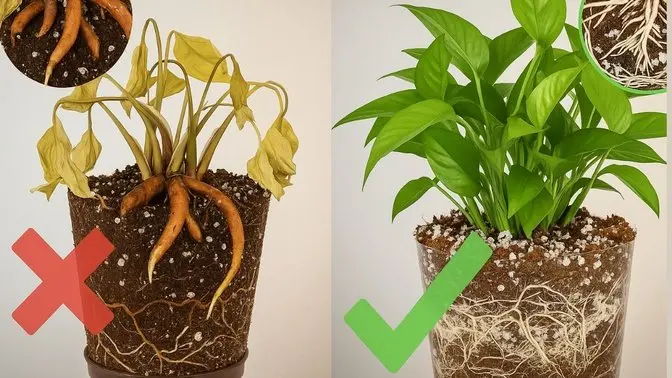
Caring for plants can sometimes feel like a delicate balance—right light, the right amount of water, and lots of love. But even when you follow all the best practices, there’s still a frustrating problem many gardeners face: their plants keep dying in the pot. You might have been careful with your watering, chosen the sunniest spot, and even whispered encouragement to your plants—but something is still going wrong. The culprit? The soil itself.
How Soil Breaks Down
If your plants are struggling, the issue often starts beneath the surface. Have you ever noticed your pot feels heavy long after you’ve watered, even though the top layer looks dry? That weight isn’t moisture your plants can use—it’s trapped water, collecting in compacted soil and sealing out oxygen. This creates an environment where the roots suffocate.
Many commercial potting mixes, especially those with peat moss, gradually collapse as they decompose. The result? Air pockets close up, pore space shrinks, and the soil becomes dense and waterlogged. The airless, stagnant environment left behind makes it nearly impossible for your plant roots to thrive.
Why Gravel Doesn’t Help
A common mistake many gardeners make is adding gravel or rocks to the bottom of their pots, thinking it will improve drainage. While this might sound logical, it actually makes the problem worse. Water doesn’t flow easily from fine soil into coarser material beneath it. Instead, it forms a trapped layer above the gravel, known as the perched water table. This zone stays saturated no matter how many drainage holes your container has, essentially shrinking the usable soil space for the roots.
Even without gravel, every container forms a perched water table. This happens because gravity and capillary action create a balance that traps water at a certain depth. The water your plant needs can’t reach the roots, and healthy growth becomes impossible.

The Root Rot Cycle
When the soil becomes waterlogged and oxygen-starved, it creates the perfect breeding ground for root rot. Without oxygen, roots can’t perform cellular respiration, the critical process that fuels their growth. Energy production stops, and the roots begin to decay. As the soil shifts from a healthy ecosystem to an anaerobic environment, harmful bacteria and fungi invade, feeding on dying roots.
At this point, the symptoms can be confusing. Your plant’s leaves may droop even though the soil feels damp. Growth slows, colors fade, and you might even notice a faint, unpleasant smell rising from the pot—this odor signals anaerobic bacteria breaking down root tissue. When you lift the plant from the pot, the damage becomes clear. Healthy roots are firm, white, and slightly crisp. But rotting roots are dark, soft, and slimy. They collapse at the slightest touch.

Why You Shouldn’t Just Water More
Many gardeners misread the signs of root rot as a simple thirst problem, leading them to water their plants even more. Unfortunately, adding more water only worsens the issue by pushing out the little oxygen that remains in the soil. Each extra watering deepens the suffocation and decay cycle. The key to saving your plants isn’t watering more—it’s improving the soil structure so it can breathe.

The Right Soil Mix for Healthy Roots
The solution lies in creating a well-balanced soil mix that promotes proper airflow and drainage. It’s not about finding a specific recipe, but about getting the balance right between three key components: a nutrient-rich base, a coarse material to promote aeration, and an organic component that retains moisture without suffocating the roots.
Materials like perlite or pumice help maintain pore space, while coarse bark, coco coir, or compost add organic matter that supports moisture retention and soil structure. These ingredients combine to create soil that feels light and airy yet retains just enough water for healthy growth.
Many store-bought soils rely heavily on peat moss, which compacts as it decomposes, eventually turning fluffy soil into a dense, water-retaining mat. By combining materials of different particle sizes, you can prevent this collapse, ensuring that the soil maintains its structure and allows oxygen to reach the roots.
The Role of Beneficial Microbes
Healthy soil is full of life, and beneficial microbes in compost or vermicompost play a crucial role in breaking down organic matter and making nutrients available to your plants. These microbes thrive in soils that stay moist but never waterlogged. They help maintain a self-regulating environment that keeps plant roots healthy and protected from disease.
For a more eco-friendly option, consider replacing peat moss with compost or biochar. Compost provides nutrients and living organisms, while biochar improves soil structure and moisture retention, reducing the environmental impact of peat extraction.
Repotting for Better Plant Health
Even the best soil mix will eventually break down, and knowing when and how to refresh it is essential to keeping your plants healthy. The key to successful repotting is recognizing when your plant has outgrown its container and needs more space to grow.
Look for signs like roots pushing through drainage holes, circling the inside of the pot, or water running straight through without soaking in. These are signs that the soil structure has collapsed, and the roots are struggling for space and oxygen. If you simply move the plant to a bigger pot without addressing the old, compacted soil, you’re carrying the same problem into a larger space.
To repot properly, gently shake off the old soil and loosen the roots. If the roots are densely matted, make a few vertical cuts with clean shears to encourage outward growth. Trim away any roots that are dark or mushy. Use fresh, well-draining soil in a pot that’s one or two sizes larger than the root mass. Spread the roots evenly and fill the pot without packing the mix too tightly.
Sustaining Healthy Plants Long-Term
Repotting restores the oxygen, structure, and space your plant needs to thrive. Once this foundation is stable, your plant can grow stronger, healthier, and more vibrant. Healthy plants don’t just rely on proper watering; they thrive in soil that breathes and lets oxygen reach the roots.
By following these steps, you’ll provide your plants with the ideal environment to grow strong and vibrant. Healthy soil means fewer problems with overwatering, better overall plant health, and less frequent repotting.
A New Approach to Soil Care
Healthy soil is the foundation of a thriving container garden. By preventing compaction, avoiding root rot, and regularly refreshing the soil, you’ll keep your plants growing strong and reduce the need for excessive watering or chemical fertilizers. Embrace these soil care tips, and watch your potted plants come to life again.
Comments