

How to Stop Pests and Odors in Roll Off Dumpsters?
Learn how to prevent pests and odors in roll off dumpsters. Follow expert tips for a clean, safe site. Call (614) 350-5475 for help.

Managing waste in roll off dumpsters requires attention to cleanliness. Pests and odors can create health and safety issues. Proper care keeps your site clean and neighbor-friendly. Using roll off dumpsters correctly prevents unwanted problems. Contact (614) 350-5475 for expert guidance on dumpster maintenance.
Preventing Pests in Roll Off Dumpsters
Pests like rodents and insects are attracted to food waste and debris. Preventing infestations protects the environment and community. Follow these steps to keep pests away from your dumpster.
Proper Waste Disposal
Avoid placing food scraps or organic waste in roll off dumpsters. Seal food waste in tight bags before disposal elsewhere. Clean up spills around the dumpster immediately. This reduces the attraction for pests like rats or flies.
Securing the Dumpster
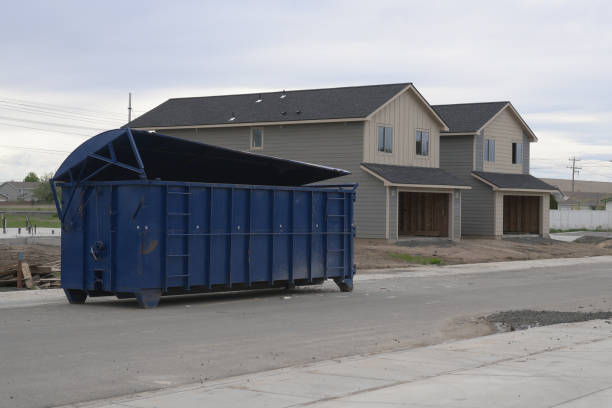
Keep the dumpster closed when not in use. If your dumpster has a lid, ensure it’s secure after loading. For open-top dumpsters, consider a tarp to cover the contents. A sealed dumpster discourages pests from entering.
Regular Cleaning and Maintenance
Clean the dumpster regularly to remove residue that attracts pests. Check for leaks or standing water, which can draw insects. Schedule timely pickups to avoid overfilled containers. Call (614) 350-5475 to arrange frequent dumpster maintenance.
Controlling Odors in Dumpsters
Odors from roll off dumpsters can disturb residents and attract pests. Proper management minimizes smells and maintains a pleasant environment. These strategies help control unpleasant odors effectively.
Using Odor Neutralizers
Sprinkle baking soda or odor-neutralizing products inside the dumpster. These absorb and reduce unpleasant smells. Avoid chemical sprays that may harm the environment. Check with your residential dumpster rental provider for safe products.
Proper Waste Sorting
Sort waste to separate smelly items like food or organic materials. Place these in designated bins for municipal pickup instead. Keeping the dumpster free of organic waste reduces odors. Proper sorting also aids recycling efforts.
Ensuring Proper Ventilation
Avoid overpacking the dumpster to allow air circulation. Trapped waste can produce stronger odors in confined spaces. Ensure the dumpster is placed in an open area. Good airflow helps minimize smells and keeps the site clean.
Choosing the Right Dumpster for Your Needs
Selecting an appropriate dumpster reduces pest and odor issues. The right size and type match your project’s waste output. This ensures efficient waste management and a cleaner site.
Understanding Commercial Sizes
Commercial sizes range from 10 to 40 yards, based on project needs. For construction dumpster rental, larger sizes handle bulky debris. Choose a size that prevents overfilling. This reduces pest attraction and odor buildup.
Matching Dumpster to Project Type
Residential dumpster rental is ideal for home cleanups or renovations. Commercial dumpster rental suits businesses or large projects. Select a dumpster that fits your waste type and volume. A proper match minimizes overflow and maintenance issues.
Key Tips for Pest and Odor Control
- Seal Waste Tightly: Use strong bags to contain odorous debris.
- Schedule Regular Pickups: Empty the dumpster before it overflows.
- Clean the Site: Remove debris around the dumpster to deter pests.
Working with a Reliable Dumpster Rental Service
A trustworthy provider helps manage pests and odors effectively. They offer guidance and services to keep your dumpster clean. Choose a reputable company for a hassle-free experience.
Verifying Provider Expertise
Select a licensed provider with experience in dumpster rental Winston-Salem. Check reviews to ensure they prioritize cleanliness and timely service. A reliable company offers advice on pest and odor control. This ensures a safe and clean project site.
Reviewing Rental Guidelines
Understand the provider’s rules for waste disposal and maintenance. Ask about restricted items, like food waste, that attract pests. Clear guidelines prevent issues during your rental period. Call (614) 350-5475 to discuss specific requirements.
Scheduling Frequent Pickups
Arrange regular pickups to prevent waste buildup. Frequent removal reduces odors and pest attraction. Coordinate with your provider for a pickup schedule that fits your project. Timely service keeps your site clean and safe.

Conclusion
Preventing pests and odors in roll off dumpsters requires proactive steps. Proper waste disposal, secure containment, and regular maintenance are key. Choosing the right dumpster and working with a reliable provider simplifies the process. By following these guidelines, you can maintain a clean and safe site. For expert assistance, contact (614) 350-5475 to ensure a pest-free dumpster experience.
FAQs
How do pests get into roll off dumpsters?
Pests are attracted to food waste, spills, or unsealed dumpsters. Rodents and insects enter through open tops or gaps. Seal waste tightly and keep the dumpster closed. Regular cleaning prevents infestations.
What causes odors in roll off dumpsters?
Odors come from food scraps, organic waste, or overpacked dumpsters. Poor ventilation worsens smells. Sort waste and use odor neutralizers to control smells. Schedule frequent pickups to reduce buildup.
Can I put food waste in a roll off dumpster?
Food waste is often restricted due to pest and odor issues. Check with your provider for rules. Seal food scraps in separate bins for municipal pickup. This keeps the dumpster clean.
How do I choose the right dumpster size?
Match the dumpster to your project’s waste volume. Commercial sizes range from 10 to 40 yards. Choose a size to avoid overfilling, which attracts pests. Consult your provider for advice.
How often should my dumpster be picked up?
Schedule pickups based on your project’s waste output. Frequent pickups prevent overflow and reduce odors. Coordinate with your provider for a suitable schedule. Call (614) 350-5475 for help.
Comments