

How Real-Time Video Monitoring Improves Recycling Facility Security?
Explore how recycling live security monitoring enhances safety, prevents theft, and ensures compliance in recycling facilities.

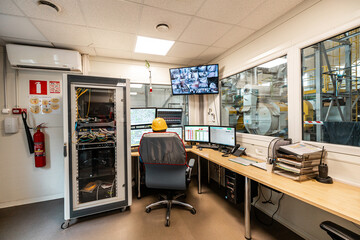
Recycling facilities are vital for sustainable waste management, but they face challenges like theft, safety risks, and regulatory compliance. To tackle these, facility managers are adopting advanced security solutions to protect operations and ensure efficiency. One of the most effective tools is recycling live security monitoring. This technology, often referred to as recycling real-time video monitoring, provides continuous oversight, helping facilities maintain security and streamline processes.

Advantages of Recycling Live Security Monitoring
Recycling live security camera monitoring offers a range of benefits that address the unique needs of recycling facilities. From protecting valuable materials to ensuring worker safety, this technology enhances overall operations.
Theft Prevention and Asset Protection
Recyclable materials like metals, electronics, and plastics are high-value targets for thieves. Recycling live security monitoring allows managers to keep a constant watch on storage areas, entry points, and processing zones. Real-time footage ensures that any suspicious activity is detected immediately, enabling quick response to prevent losses.
Worker Safety and Accident Prevention
Recycling facilities are inherently high-risk environments due to heavy machinery and hazardous materials. Recycling real-time video monitoring helps create a safer workplace by identifying potential dangers and ensuring safety protocols are followed.
Areas like sorting lines or machinery zones require constant monitoring to prevent accidents. Recycling live security monitoring provides real-time footage, allowing supervisors to spot unsafe practices, such as improper equipment handling. This immediate oversight helps reduce workplace injuries and promotes a culture of safety.
Ensuring Regulatory Compliance
Recycling facilities must comply with strict environmental regulations to avoid penalties and maintain licenses. Recycling live security monitoring plays a key role in ensuring adherence to these standards by documenting processes and identifying compliance issues in real time.
Proper handling of recyclables is critical to meet regulatory requirements. Recycling real-time video monitoring tracks sorting, processing, and disposal activities to ensure they align with environmental guidelines. For example, cameras can verify that hazardous materials are properly segregated, preventing contamination.
Real-Time Compliance Audits
Live footage allows managers to perform real-time audits of operations. By reviewing recycling live security monitoring feeds, they can confirm that processes meet standards, such as correct waste segregation or equipment maintenance. This helps facilities address potential violations before they lead to fines.
Regulatory bodies often require detailed records of facility operations. Recycling remote camera monitoring provides verifiable footage that can be used for reporting. This documentation simplifies audits and demonstrates a facility’s commitment to environmental responsibility, fostering trust with regulators.
Boosting Operational Efficiency
Beyond security and compliance, recycling live security monitoring enhances efficiency by providing real-time insights into facility operations. Managers can use this data to optimize workflows and address inefficiencies promptly.
- Streamlined Workflow Oversight
Live cameras offer a comprehensive view of operations, from material intake to processing and shipping. Recycling real-time video monitoring helps identify bottlenecks, such as delays in sorting lines, allowing managers to make data-driven decisions to improve productivity.
- Early Detection of Equipment Issues
Equipment malfunctions can cause significant downtime in recycling facilities. Recycling live security monitoring can detect issues like machinery jams in real time, enabling quick repairs. This minimizes disruptions and ensures consistent output, keeping operations on track.
- Staff Performance Optimization
Live footage allows managers to monitor employee performance and ensure adherence to best practices. For instance, recycling live security camera monitoring can reveal if workers need additional training on sorting protocols. This oversight helps maintain high standards of efficiency and quality.
Key Features of Recycling Live Security Monitoring Systems
Modern recycling live security monitoring systems are equipped with advanced technologies that enhance their effectiveness. These features make them ideal for the demanding environment of recycling facilities.
Cutting-Edge Camera Capabilities
Today’s cameras offer high-definition video, night vision, and wide-angle lenses, ensuring clear footage in all conditions. These capabilities are essential for recycling facilities, where operations often run around the clock. Recycling real-time video monitoring ensures no detail is missed, from material handling to perimeter security.
AI-Enhanced Analytics
AI-powered systems analyze footage in real time, detecting anomalies like unauthorized vehicles or unusual activity. Recycling live security monitoring with AI reduces the need for constant human oversight, making security more efficient while maintaining high accuracy in threat detection.
Cloud-Based Storage Solutions
Cloud-based systems allow facilities to store footage securely and access it remotely. Recycling remote camera monitoring enables managers to review live or recorded footage from anywhere, facilitating quick decision-making. Cloud storage also protects footage from physical damage, ensuring data integrity.
System Integration for Comprehensive Security
Recycling live security monitoring systems can integrate with other facility systems, such as access control or alarms, to create a unified security network. For example, cameras can trigger alarms when unauthorized access is detected, enhancing overall protection and streamlining security operations. For more insights into security technology, you can explore this Reddit discussion.
Conclusion
Recycling live security monitoring is a game-changer for recycling facilities, offering robust solutions for theft prevention, worker safety, regulatory compliance, and operational efficiency. With advanced features like AI analytics, high-definition cameras, and cloud storage, these systems provide comprehensive oversight and real-time insights. By deterring criminal activity, ensuring compliance, and optimizing workflows, recycling real-time video monitoring helps facilities operate securely and sustainably. As the recycling industry faces growing demands, live security systems are essential for protecting assets and fostering a safer, more efficient future.
FAQs
What is recycling live security monitoring?
Recycling live security monitoring uses cameras to provide real-time oversight of recycling facilities. It helps prevent theft, ensures worker safety, and maintains compliance with regulations by continuously monitoring operations and key areas.
How does live monitoring improve workplace safety?
Recycling live security camera monitoring identifies unsafe practices or hazards in real time, allowing supervisors to intervene promptly. It also provides footage for incident analysis, helping facilities improve safety protocols and reduce accidents.
Why is live monitoring important for regulatory compliance?
Recycling real-time video monitoring documents material handling and processing, ensuring adherence to environmental regulations. It provides records for audits and helps identify compliance issues before they result in penalties.
What technologies are used in live security systems?
These systems feature high-definition cameras, AI analytics, and cloud-based storage. Recycling remote camera monitoring ensures clear footage, real-time alerts, and secure, remote access to recordings for efficient security management.
How does live monitoring enhance efficiency in recycling facilities?
Recycling live security monitoring provides insights into workflows, identifying bottlenecks or equipment issues. This allows managers to address problems quickly, optimizing operations and maintaining consistent productivity.
Comments