

Avoid Risks: How to Check Tyre Expiry Date on Your Vehicle

Your car's tyres play a critical role in ensuring your safety, vehicle performance, and driving comfort. While most drivers regularly check tyre pressure and tread depth, few pay attention to the age of their tyres. Driving on aged or expired tyres can be hazardous, even if they appear to be in good condition. Whether you're using a traditional tube-type or a tubeless car tyre, knowing how to check tyre expiry date is essential to avoid accidents, blowouts, or unexpected tyre failures.
In this article, we’ll walk you through why tyre age matters, how to read tyre manufacturing dates, signs of tyre ageing, and the best practices to maintain tyre health. We'll also touch on how this knowledge applies to both standard and tubeless car tyre setups.
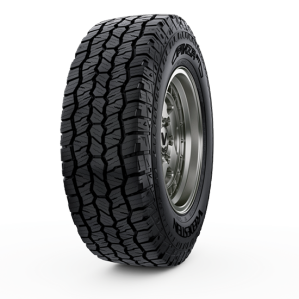
Why Tyre Expiry Matters
Tyres are made from rubber compounds that degrade over time, even if they are not heavily used. Heat, UV exposure, weather conditions, and road wear all contribute to tyre ageing. As tyres get older, they lose elasticity and strength, making them more prone to cracks, punctures, and blowouts. This is especially dangerous at high speeds or during emergency braking situations.
Most tyre manufacturers recommend replacing tyres every 5 to 6 years, regardless of mileage. Some experts suggest a maximum age of 10 years from the date of manufacture, even if the tyres appear to be in usable condition.
Ignoring the tyre’s expiry date can lead to:
Increased risk of tyre failure
Compromised grip and braking performance
Poor fuel efficiency
Uneven tread wear
Reduced comfort and ride stability
Understanding how to check tyre expiry date is the first step toward safer driving.
How to Check Tyre Expiry Date: Step-by-Step Guide
Fortunately, checking your tyre’s manufacturing date is simple. All you need to do is locate and decode the DOT code printed on the sidewall of your tyre.
Here’s how:
Locate the DOT Code
The Department of Transportation (DOT) code is a series of letters and numbers found on one side of the tyre’s sidewall. It typically begins with the letters "DOT" followed by a combination of alphanumeric characters.
Read the Last Four Digits
The last four digits of the DOT code indicate the week and year of manufacture:
The first two digits represent the week
The last two digits represent the year
For example:
If the DOT code reads DOT XP 4H 4219, the tyre was manufactured in the 42nd week of 2019.
This is the date you use to determine the tyre's age. From this point, calculate the number of years passed to assess whether it’s nearing the end of its lifespan.
Check All Tyres
Not all tyres wear equally. Tyres at the front may wear faster than those at the rear. It's a good idea to inspect all four tyres individually to get a clear picture of your vehicle’s overall tyre health.
What If You Can’t Find the DOT Code?
In some cases, the DOT code might be printed on the inner sidewall of the tyre (facing inwards). If so, you may need to slide under the vehicle or have a professional inspect it. Alternatively, if your tyre is worn out or the code is faded, it’s a strong indication that it's too old and should be replaced.
Tyre Ageing Signs to Watch For
Even if your tyres haven’t reached the manufacturer’s recommended expiry timeline, certain visible signs can indicate it’s time for replacement. These include:
Cracks or dry rot on the sidewalls
Bulges or blisters
Uneven tread wear
Tread separation
Increased road noise
Frequent loss of air pressure
These issues are relevant for both tube-type and tubeless car tyre varieties. Tubeless tyres, while modern and more puncture-resistant, are not immune to ageing. Their internal seals and rubber compounds can degrade just like conventional tyres.
Additional Tips for Tubeless Car Tyre Users
A tubeless car tyre offers numerous advantages, such as better air retention, reduced chances of sudden deflation, and improved safety. However, its performance is still dependent on the condition and age of the rubber.
Here are a few maintenance tips specific to tubeless tyres:
Regularly inspect for slow leaks or embedded nails.
Use TPMS (Tyre Pressure Monitoring System) if available.
Avoid sealants unless necessary, as they may damage internal components.
Rotate tyres every 5,000–8,000 km for even wear.
Store unused tyres in a cool, dry place away from sunlight.
Regardless of type, once you learn how to check tyre expiry date, you’ll be better equipped to decide when it’s time to replace your tyres.
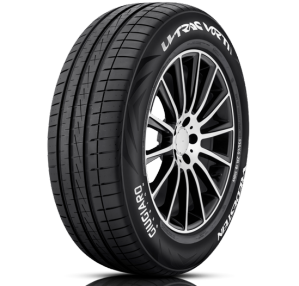
What to Do if Your Tyres Are Expired
If your tyres are beyond their recommended lifespan or show signs of ageing, don’t delay their replacement. Ageing tyres can fail suddenly and jeopardize your safety. When shopping for new tyres:
Choose a reputed brand with high-quality rubber compounds.
Check the manufacturing date of new tyres before purchase.
Avoid tyres that have been in stock for too long (ideally, not more than 6–12 months old).
This is particularly important when buying online or from lesser-known tyre shops. Always ensure that the DOT code confirms a recent manufacturing date.
Conclusion
Understanding how to check tyre expiry date is a simple yet crucial habit that can protect you, your passengers, and your vehicle. Tyres may look fine on the outside, but if they’ve aged beyond their intended lifespan, the risks are too high to ignore.
Whether you use standard tube-type tyres or a tubeless car tyre, regular inspections and awareness of tyre age can help prevent accidents and enhance the overall driving experience. Maintaining optimal tyre condition not only ensures your safety but also saves you money in the long run through better fuel efficiency and reduced vehicle wear.
For those looking to replace their old tyres with premium-quality options, Vredestein Tyres offers a wide range of reliable, high-performance solutions. Known for innovation, durability, and European engineering excellence, Vredestein ensures that every tyre meets the highest safety and performance standards. With advanced tread designs and cutting-edge technology, Vredestein Tyres is a trusted choice for drivers who refuse to compromise on quality and reliability.