

How to Catch Cancer Early – Simple Home Tests That Could Save Your Life
Regular self-examinations can be life-saving by detecting cancer in its earliest stages. This guide breaks down essential self-checks for breast, testicular, skin, and oral cancer, making it easy for anyone to follow. Learn how to spot warning signs like unusual lumps, skin changes, or persistent sores before they become serious. With step-by-step instructions and clear explanations, this article empowers you to take charge of your health. Early detection is key—make self-exams a routine and stay ahead of potential risks!

Cancer is a leading cause of death worldwide, but early detection can significantly increase survival rates. Regular self-examinations help identify warning signs before cancer advances. This guide provides easy-to-follow instructions for self-exams to detect breast cancer, testicular cancer, skin cancer, and oral cancer early.
1. Breast Cancer: Self-Exam for Women and Men
How to Perform a Breast Self-Exam
Performing a monthly breast self-exam helps detect changes in size, shape, or texture. Follow these steps:
Step 1: Stand Before a Mirror
- Look for changes in size, shape, or skin texture (dimpling, redness, or swelling).
- Raise your arms and observe for any differences.
Step 2: Feel for Lumps
- Use the pads of your three middle fingers.
- Apply light, medium, and deep pressure.
- Move in circular motions around the breast and armpits.
Step 3: Examine in Different Positions
- Standing or sitting: Perform a vertical pattern exam from the collarbone to the bottom of the breast.
- Lying down: This allows for even distribution of breast tissue, making lumps easier to detect.
Signs and Symptoms to Watch For
- Swelling in part or all of the breast.
- Skin changes such as dimpling or redness.
- Nipple pain, retraction, or discharge (other than breast milk).
- Unusual lumps or thickening in the breast or underarm area.
Men: Though breast cancer is rarer in men, it can occur. Lumps are most often found behind the nipple in men. Follow the same self-exam method monthly.

2. Testicular Cancer: Self-Exam
Testicular cancer is most common in young men, but early detection leads to high survival rates.
How to Check for Testicular Cancer
The best time to check is after a warm shower when the skin is relaxed.
- Perform the test in the shower.
- Soap up to make it easier to feel changes.
- Examine one testicle at a time.
- Gently roll each testicle between your fingers.
- Feel the spermatic cords at the back of each testicle.
- Look for:
- Hard lumps or bumps.
- Changes in size, shape, or consistency.
- Areas that feel painful or different.
A slight difference in testicle size is normal, but sudden changes require medical attention.
3. Skin Cancer: ABCDE Rule for Early Detection
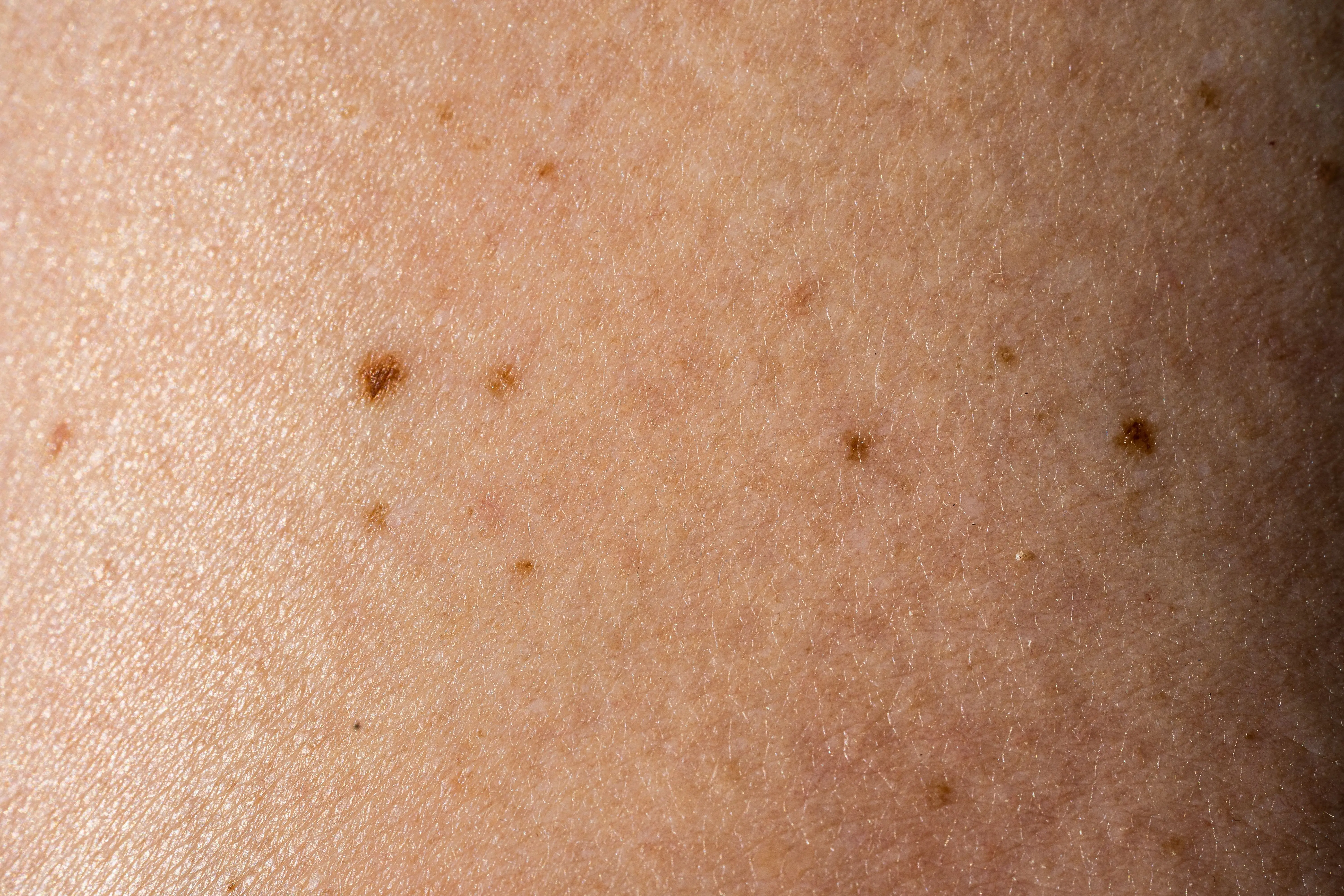
Skin cancer can be deadly, but early detection through self-exams can prevent complications. Use the ABCDE rule to check for unusual moles or spots:
- A – Asymmetry: Healthy moles are usually symmetrical. If one half of a mole does not match the other, it could be a warning sign.
- B – Borders: A benign mole has smooth, even edges. Watch for moles with irregular, jagged, or blurred edges.
- C – Color: Normal moles are usually a single shade. Be cautious if a mole has multiple colors such as black, brown, red, white, or blue.
- D – Diameter: Moles larger than 6mm (about the size of a pencil eraser) are more likely to be concerning.
- E – Evolving: Any mole that changes over time in size, shape, or color, or develops new symptoms such as itching or bleeding, should be checked by a doctor.
Check Your Skin Monthly
- Use a mirror for hard-to-see areas.
- Have a partner check your back and scalp.
- If you notice changes, see a dermatologist immediately. Early detection can save lives.
4. Oral Cancer: Self-Exam
Oral cancer can develop on the tongue, lips, gums, or inside the cheeks, making regular self-exams essential for early detection.
How to Check for Oral Cancer
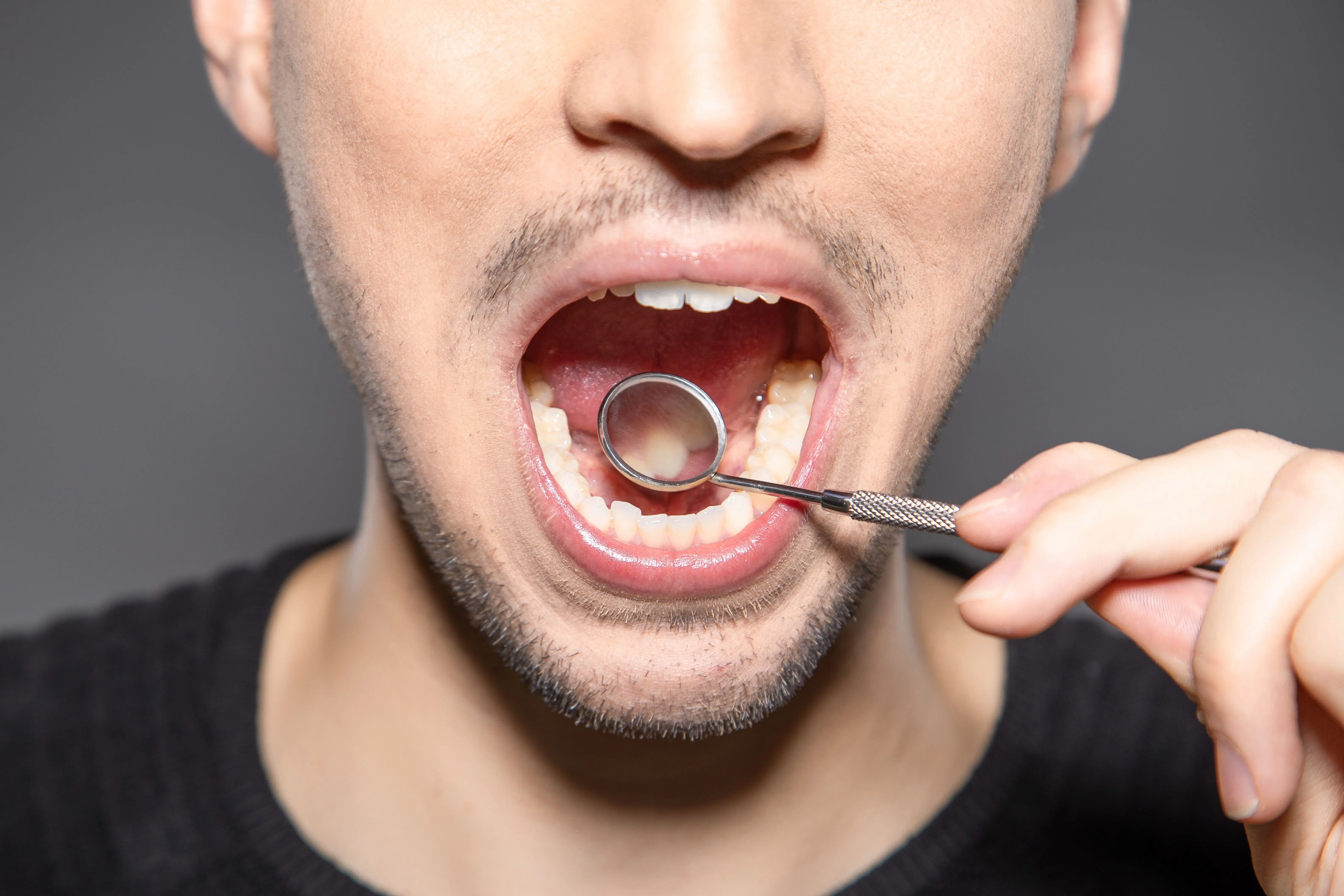
- Examine your mouth in good lighting, using a mirror.
- Look for sores that do not heal after two weeks.
- Check for white or red patches on gums, tongue, cheeks, or the roof of the mouth.
- Feel for lumps or swelling in the mouth, jaw, or neck.
- Check for persistent pain or numbness in the mouth.
- Observe any difficulty in swallowing, speaking, or moving the tongue or jaw.
- If you experience a persistent sore throat, hoarseness, or ear pain, consult a doctor.
When to See a Doctor
If you notice any unusual changes in your mouth that persist for more than two weeks, schedule an appointment with a healthcare professional for further evaluation.
Why Self-Exams Matter
Regular self-exams can lead to early diagnosis and higher survival rates. If you notice any unusual changes, schedule an appointment with a healthcare provider. Early detection saves lives—stay proactive about your health!
Make self-exams a habit. Your health is in your hands!
Comments